
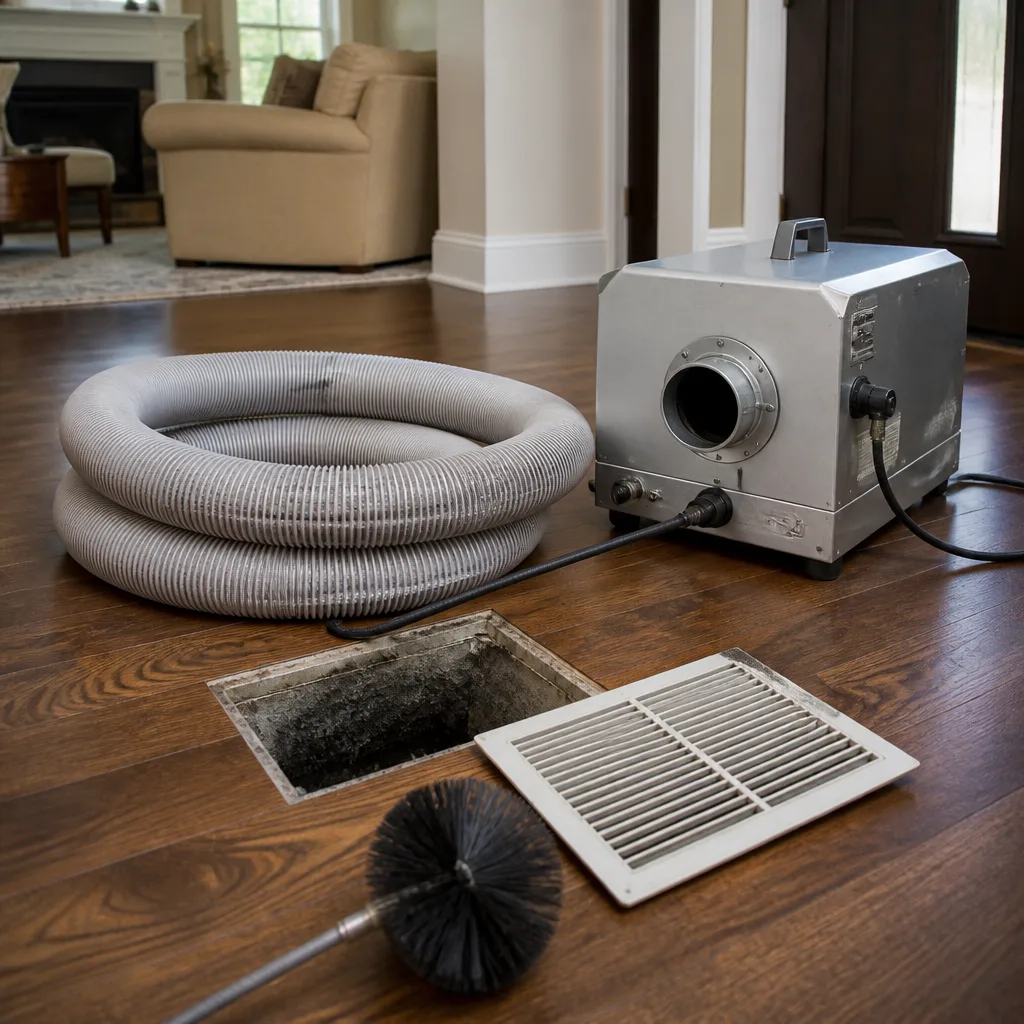
 Whole-home duct cleaning
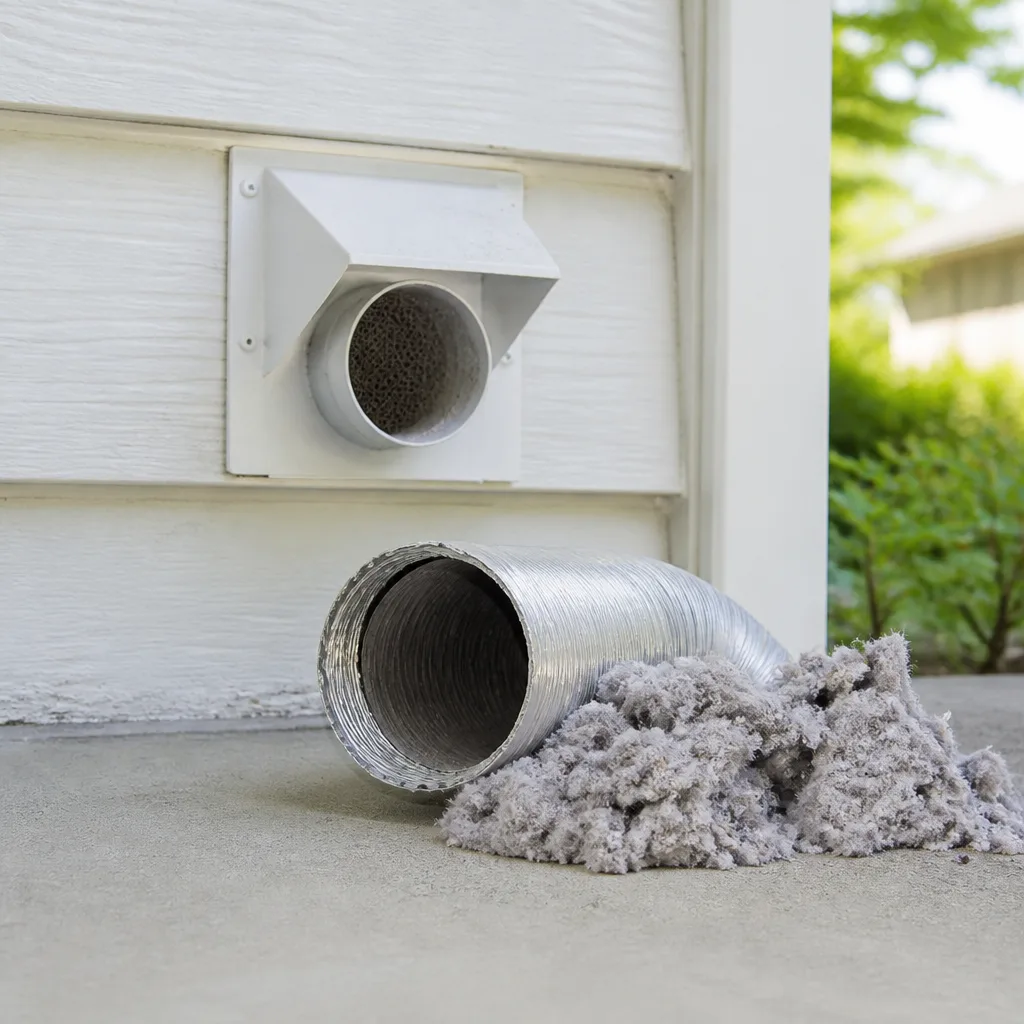 Dryer vent cleaning
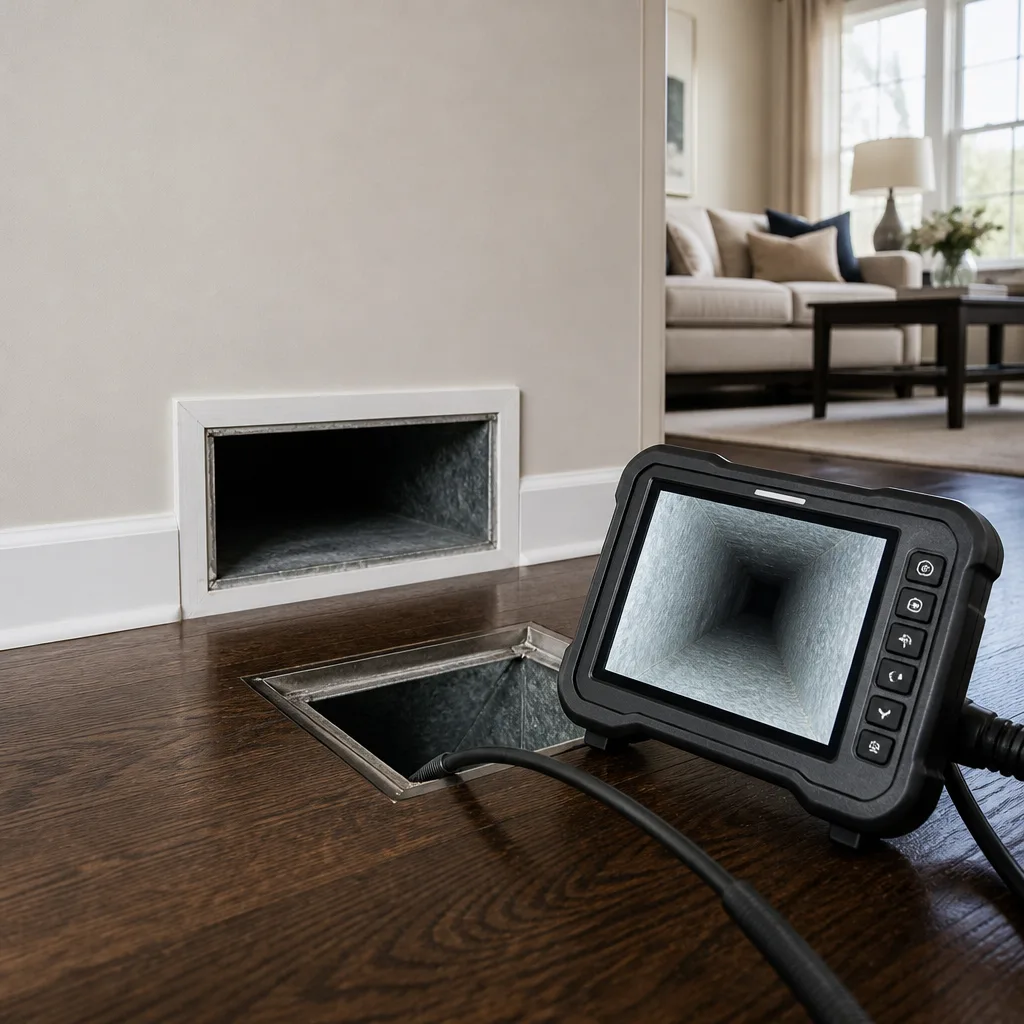 Camera inspection
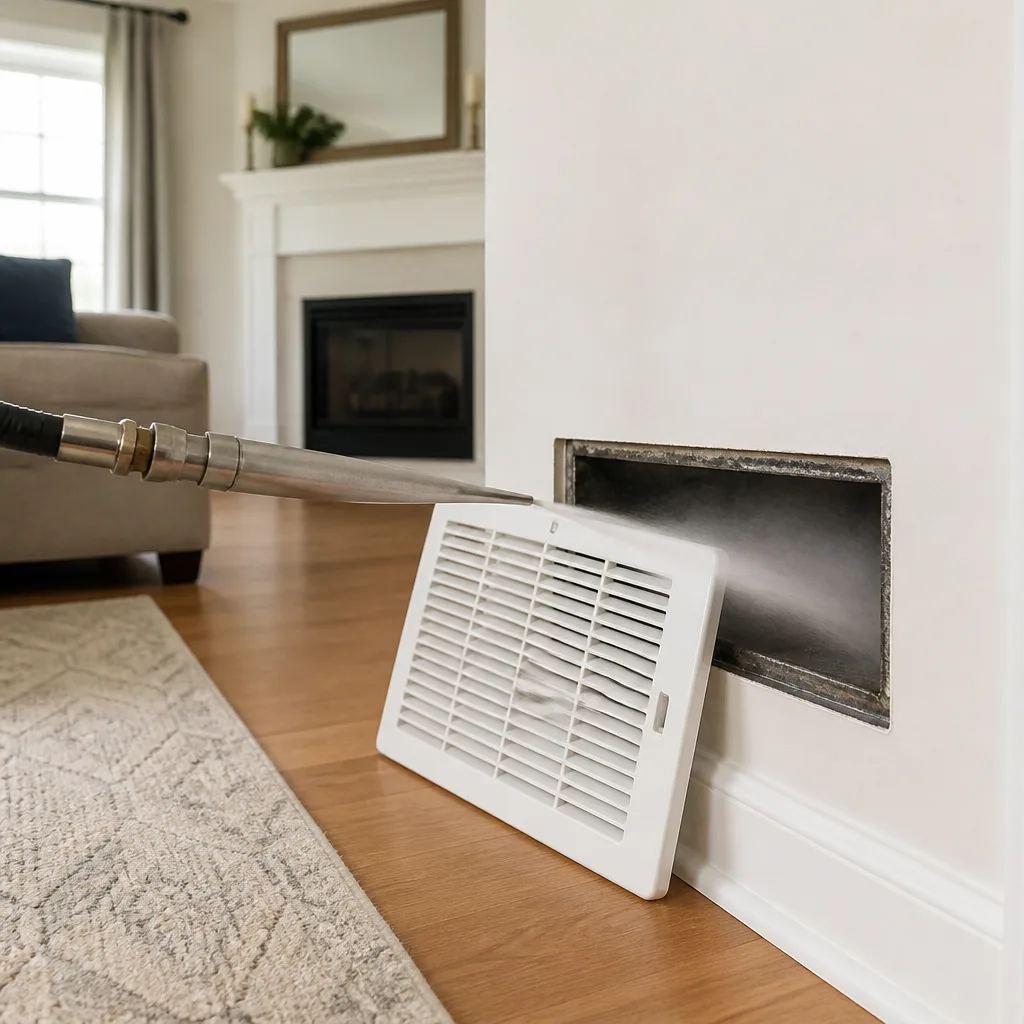 Sanitizing & deodorizing
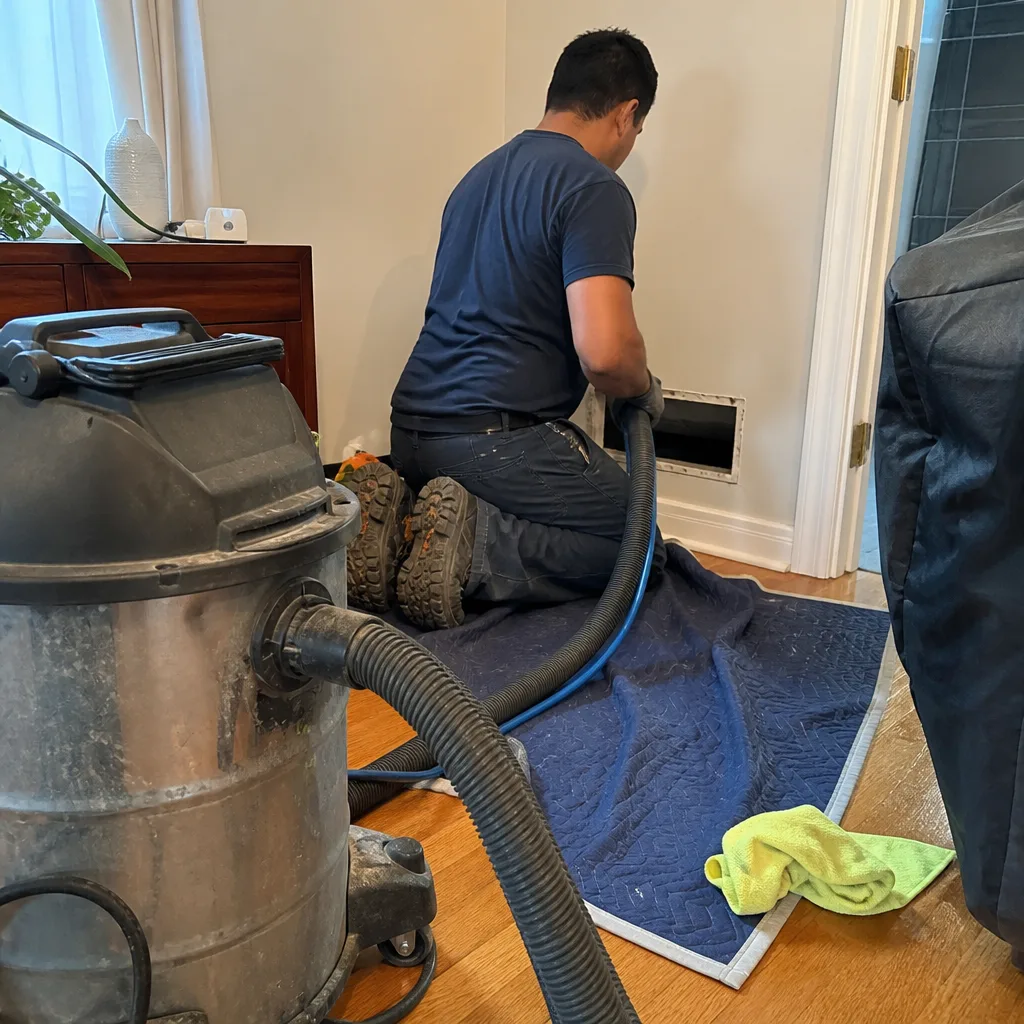
Whole-system duct and dryer vent check with before-and-after photos - you see exactly what came out of your vents
That "$99 whole-house special" is a bait ad - the real number appears once they are in your hallway, or the "clean" is a shop-vac at the register. We photograph the inside of your ducts before and after instead.
Rotobrush Coil Cleaning: The Queens Owner’s Guide
We stock and install Rotobrush-compatible coil cleaning components for most residential Rotobrush AiR+ and R2 series systems, with typical installed costs running $210 to $390 in Queens depending on the specific part and your model. Most replacements are done the same visit once we confirm what you have. The usual story we hear from Queens homeowners starts the same way: the unit powers on, the suction feels weak, and there’s a metallic rattle that wasn’t there before. Then they open the unit and find the coil caked with dust or the brush bristles worn down to nubs.
Which Rotobrush Models This Applies To
Rotobrush coil cleaning sits at the heart of how their duct cleaning systems work. The coil, a spiral-wound brush that spins inside the vacuum hose, is what actually dislodges debris from duct walls while negative pressure pulls it back to the collection canister. It isn’t a filter and it isn’t an attachment – it’s the working end of the entire machine.
There are three things to check before you order anything. First, the model plate on your unit: AiR+ units built after 2018 use a different coil mounting system than the older R2 series, and the two are not interchangeable. Second, measure the coil’s outside diameter with a tape measure. Third, look for the Rotobrush part number stamped on the coil’s end cap. If the number’s worn off, send us a photo of the coil next to a ruler and we can usually identify it in under ten minutes. We stock OEM Rotobrush coils for current models and quality aftermarket equivalents where they hold up to the same spec. For older R2 units that Rotobrush no longer supports, aftermarket is often the only option, and we’ll tell you honestly which ones are worth buying and which aren’t. Lennox, Trane, and Carrier parts show up in our shop too, but Rotobrush is what we carry most because it’s what most Queens air duct cleaning crews run.
Styles & brands we work with
Signs Your Rotobrush Coil Cleaning Is Failing
- Weak suction at the hose end. When coil bristles wear down, the spinning action stops scouring the duct walls and the system can’t pull debris effectively. You’ll feel it first as less resistance when you push the hose into the ductwork.
- Metallic scraping or clicking during operation. A bent coil shaft or a failed bearing in the coil assembly will produce a rhythmic scrape as the brush spins. This isn’t a sound that goes away on its own.
- Visible bristle loss or flat spots. Hold the coil up to a light. If the bristles are clumped, missing in patches, or bent flat against the shaft, you’ve lost most of the cleaning surface. In Queens, where so much older housing stock has decades of fine dust packed into returns, a flat coil simply pushes debris around instead of lifting it.
- Excessive heat at the coil housing. A worn bearing or a coil that’s out of round creates friction, which means heat. If the housing near the coil feels hot after five minutes of use, stop and inspect it. Continuing to run a failing bearing can score the shaft and turn a $250 coil replacement into a $600 assembly job.
- Uneven cleaning results. Callbacks where one section of the duct cleans well and another doesn’t usually trace back to coil wear. The coil loses diameter unevenly, so it only makes contact on one side. In mixed-use buildings in Flushing, where duct runs are longer than typical single-family homes, this shows up fast.
See the difference
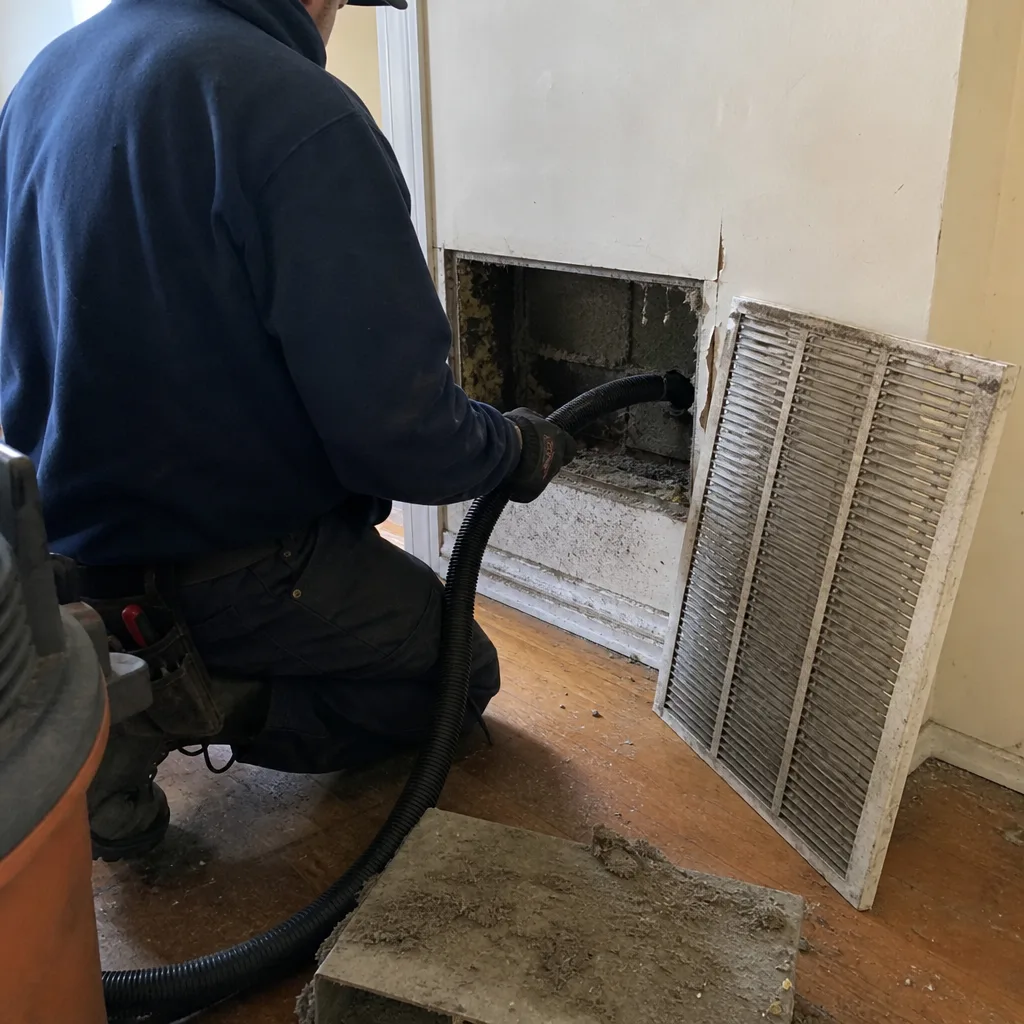 Before
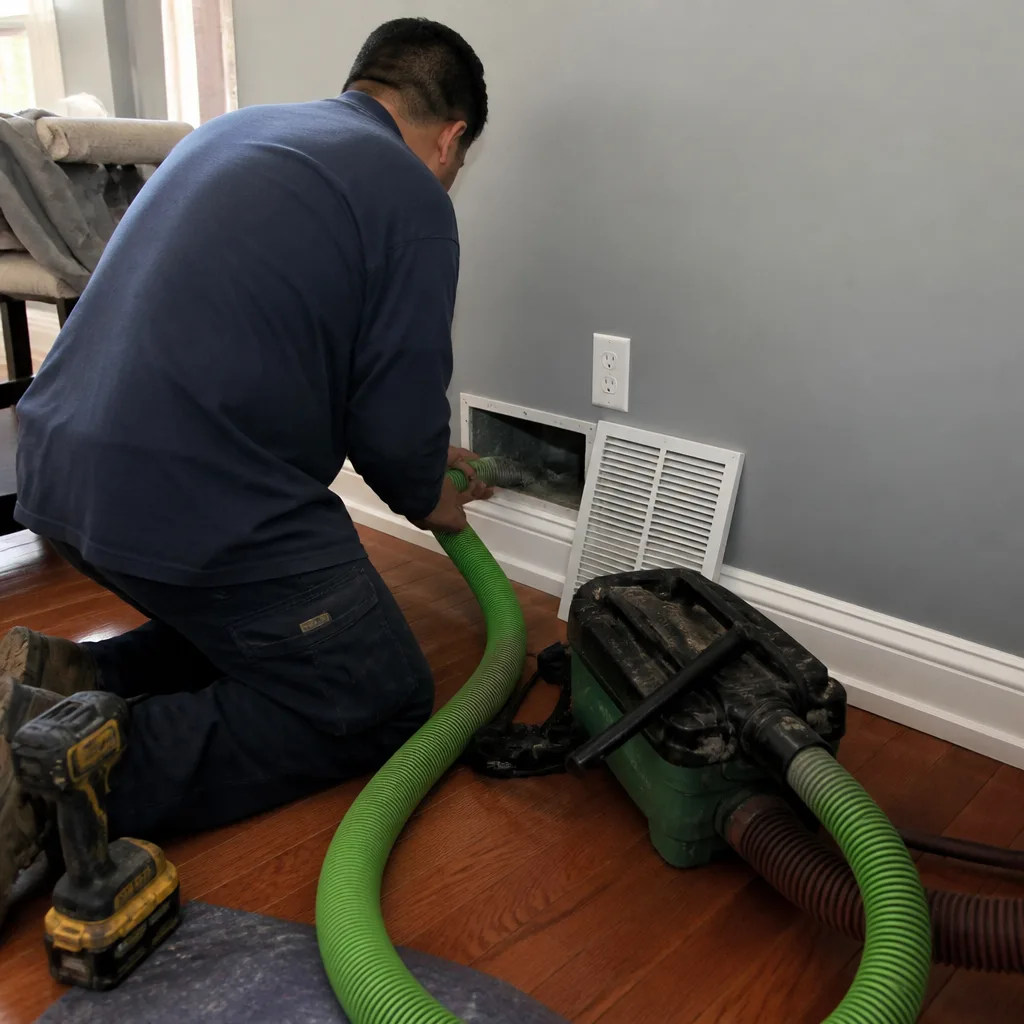 After
After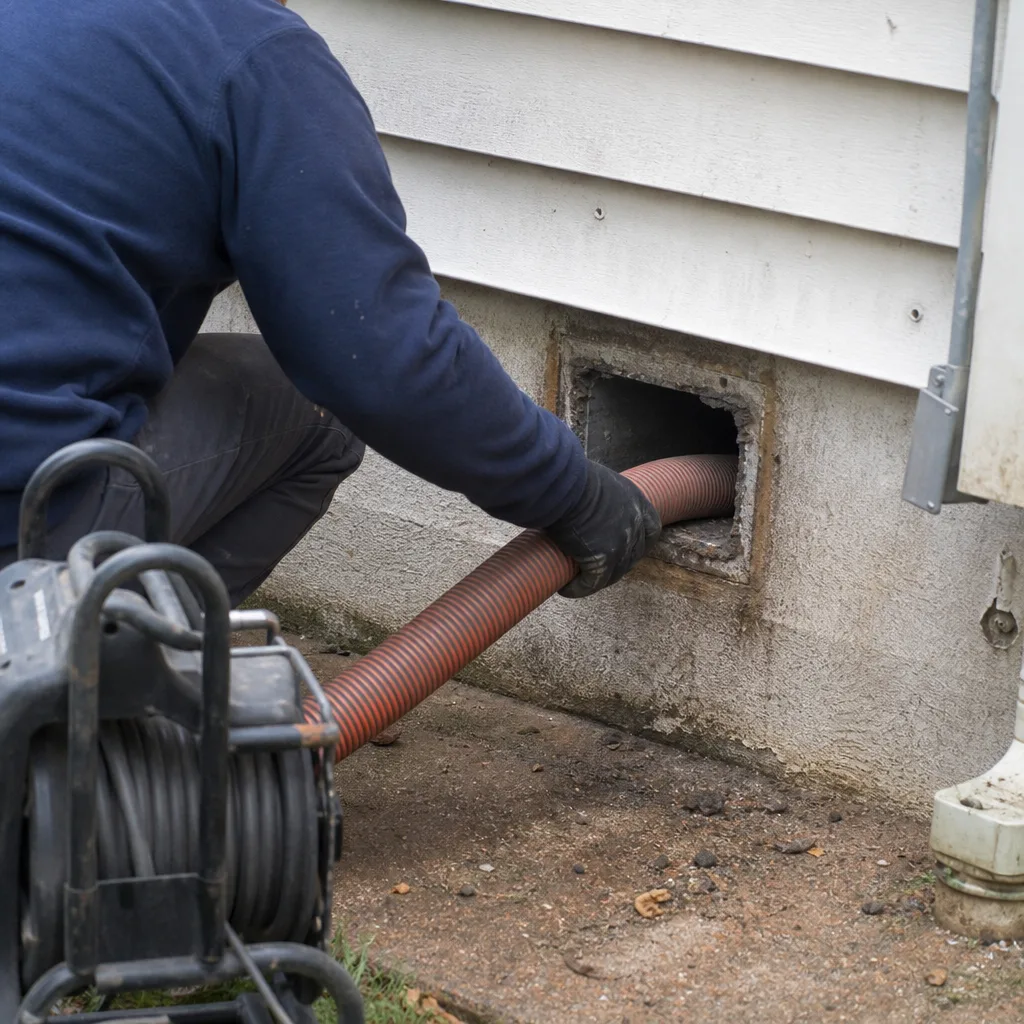 Before
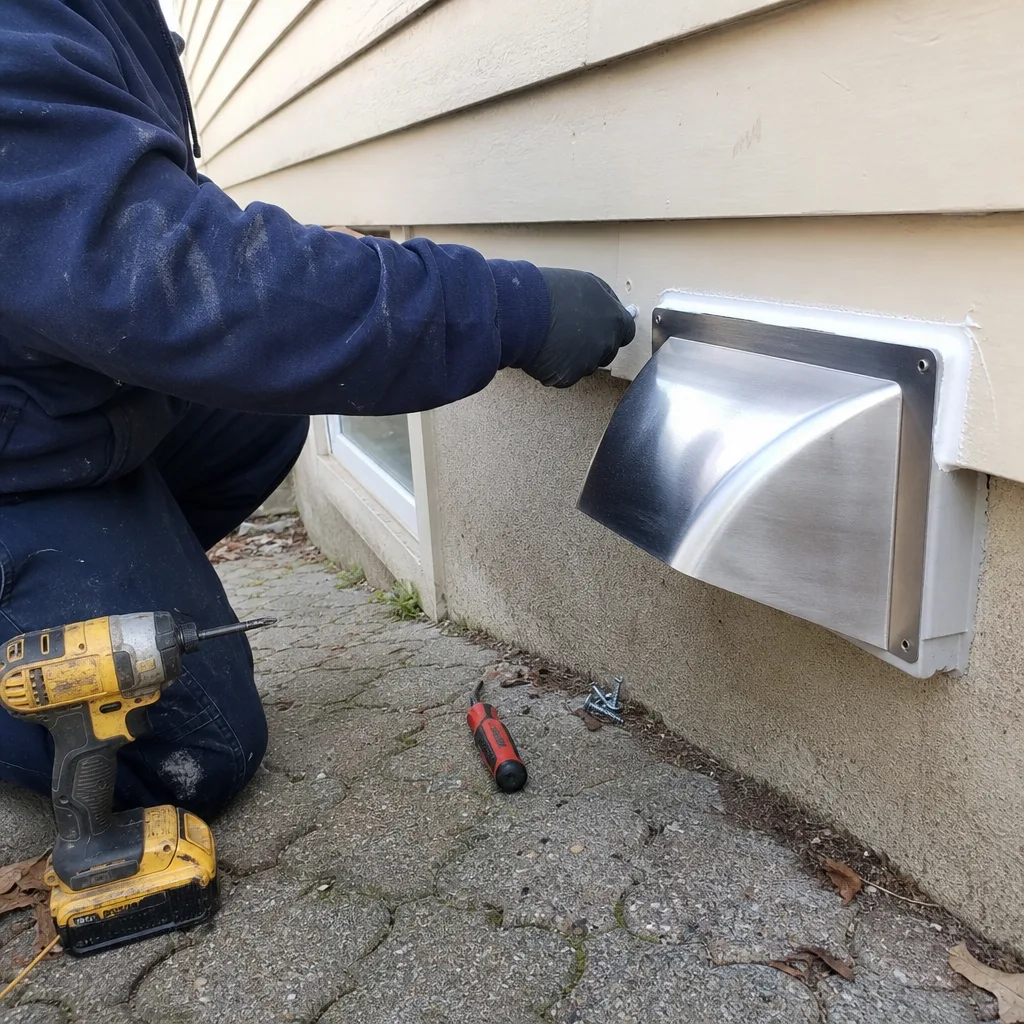 After
After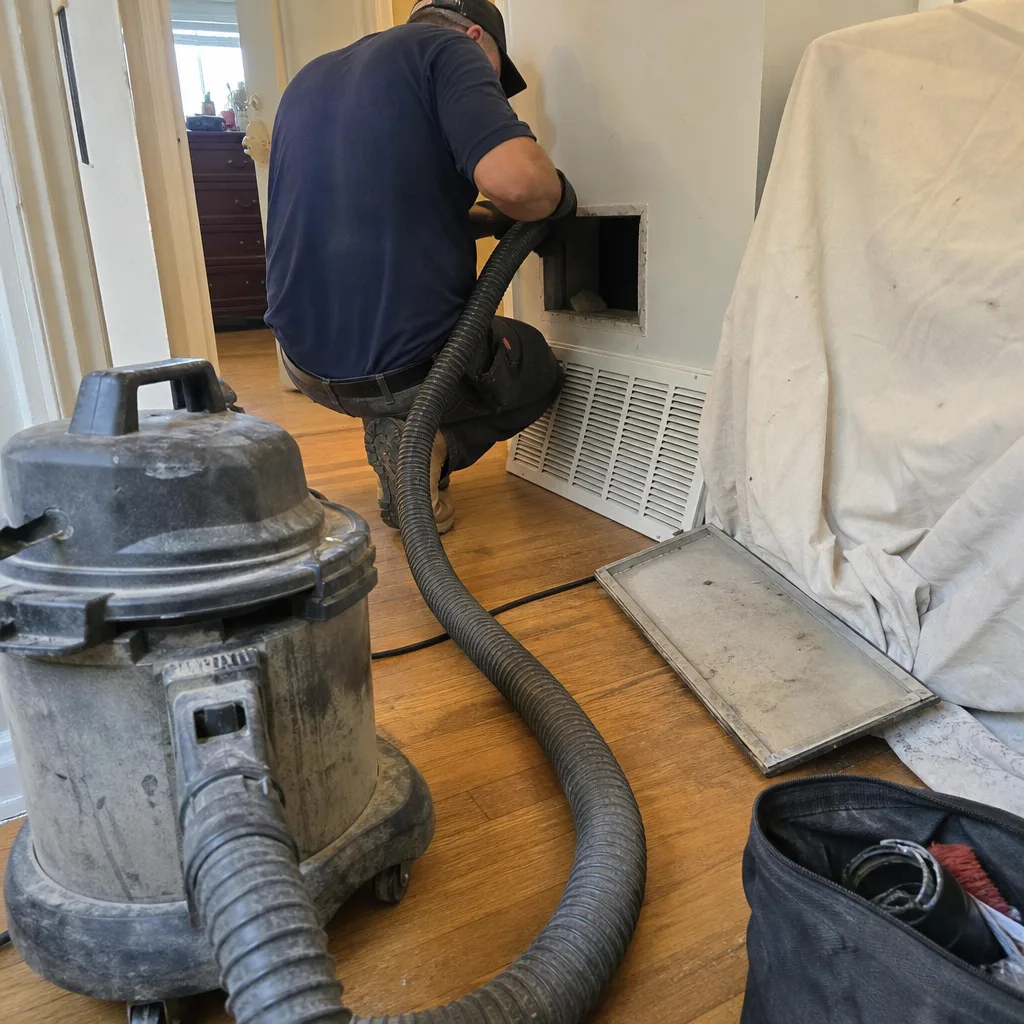 Before
 After
AfterReplacement Cost & What’s Included
Installed coil replacement in Queens typically runs $210 to $390. That range covers the part itself, the labor to remove the old coil and install the new one, and a short test run to confirm the brush spins true and the suction holds at spec. Where you land in that range depends mostly on whether you need an OEM Rotobrush coil or an aftermarket equivalent, and whether the bearing assembly needs replacing along with the coil. We always put the full price in writing before we start, and that price doesn’t change when the job is done. If we find additional wear once we open the unit, we show you what the camera sees and get your approval before adding anything. Every coil replacement we do carries our written 365-day guarantee: if the coil fails or the install doesn’t hold within a year, we return and make it right at no charge.
DIY or Call Us?
Rotobrush coil replacement looks straightforward, and for a homeowner with basic mechanical experience, it can be. Removing the old coil usually means loosening three or four set screws and sliding the shaft out. What goes wrong in practice is the diagnosis. A weak suction problem is not always the coil – it can be a clogged canister filter, a cracked hose, or a motor running under spec. If you replace the coil and the system still underperforms, you’ve spent $150 to $300 without fixing anything. The other common DIY mistake is installing an aftermarket coil with the wrong wire diameter, which can scratch duct interiors or throw debris instead of capturing it. If you’re not sure what you’re looking at, call us at (845) 237-0925 and describe the symptom. We’ll help you figure out if the coil is actually the problem before anyone spends a dollar.
FAQs
A Rotobrush coil typically lasts 18 to 30 months of regular residential use, but Queens conditions shorten that window when crews run on older systems with heavy debris loads. High humidity during summer months accelerates corrosion on the coil shaft if the unit isn’t dried after use. If you’re running three to four jobs a week in prewar buildings, expect to replace coils closer to the 18-month mark.
No. The bristles are fused into the central shaft during manufacturing, and re-bristling a worn coil is not something Rotobrush supports or any reputable shop offers. Once the bristles lose their stiffness or the shaft is out of round, replacement is the only real fix.
A typical Rotobrush coil replacement takes 30 to 45 minutes from unboxing to test run. If the bearing assembly needs to be swapped as well, plan for 60 to 75 minutes. We’ll give you a specific time window when we confirm your part.
We stock coils for the AiR+ series and the most common R2 configurations on our trucks and in our Queens shop. Obsolete R2 coils usually take two to three business days to source. Call (845) 237-0925 with your model number and part number if you have it, and we’ll tell you on the spot whether your coil is in stock. The duct doesn’t lie, and neither do we. If we don’t have it, we’ll say so and tell you exactly when it arrives.
If your Rotobrush unit is down or losing performance, call (845) 237-0925 for a straight answer on the part, the price, and when we can have you running again. Marcus Veale and the crew at Linden Air Duct Queens handle this every week, and we’ll walk you through what we find before, during, and after the job.
Written by Marcus Veale, Owner, Linden Air Duct Queens at Linden Air Duct Queens, serving Queens and nearby areas.