
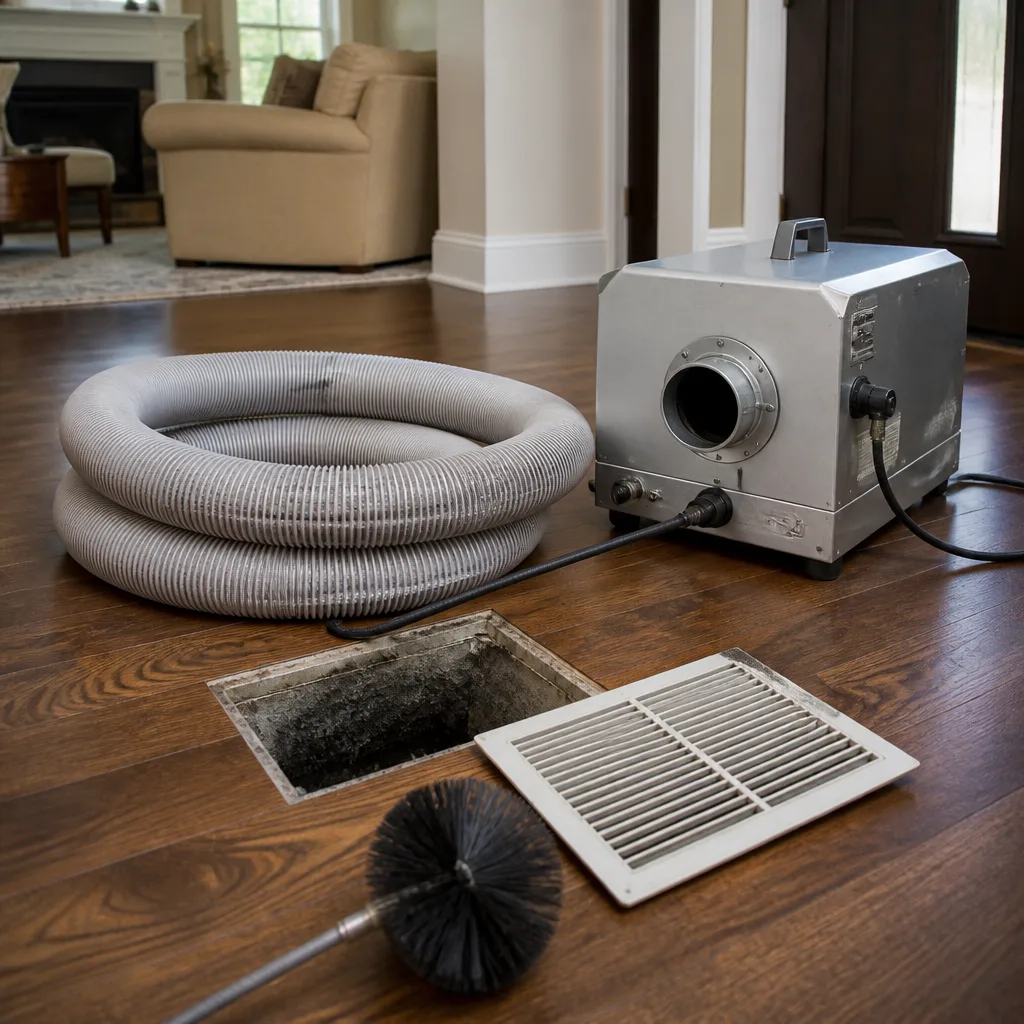
 Whole-home duct cleaning
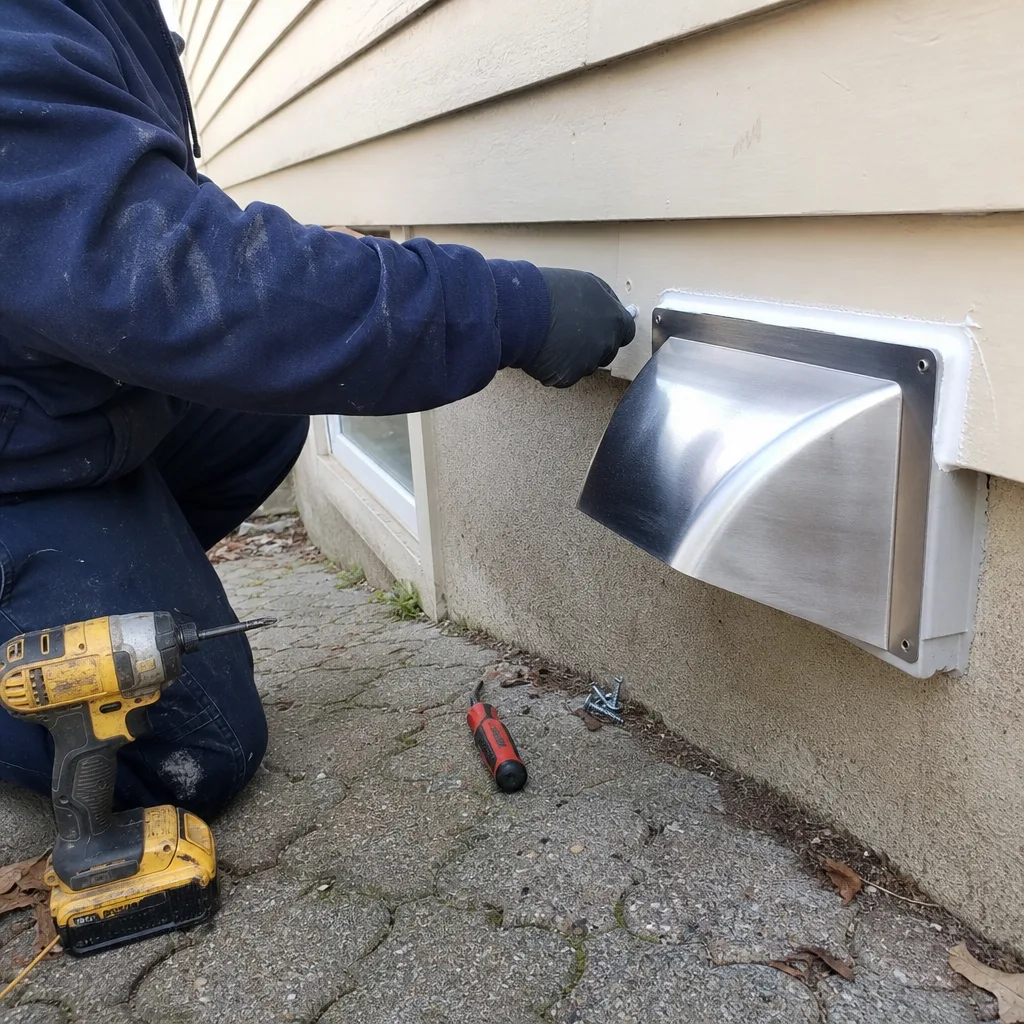
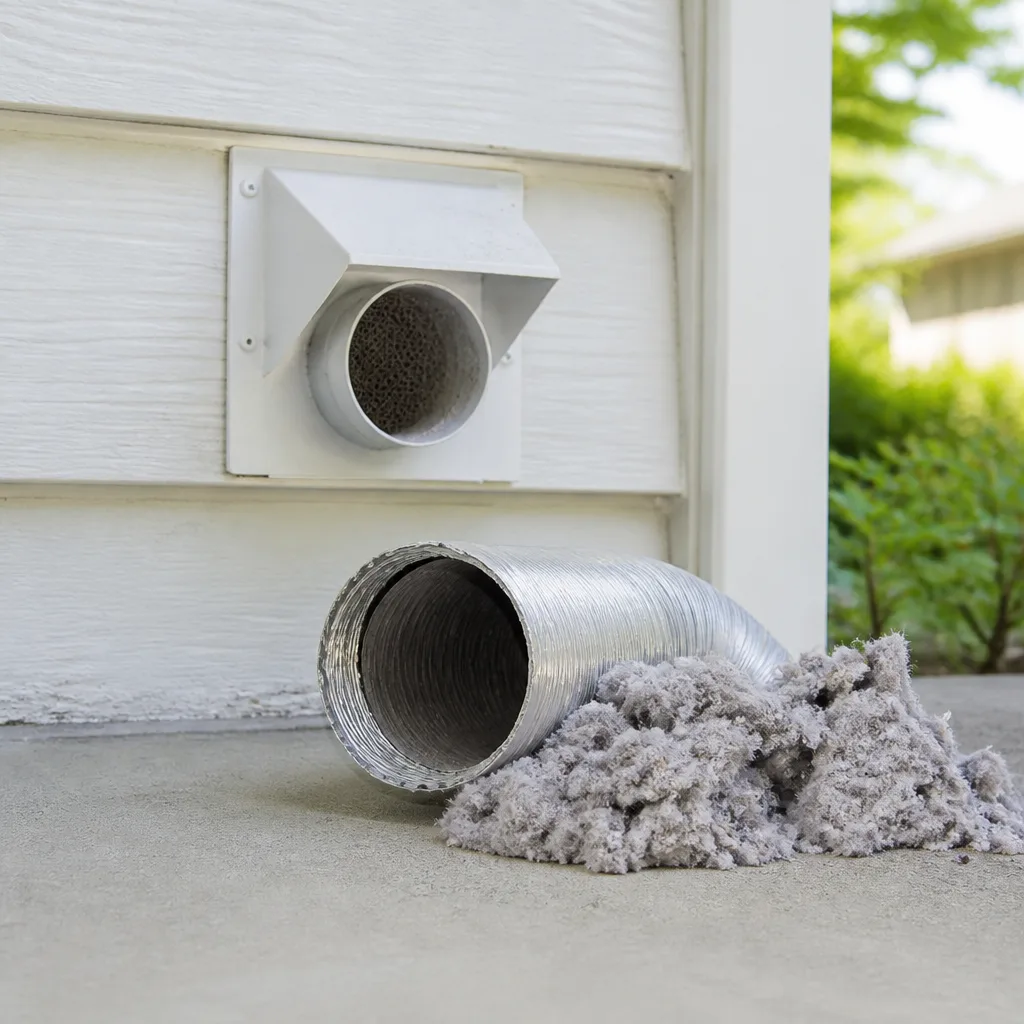 Dryer vent cleaning
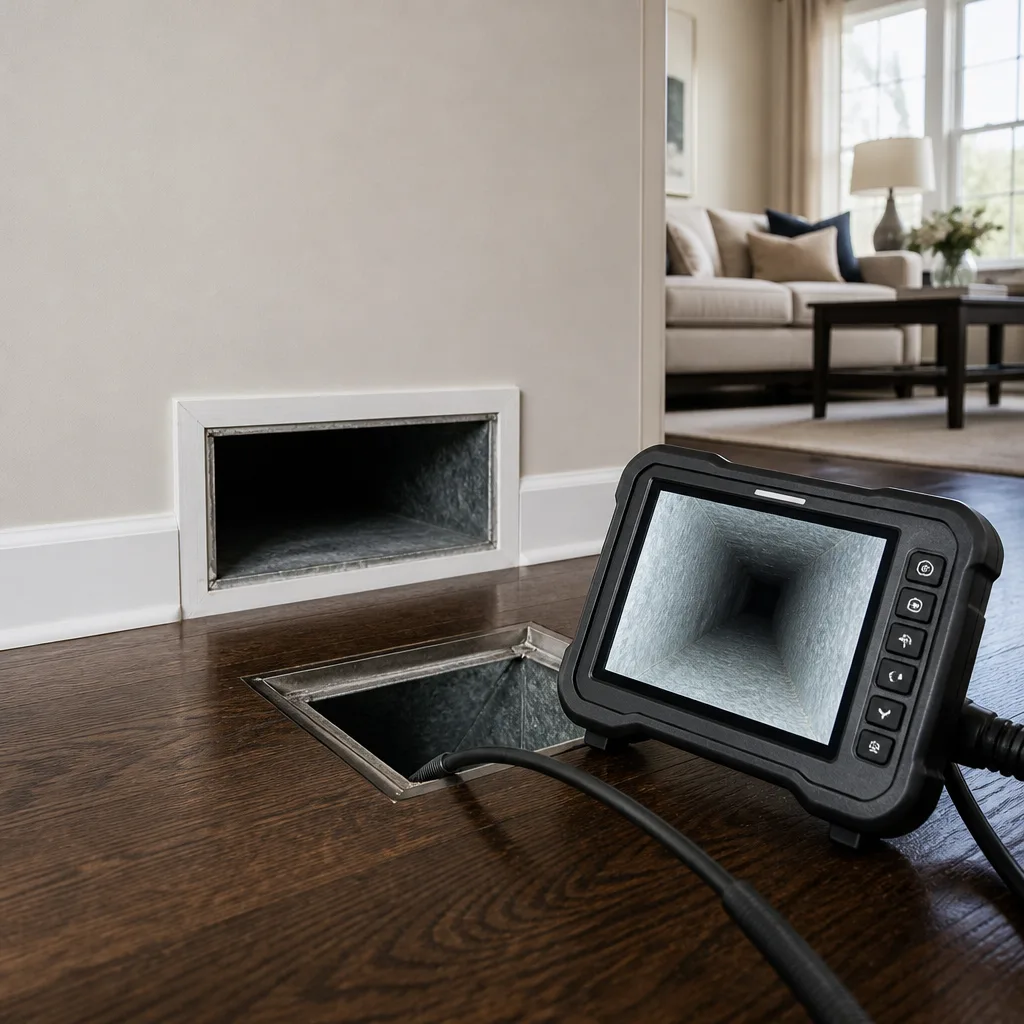 Camera inspection
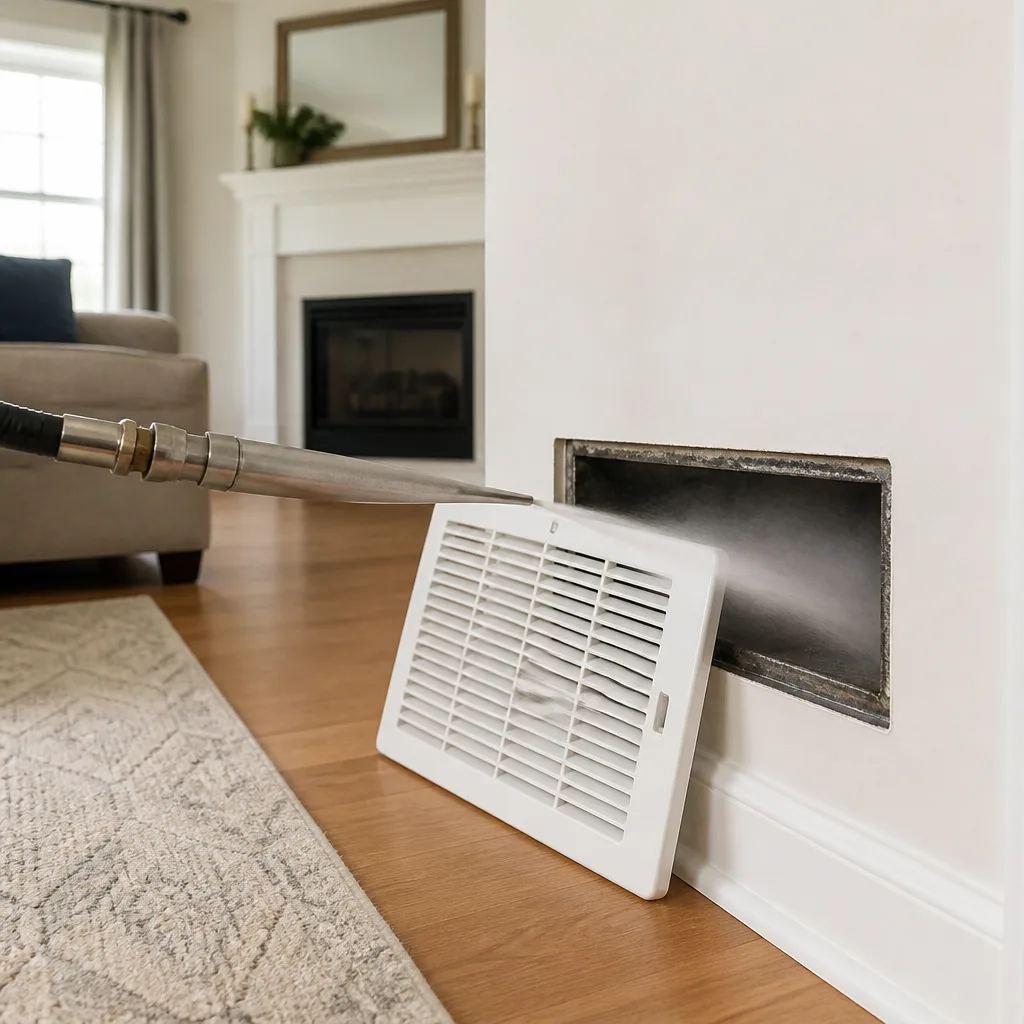 Sanitizing & deodorizing
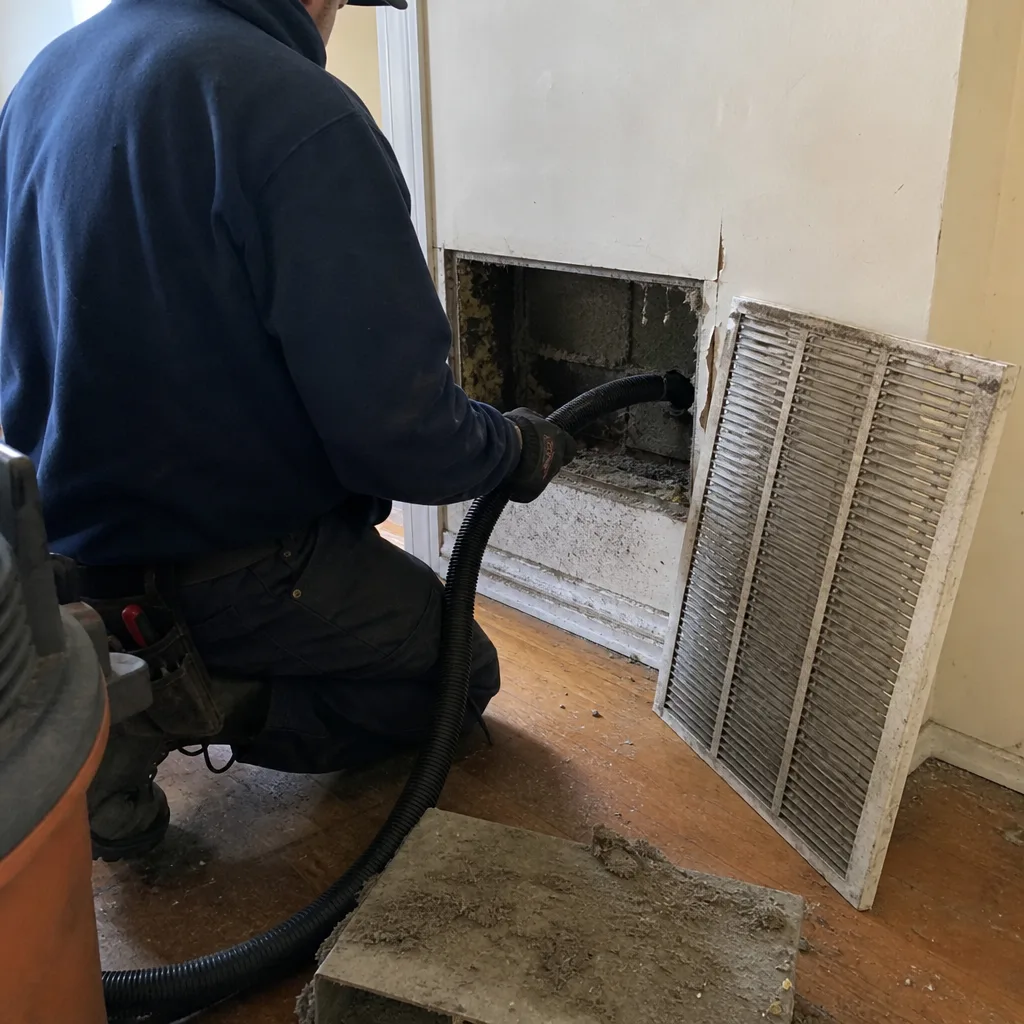
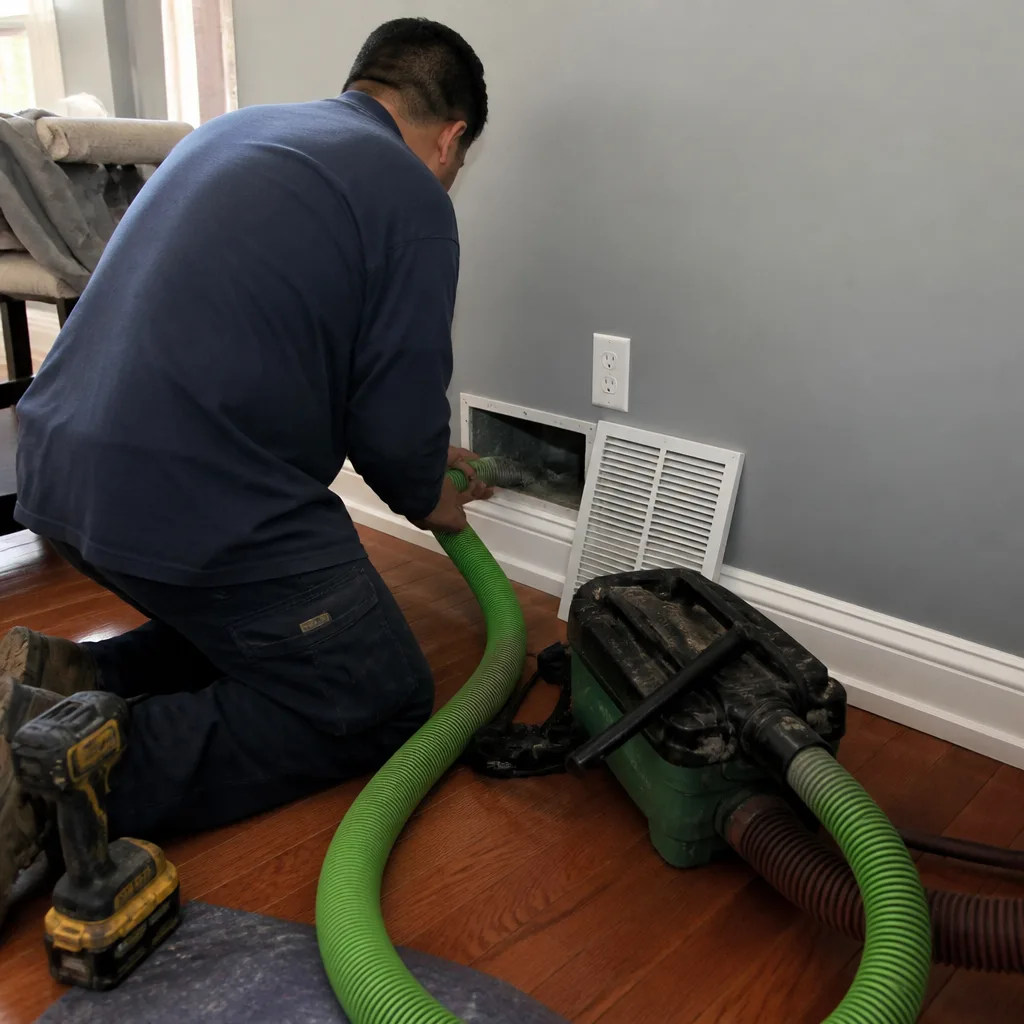
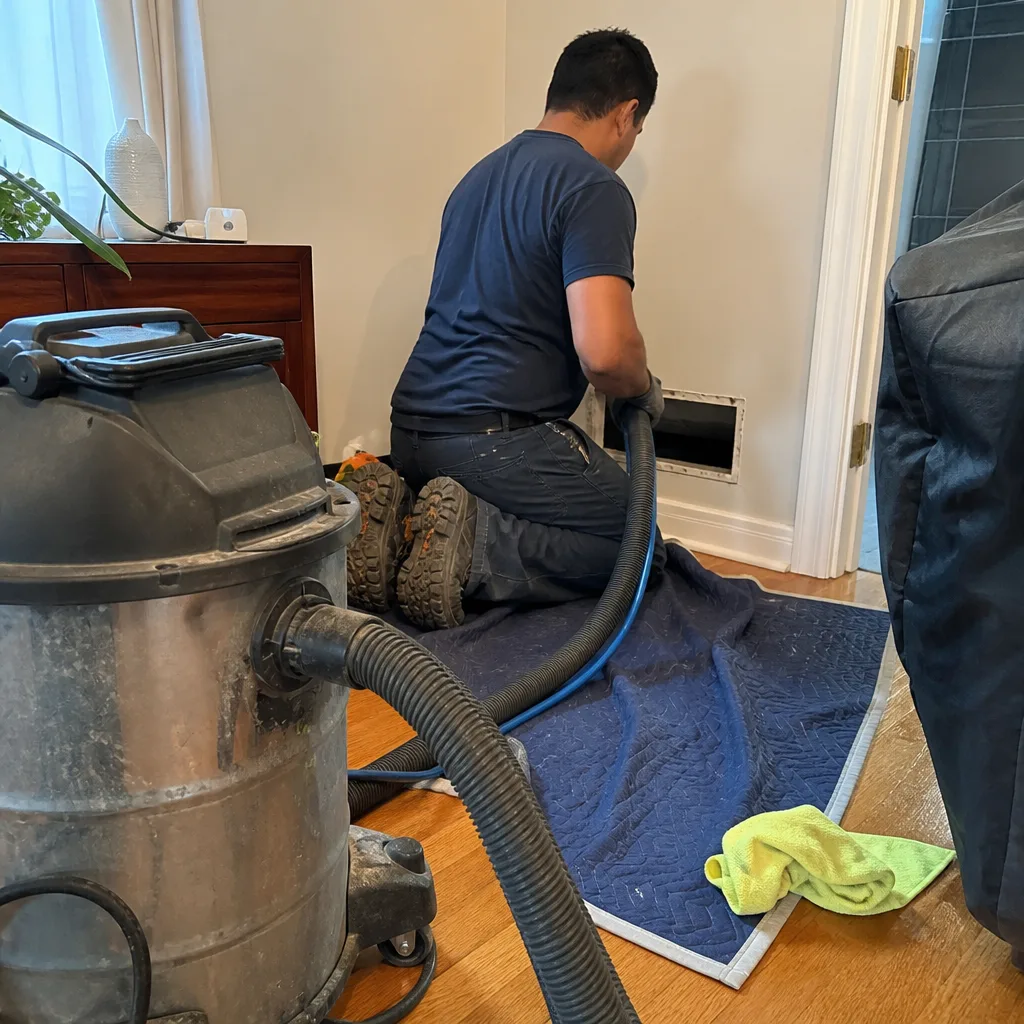
Whole-system duct and dryer vent check with before-and-after photos - you see exactly what came out of your vents
That "$99 whole-house special" is a bait ad - the real number appears once they are in your hallway, or the "clean" is a shop-vac at the register. We photograph the inside of your ducts before and after instead.
Honeywell Coil Cleaning: The Queens Owner’s Guide
Linden Air Duct Queens stocks and installs Honeywell-compatible coil cleaning for residential HVAC systems throughout Queens, with typical whole-system coil cleaning priced between $180 and $420 depending on coil accessibility and build-up severity. Most Queens homeowners discover they need coil cleaning when their system starts short-cycling in July, energy bills climb, or the air coming from the vents doesn’t feel as cold as it should. The evaporator coil sits inside your air handler, and after two or three years of pulling Queens air across it, that coil is coated in a film of dust, cooking grease, pet dander, and whatever else floats through your return ducts. That film is an insulator, and an insulated coil can’t pull heat out of your home efficiently.
This page covers exactly what Honeywell coil cleaning involves, what it costs in Queens, how to tell if your coil is the problem, and whether you should attempt it yourself. We are an independent service provider and not affiliated with Honeywell, but we work with Honeywell air-quality products regularly and know their coil configurations well.
Which Honeywell Models This Applies To
Honeywell doesn’t manufacture evaporator coils directly; rather, Honeywell-branded thermostats, zoning controls, and air treatment systems are paired with coils made by the major HVAC manufacturers. What that means on the ground is this: the coil in your Queens home is almost certainly a Trane, Carrier, Lennox, or Goodman unit, controlled by a Honeywell thermostat, zone board, or IAQ module. Our coil cleaning covers all of those pairings. We also stock parts for Lennox, Trane, and Carrier systems when a dirty coil has led to a failed component downstream.
The compatibility check that matters is not the Honeywell model number on your thermostat; it’s the coil’s physical dimensions and fin spacing. Coils in Queens apartments and attached homes tend to be compact, often 14 to 17 inches wide, with 12 to 14 fins per inch. Match the wrong cleaning approach to a tight fin pack and you bend fins, crush the coil face, or leave chemical residue that corrodes the aluminum over time. Our techs measure fin spacing and coil depth before touching anything. We also check the coil’s age: pre-2010 coils often used thinner copper tubing that is more fragile under aggressive cleaning. On those older Queens systems, we use a gentler approach and a reduced-pressure rinse. Newer all-aluminum coils can take a standard negative-pressure extraction with a biodegradable foaming cleaner.
Styles & brands we work with
Signs Your Honeywell Coil Cleaning Is Failing
- Reduced cooling with no change in thermostat behavior. The system runs constantly but the house never reaches the set temperature. The coil is insulated with a layer of grime, so the refrigerant inside can’t absorb heat from the air passing over it. In Queens, this shows up hardest in mid-summer, when demand spikes and undersized coils are already working at their limit.
- Higher electric bills with the same usage pattern. A dirty coil forces the compressor to run longer cycles. We regularly see Queens customers with 20 to 30 percent summer bill increases before they realize the coil is the culprit. The math is straightforward: more runtime equals more kilowatt-hours.
- Water pooling around the indoor unit. Condensate normally drips off the coil and down the drain pan. When the coil is fouled, condensation can freeze on the surface, then thaw and overflow. In Queens basements and closets with finished flooring, this shows up as staining or warping around the air handler.
- Ice on the coil or on the suction line outside. A heavily loaded coil restricts airflow, which drops the coil temperature below freezing. Frost forms, compounding the problem. If you see ice on the copper line at the outdoor unit on a warm day, the indoor coil is likely starving for air.
- Persistent musty or dirty-sock smell when the blower runs. Trapped organic matter on a damp coil breeds bacteria and mold. That smell is the coil telling you it has been wet and dirty long enough for biology to take hold. In humid Queens summers, this happens faster than most homeowners expect.
See the difference
 Before
 After
After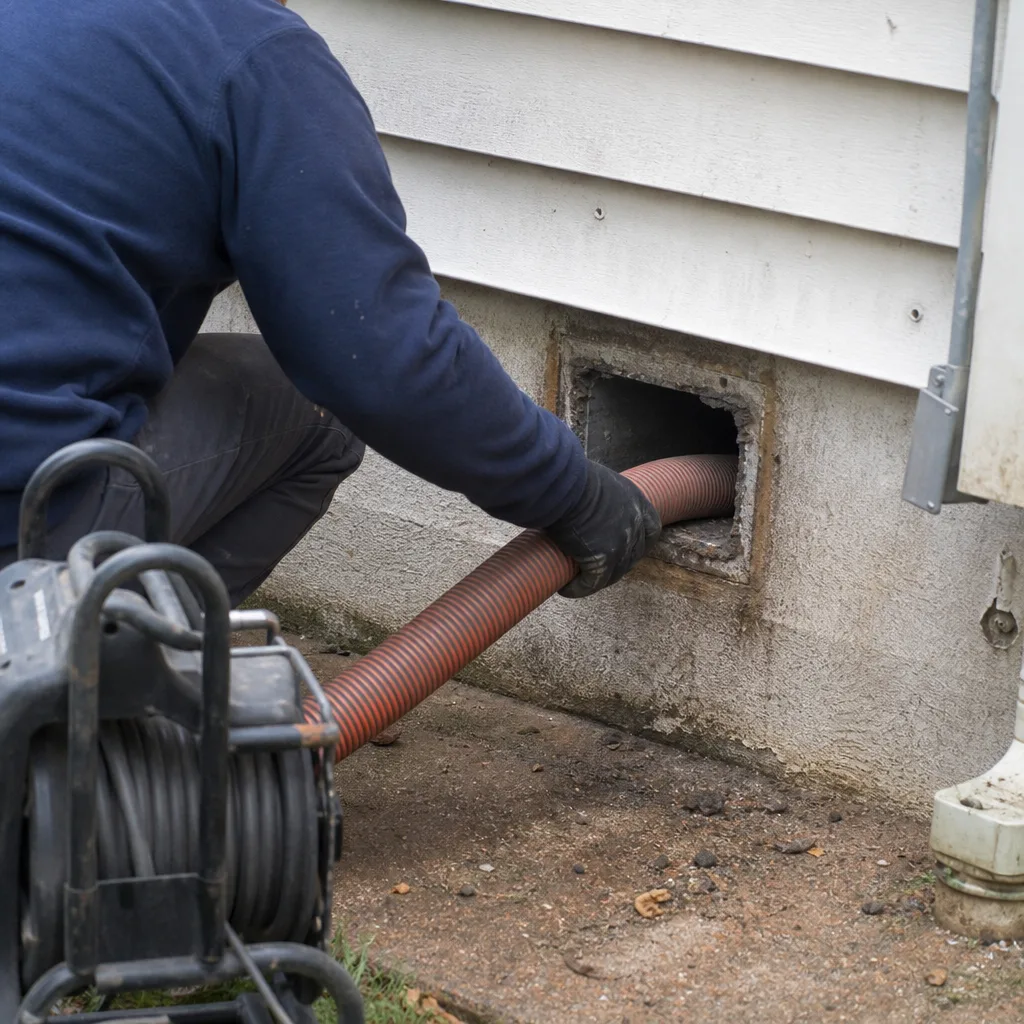 Before
 After
After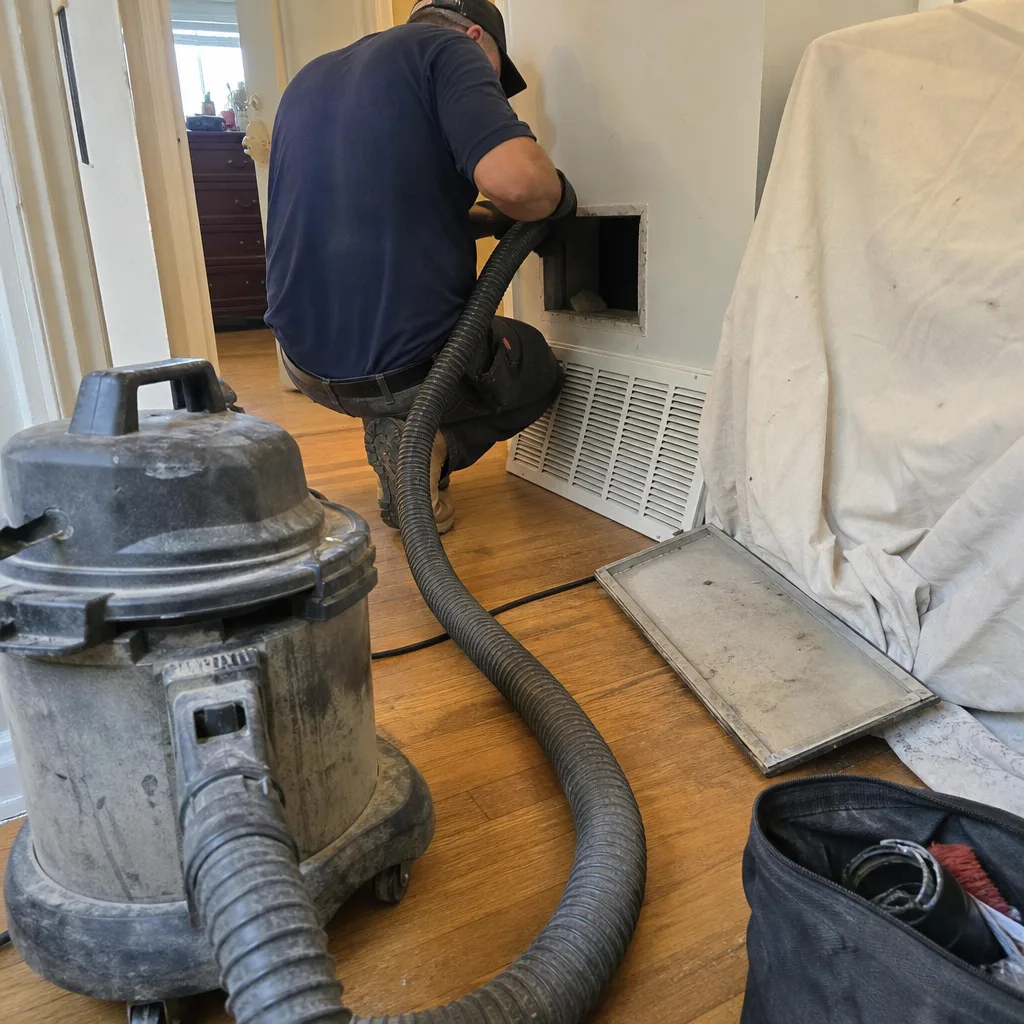 Before
 After
AfterReplacement Cost & What’s Included
Whole-system evaporator coil cleaning in Queens typically runs $180 to $420. The low end applies to a standard upflow or horizontal coil with easy access, about a 90-minute job using negative-pressure extraction and a mild foaming cleaner. The high end applies to coils in tight Queens closets or basements where we have to disassemble sheet-metal plenums to reach the coil face, or coils with heavy grease build-up from years of cooking without adequate filtration. A coil that has gone untouched for a decade in a Flushing apartment with a galley kitchen will cost more to clean than a three-year-old coil in a Bayside single-family home. That is not an upsell; it is simply more labor and more cleaning passes.
Every coil cleaning includes:
- A written quote before we start. The price you approve is the price you pay. No add-ons at the end of the job.
- Before-and-after photos of your coil, shown on the spot. Marcus Veale always walks customers through exactly what the camera shows. The duct doesn’t lie. Neither do I.
- A written guarantee covering the cleaning for 365 days under the Done Right Promise. If the coil re-fouls within a year due to our cleaning, we return at no charge.
- Condensate drain inspection and cleaning, because a clean coil with a clogged drain will still flood your floor.
DIY or Call Us?
You can safely check a few things before you pick up the phone. Pull the filter: if it is packed with gray matting, your coil has been eating unfiltered air. Shine a flashlight into the access area and look for visible fuzz or frost. Listen for the blower running while airflow from the vents is weak; that is a classic blocked-coil symptom. What you cannot safely do is pull the coil for a deep clean. Removing a coil requires disconnecting refrigerant lines or working around them, and a wrong move there means a refrigerant leak, a compressor replacement, or a face full of R-410A. On Queens systems installed in tight closets and crawl spaces, the risk is higher still. Leave the chemical cleaning, fin straightening, and extraction to someone with the right equipment and the right insurance. Call (845) 237-0925 for a free estimate and we’ll tell you exactly what we see.
FAQs
A professional coil cleaning on a Queens system should hold for 3 to 5 years, assuming standard 1-inch fiberglass or pleated filters are changed every 60 to 90 days. Homes near the Van Wyck, BQE, or LIE will see faster re-fouling because of diesel soot and brake dust. Homes with shedding pets or frequent frying also re-foul sooner. We recommend re-inspection at year three.
Cleaning is the repair. A dirty coil is not broken; it is obstructed. The fix is removing the obstruction. Where we do see “repair” language get used is when damage exists on top of the dirt: bent fins, corroded tubing, or pinhole leaks from years of acidic condensate sitting on grime. Those require fin combing, welding, or outright coil replacement, and we will always show you the damage on camera before doing anything. Call (845) 237-0925 and we can walk you through what we typically find.
Most residential coil cleanings in Queens take 90 minutes to three hours on site. The wildcard is access: if we need to cut and re-fabricate sheet-metal plenums to reach the coil, add an hour. If the coil requires multiple chemical dwell cycles to break down baked-on grease, add another half hour. We give you a time window and a written price before the work begins.
Yes. Our trucks carry biodegradable foaming coil cleaners, alkaline and acidic options for different build-up types, fin combs, coil brushes, and negative-pressure extraction equipment from Rotobrush and Nikro. We also carry
Honeywell air-quality products, including replacement media filters and UV treatment systems, so if we find the coil damage is tied to poor filtration, we can correct the root cause in the same visit.
Usually, yes. The smell comes from organic matter decomposing on a damp coil surface. Removing that matter and applying an EPA-registered antimicrobial agent kills the odor at the source. But if the smell persists after cleaning, the problem is likely in the ductwork itself, and that requires duct cleaning. We handle both, and we will tell you which one you actually need. Call (845) 237-0925 for an honest answer.
Written by Marcus Veale, Owner, Linden Air Duct Queens at Linden Air Duct Queens, serving Queens and nearby areas.