
Last updated October 15, 2026
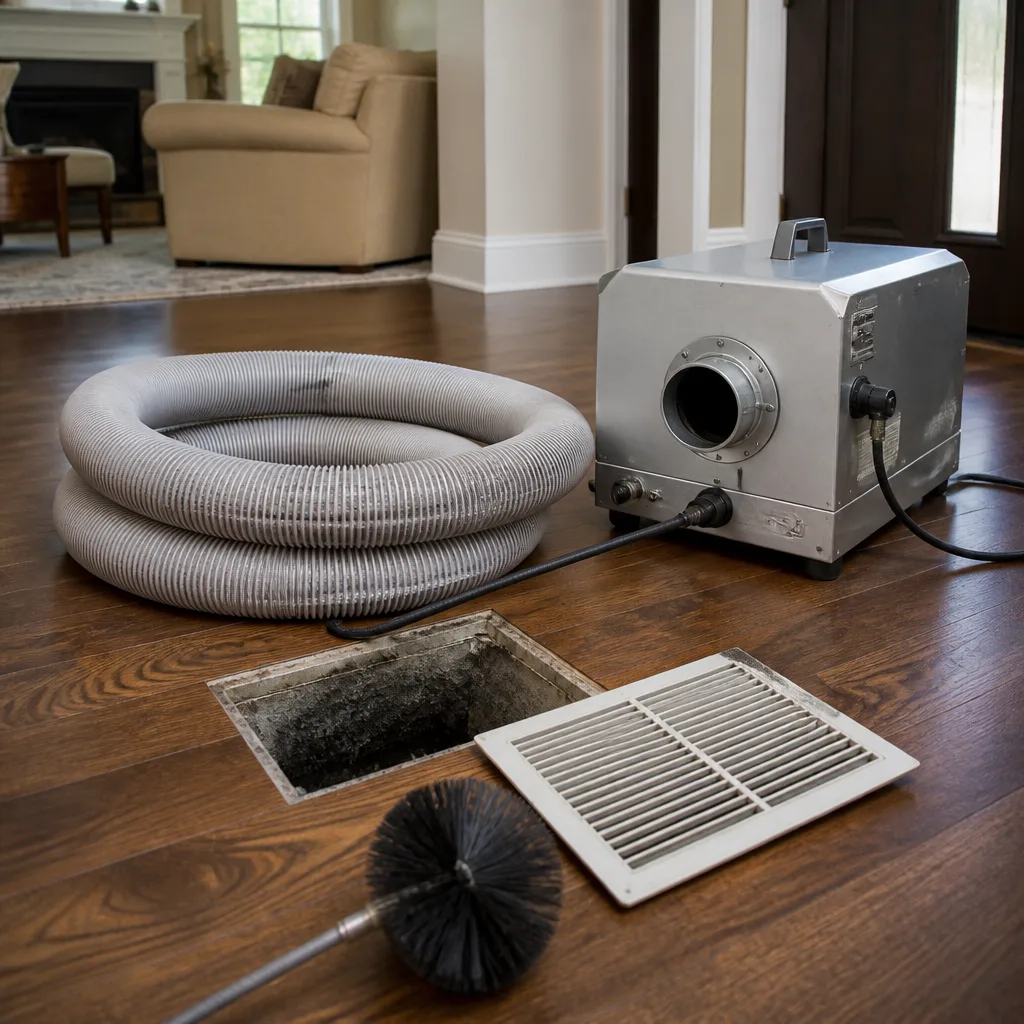 Whole-home duct cleaning
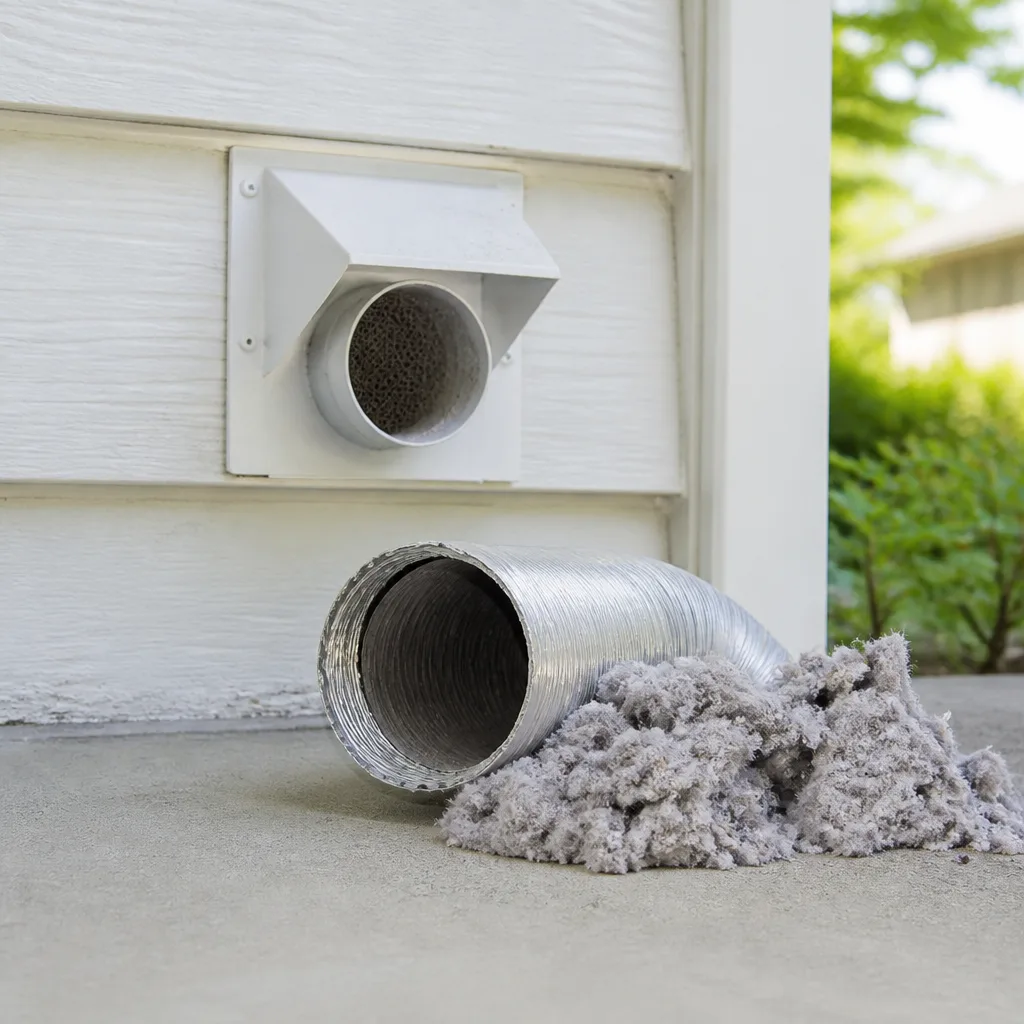 Dryer vent cleaning
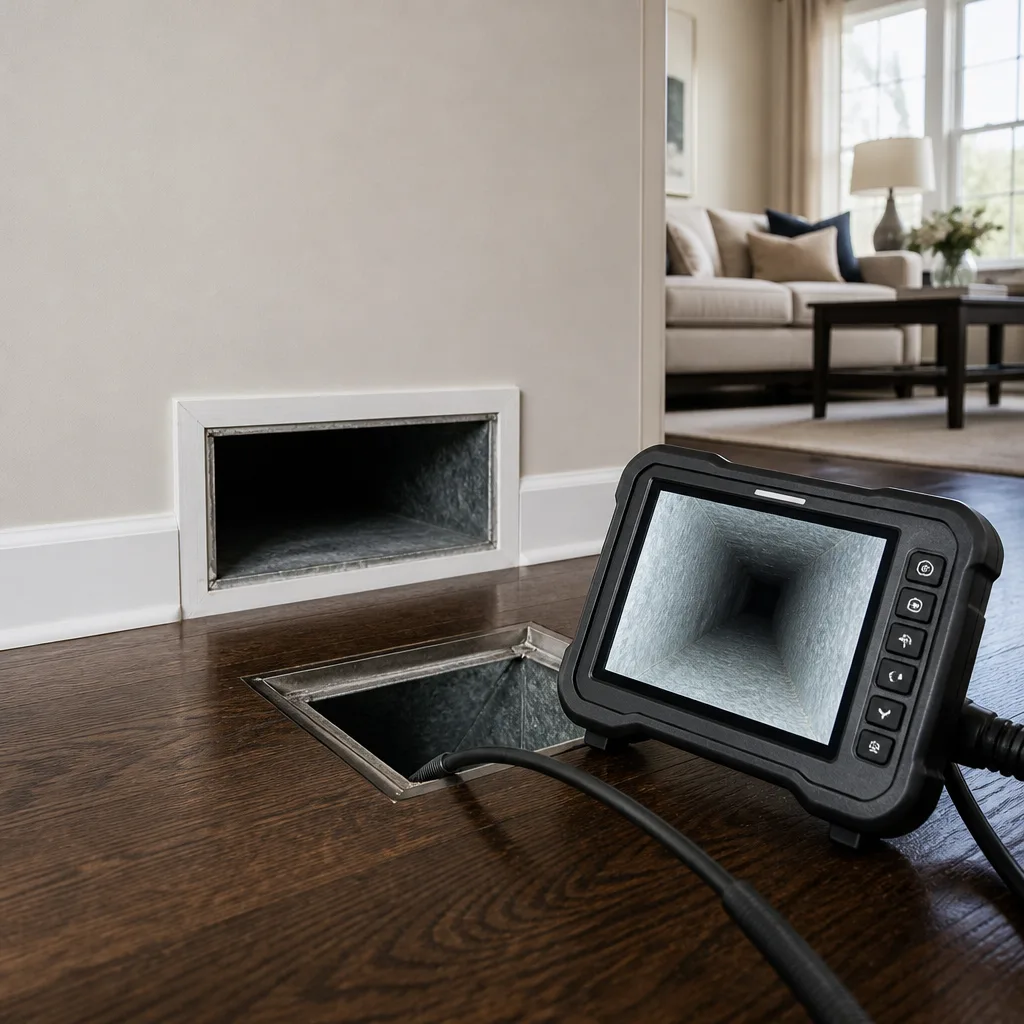 Camera inspection
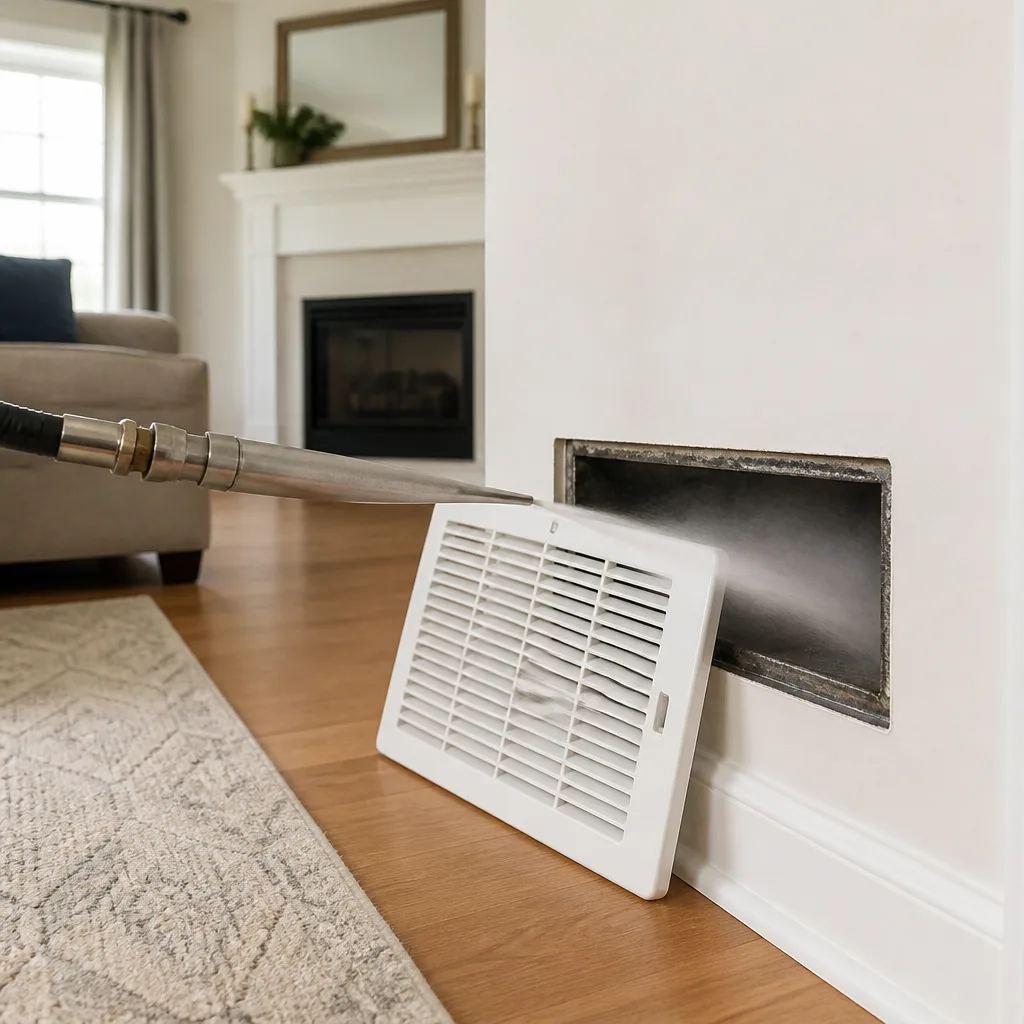 Sanitizing & deodorizing
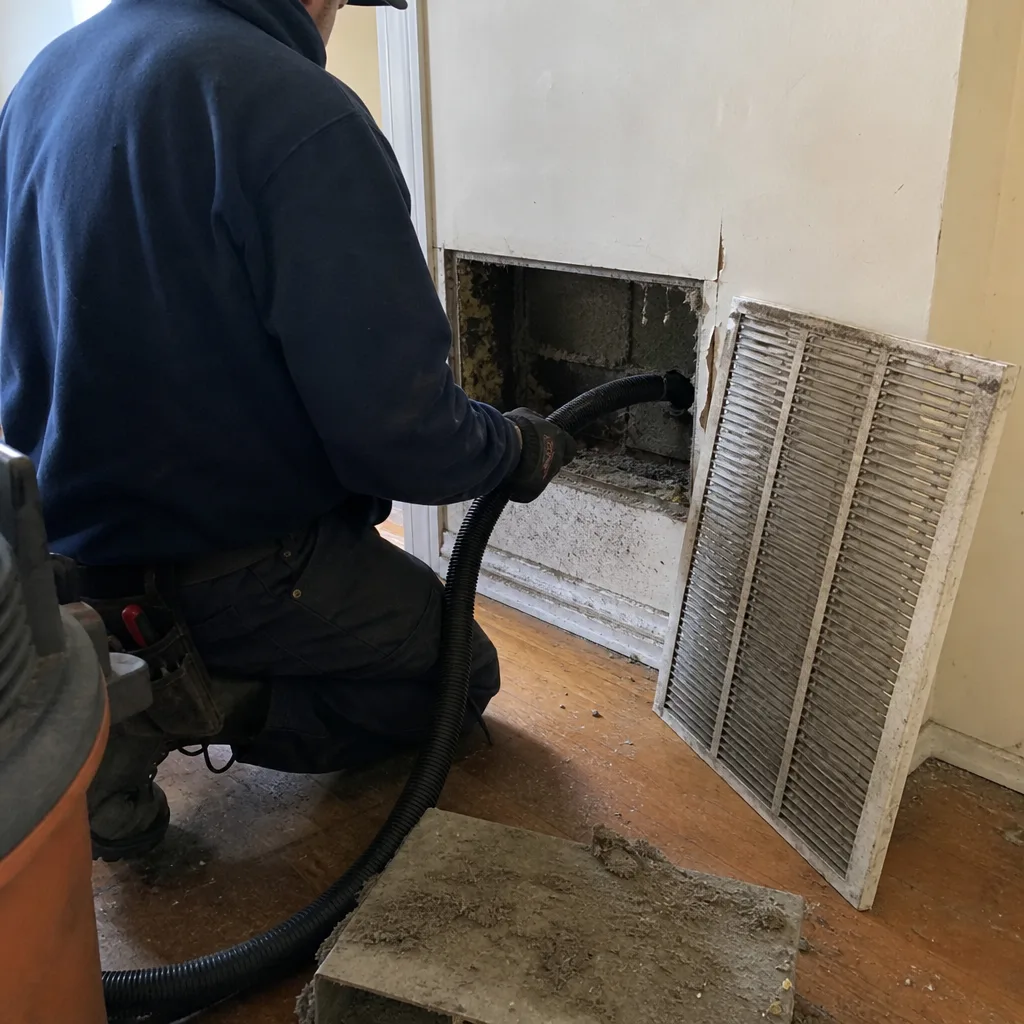
Whole-system duct and dryer vent check with before-and-after photos - you see exactly what came out of your vents
That "$99 whole-house special" is a bait ad - the real number appears once they are in your hallway, or the "clean" is a shop-vac at the register. We photograph the inside of your ducts before and after instead.
The Complete Guide to Air Duct Cleaning in Queens
Here’s what the national guides won’t tell you: cleaning ducts in a freestanding house in Phoenix and cleaning ducts in a prewar co-op in Forest Hills are not the same job. Queens has some of the densest housing stock in the country. Attached rowhouses in Ridgewood, semi-detached colonials in Bayside, co-op towers in Jackson Heights, and split-levels in Howard Beach all move air through very different systems, with different access points, different contamination risks, and different cleaning requirements. This guide is written for Queens homeowners specifically. By the time you finish, you’ll know what a complete Air Duct Cleaning actually involves, what it should cost here, how to verify the company at your door, and how to confirm the work was done after the technician leaves.
Styles & brands we work with
Quick Answer
Air duct cleaning in Queens typically costs between $450 and $900 for a complete system, depending on the number of vents, the age of the ductwork, and whether the home is an attached rowhouse, co-op, or freestanding house. A legitimate cleaning uses negative-pressure extraction with brush agitation and HEPA filtration, not just a blower pushing air through the vents. In Queens, dense housing and constant renovation activity mean ducts accumulate debris faster than national guidelines suggest – every 2 to 4 years for most homes, not the 3 to 5 you’ll see repeated on generic sites.
Table of Contents
- Why Queens Housing Makes Duct Cleaning Different
- What a Complete Air Duct Cleaning Actually Includes
- How Much Air Duct Cleaning Costs in Queens
- How Often Should Queens Homeowners Clean Their Ducts?
- How to Verify a Duct Cleaning Company Before They Enter Your Home
- How to Confirm the Work Was Actually Done
- When Cleaning Isn’t Enough: Duct Repair in Queens
- The Dryer Vent Question Every Queens Homeowner Should Ask
- Common Mistakes to Avoid
- When to Call a Professional
- Frequently Asked Questions
- The Bottom Line
Why Queens Housing Makes Duct Cleaning Different
Most air duct advice online assumes a single-family house with a basement furnace and accessible ductwork. That describes maybe a third of Queens. The rest of the borough lives in housing types that create their own specific ductwork challenges. Understanding your building type is the first step to understanding what your cleaning will actually involve.
Attached Rowhouses and Semi-Detached Homes
Neighborhoods like Ridgewood, Glendale, Woodhaven, and Maspeth are dense with attached and semi-detached homes sharing party walls. In these buildings, ductwork often runs through shared wall cavities or sits tight against a neighbor’s system. When the house next door undergoes a gut renovation, which is constant in Queens, dust and debris migrate through gaps in those shared structures and into your ducts. We’ve seen rowhouse systems in Ridgewood fill with drywall dust from the attached home’s renovation, even though our customer’s own home hadn’t had any work done in years. Suburban timelines don’t account for this because suburban homes don’t share walls.
Prewar Co-ops and Apartments
Jackson Heights, Forest Hills, Kew Gardens, and Astoria have thousands of prewar co-op buildings with original ductwork dating to the 1920s and 1930s. These buildings were sometimes retrofitted for central air decades after construction, meaning ducts were shoehorned into spaces never designed for them. Access panels may be in closets, behind kitchen cabinets, or in bathroom ceilings. In our experience, prewar co-op ductwork tends to be narrower than modern systems and holds onto debris differently, especially plaster dust from decades of wall repairs. If you own a co-op in a prewar building, confirm with your board or managing agent where the duct access points are before scheduling a cleaning. That single step saves time and avoids a technician arriving without a clear path to the system. For a full walkthrough of what our service includes, see our page on Air Duct Cleaning in Queens.
Semi-Detached Colonials and Split-Levels
Bayside, Whitestone, Little Neck, and Douglaston are home to Queens’ more suburban-feeling stock: semi-detached colonials, split-levels, and capes. These homes often have basement-level furnaces and accessible trunk lines, making them the closest to what national guides assume. But even here, Queens throws a curveball. Homes near the water, think Howard Beach, Broad Channel, and the Rockaways, deal with elevated humidity and salt air. That moisture makes dust stick to duct walls instead of blowing through, which means buildup happens faster and requires more aggressive agitation to remove.
What a Complete Air Duct Cleaning Actually Includes
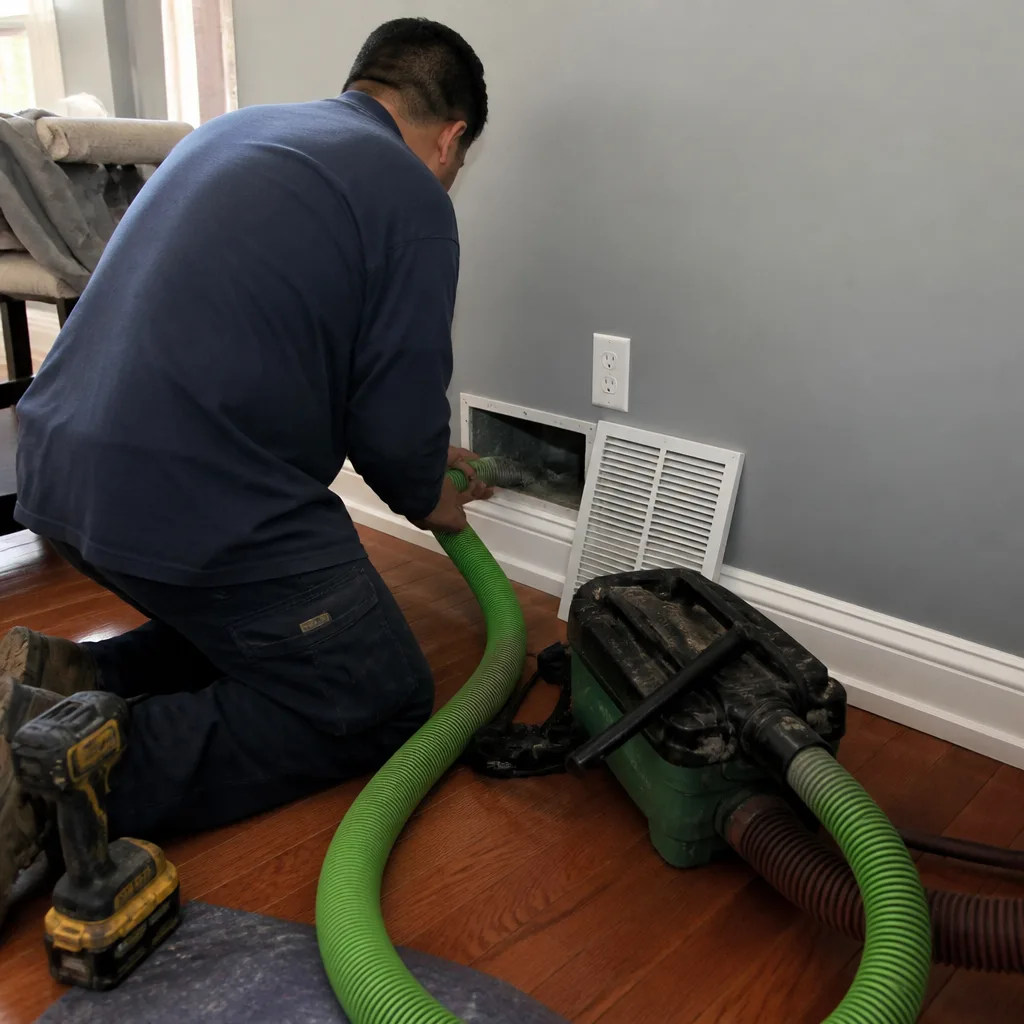
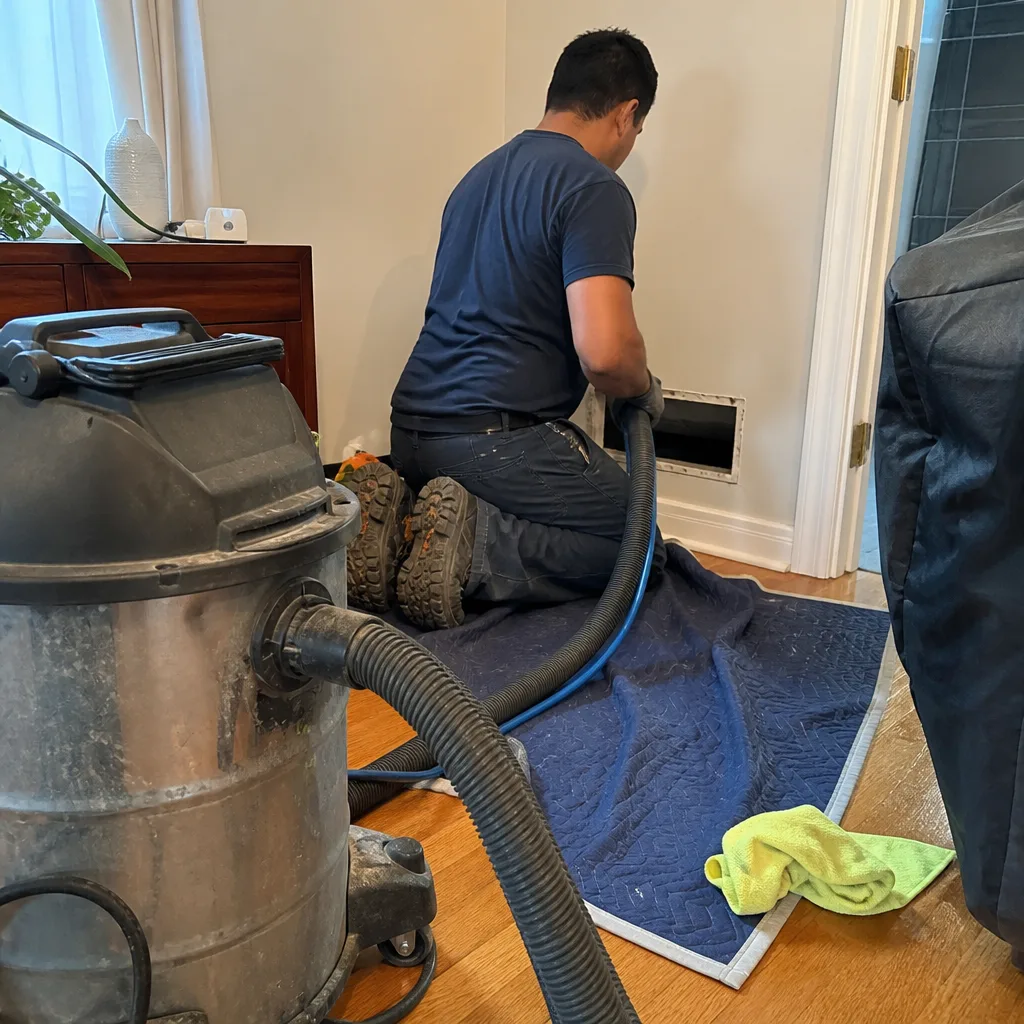
A complete air duct cleaning is not a guy with a shop vac and a brush on a drill. The industry term for the proper method is negative-pressure extraction. Here’s what that means in plain language: a powerful vacuum creates suction inside the duct system while specialized brushes agitate the debris off the duct walls. The vacuum pulls the loosened dust, hair, and particulate into a sealed collection system with HEPA filtration, not into your living room.
A complete cleaning covers four things:
- Supply ducts: the lines that carry conditioned air from your furnace or AC into your rooms.
- Return ducts: the lines that pull air back to the system to be heated or cooled again.
- The air handler or furnace cabinet: the box where air passes through the blower and filter. This is often the dirtiest part of the system and the most frequently skipped by budget cleaners.
- Supply and return registers: the grilles in your floors, walls, or ceilings where air enters and exits each room.
Here’s what a thorough cleaning job looks like step by step:
- Inspection: the technician checks the system, locates access points, and notes any damage, leaks, or blockages before touching anything.
- Protection: floor coverings and corner guards go down around the work area.
- Access: a small access hole is cut into the main trunk line if one doesn’t already exist, so the vacuum hose can connect directly to the ductwork.
- Negative pressure setup: the vacuum system is connected to the trunk line and sealed so that dust can’t escape into the home during cleaning.
- Agitation: rotating brushes or compressed-air tools knock debris loose from inside the ducts. The vacuum pulls it out as it breaks free.
- System cleaning: the blower, coils, and cabinet are cleaned. This is the step budget operations skip, and it matters because the air you breathe passes through this box on every cycle.
- Sanitization (optional): an EPA-registered antimicrobial is fogged into the system to address mold or bacteria if present. This should never be a standard upsell. It’s only appropriate when there’s a specific issue.
- Final walkthrough: the technician shows you before-and-after photos of your own ducts and reviews what was found.
Linden Air Duct Queens runs this process with truck-mounted and portable negative-pressure systems, using equipment from trade-trusted brands like Rotobrush and Nikro. When air-quality products like Honeywell or Aprilaire media filters are part of a job, they get installed at this stage.
How Much Air Duct Cleaning Costs in Queens
For a complete cleaning of a typical Queens home, plan on $450 to $900. Smaller co-op units with fewer vents fall on the lower end. Larger single-family homes with multiple zones or basement systems run higher. Here’s the honest breakdown of what drives the price:
- Number of vents and returns: more registers mean more time. A typical Queens rowhouse has 8-14 vents. A large detached home in Bayside might have 20 or more.
- System age and condition: prewar ductwork with decades of buildup takes longer to clean than newer, smoother duct interiors.
- Access difficulty: if your furnace is in a finished basement with finished ceilings hiding the trunk line, the technician needs to create access carefully, which takes longer than an exposed system in an unfinished space.
- Co-op or condo requirements: some buildings require proof of insurance before work begins, or restrict work hours. This adds coordination time, not necessarily cost, but be prepared for it.
- Add-ons like dryer vent cleaning: many Queens homeowners bundle Dryer Vent Cleaning in Queens with duct cleaning. That’s usually a separate line item, in the $125 to $225 range depending on vent length and location.
If a company quotes you $99 for a whole house, understand what that is: a loss leader designed to get a van in your driveway. The real invoice comes after the technician “discovers” mold, suggests a sanitizer, or claims the system needs expensive repairs. A legitimate cleaning costs what it costs because it takes real time with real equipment. Our policy at Linden Air Duct Queens is a written price before any work begins, every single time. No surprise invoices at the end. That price is put in writing, and it’s the price you pay. If something changes during the job, you’ll know before it happens, and you’ll approve it on paper before it starts.
How Often Should Queens Homeowners Clean Their Ducts?
The national standard answer is every 3 to 5 years. The honest Queens answer is every 2 to 4 years, shorter if any of these apply to you:
- You live in an attached or semi-detached home and a neighbor has done renovation work (roofing, gut renovation, even extensive sanding) in the last year.
- You’re within a few blocks of ongoing construction. Long Island City, Astoria, and parts of Jamaica have had continuous high-rise and mid-rise construction for years, and that dust travels.
- You have pets that shed. Queens has one of the highest pet ownership rates in the city.
- Anyone in the home has allergies, asthma, or other respiratory conditions.
- You notice dust returning to surfaces within days of wiping them down, even after changing your furnace filter.
- Your home is near the water in the Rockaways or Broad Channel, where humidity makes dust adhesive.
- You’ve had water intrusion or a leak anywhere near the HVAC system.
If you just moved into a home in Queens and don’t know when the ducts were last cleaned, assume they need it. Sellers clean what buyers can see. Ducts are invisible, and “out of sight, out of mind” is a real thing in the Queens real estate market.
How to Verify a Duct Cleaning Company Before They Enter Your Home
Letting a stranger into your home is a bigger decision than most guides acknowledge. You’re giving someone access to your bedrooms, your closets, your personal space. For homeowners who are often home alone, parents with young children, and older homeowners, that’s not a small thing. Here’s How to Hire a Air Duct Cleaning Contractor in Queens: A Step-by-Step Guide to verify a company before you open the door.
Queens doesn’t have a borough-specific duct cleaning license, but New York State has requirements that matter. Ask these questions before you book:
- Are you insured and bonded? Ask for a certificate of insurance. Any legitimate operation will send one without hesitation. If they dodge, move on.
- Who is coming to my home? This is the question most companies are not prepared to answer well. At minimum, you should get the technician’s name before the visit. Linden Air Duct Queens sends the tech’s name and photo before the appointment, and the tech shows a photo ID badge at the door, every time. That’s our Threshold Standard: background-checked, identity-verified, photo-badged, and introduced to you by name before they ever ring the bell.
- What equipment do you use? If they can’t name their equipment brand or describe the process, they’re a middleman subbing out to whoever answers the phone. Professional-grade equipment from Rotobrush or Nikro indicates a company that invested in doing this properly.
- Do you have a physical address in the area? Not a requirement for legitimacy, but it’s a useful signal. A company with a real presence answers the phone and stands behind the work.
- Can I see references or before-and-after photos of your own work? Not stock photos. Their actual jobs. If they can’t show you real photos, they haven’t done real jobs or they’re not proud of the work.
One more thing worth saying: if you call and get a voicemail, a call center, or an answering service, think about what that means for the day of your appointment. Linden Air Duct Queens has a live person answering the phone 24/7. Not a callback queue. A real human, any time you call. That matters when a technician is standing at your door and you want to confirm they’re ours.
How to Confirm the Work Was Actually Done
This is the question most guides never answer, and it’s the one that matters most. Duct cleaning is invisible by nature. The ducts are behind your walls. How do you know anyone actually did anything? Here’s what a legitimate job leaves behind:
- Before-and-after photos of your own ducts. Not representative photos. A camera or borescope should capture the interior of your main trunk line before and after. You’ll be able to see the metal or fiberglass surface, not a layer of dust.
- A written service summary. This should include: the date, the technician’s name, which ducts were cleaned, the equipment used, any findings (leaks, damage, mold, pest intrusion), and any recommendations for repair or follow-up. If you don’t get this, ask for it before the technician leaves.
- Access points properly sealed. If the technician cut an access hole, it should be patched with a metal plate and sealed with mastic or aluminum tape, not left open or covered with duct tape.
- Registers replaced correctly. Every register should be back in place and seated properly. This sounds obvious. It’s also the most common shortcut: a register left loose or not reinstalled.
- No debris left behind. The area around the furnace should be as clean as when the technician arrived, or cleaner. Floor coverings come up, corner guards come off, and the work area gets a basic sweep.
If a company can’t provide before-and-after photos of your specific ducts, that’s not a reason to assume they did nothing. But it is a reason to ask harder questions. The honest answer from any reputable company is that they can and will show you the proof.
When Cleaning Isn’t Enough: Duct Repair in Queens
Cleaning removes what’s inside the ducts. It doesn’t fix what’s wrong with the ducts themselves. In Queens, where much of the housing stock is 60 to 100 years old, that distinction matters. Here’s what cleaning can reveal and what it can’t fix:
- Disconnected sections: in older homes, especially prewar retrofits and systems that have been worked on by multiple contractors over decades, duct sections separate at the joints. Conditioned air leaks into wall cavities or between floors instead of reaching your rooms.
- Crushed or collapsed sections: flexible duct runs in tight Queens basements get pinched by stored belongings or just age and sag. A crushed duct restricts airflow and makes your system work harder.
- Rodent or pest intrusion: mice and rats are a fact of life in attached Queens housing. They travel through wall cavities, and ductwork is a common highway. If cleaning reveals evidence of pests, the ducts need repair and sealing after extermination.
- Rust and corrosion: homes near the water in the Rockaways and Broad Channel fight rust on everything metal, including ducts. Once corrosion compromises a section, cleaning won’t restore it.
When cleaning reveals a problem, the technician should stop and show you what they found. They should put the repair recommendation in writing, with a price, and let you decide. No pressure, no “I can do it right now for a discount.” At Linden Air Duct Queens, every repair gets a written guarantee, and if a covered repair fails, we come back at no charge. That’s not a promotion. That’s how Air Duct Repair in Queens should work.
The Dryer Vent Question Every Queens Homeowner Should Ask
Your dryer vent is not part of your HVAC ductwork, but in Queens, the two get tangled together constantly. Here’s why: dryers in Queens apartments and rowhouses often vent through long, winding runs that are rarely straight shots to the outside. A dryer in the middle of a rowhouse might push lint through 20 or 30 feet of flexible duct with several bends before it exits. In co-op buildings, dryer vents sometimes run through shared chases where lint builds up and becomes a fire hazard that affects multiple units.
A clogged dryer vent is a fire risk. It’s also the reason your clothes take two cycles to dry. The trade has a phrase for this: a dryer vent lint trap bypass. It means lint is supposed to be caught by the trap in your dryer, but when that trap is full or the vent is partially blocked, lint bypasses the trap and accumulates in the duct itself. Once that accumulation starts, it accelerates quickly.
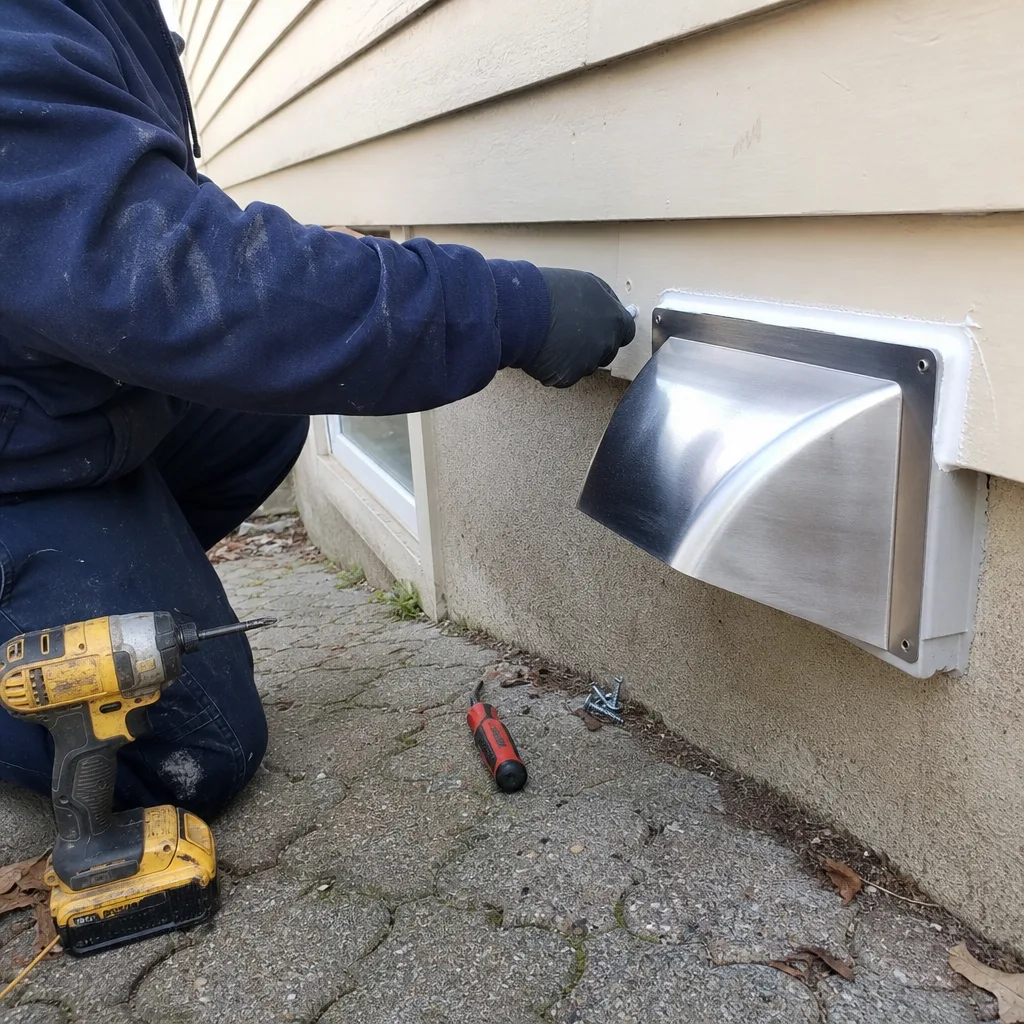
If you’re having your air ducts cleaned, ask about dryer vent cleaning at the same time. It’s a separate service, billed separately, but bundling them saves you a second service visit and gives you a complete picture of the air moving through your home. See our page on Dryer Vent Cleaning in Queens for the full breakdown of what that involves and what it costs.
Common Mistakes to Avoid
- Choosing by lowest price. The $99 special always ends up costing more than the honest $600 clean. The Queens market is competitive, which means discount operators flood the borough with teaser pricing. They recoup it with upsells, fake mold scares, and padded repair recommendations.
- Assuming “duct cleaning” means the same thing everywhere. A prewar co-op in Forest Hills and a freestanding home in Bayside need different access, different equipment, and different time. Ask the company if they’ve worked in your building type.
- Skipping the inspection. Any technician who starts opening ductwork without inspecting first is either too rushed or doesn’t know what they’re looking at. The inspection is where problems get found before they become expensive surprises.
- Not asking who’s coming to the door. You have a right to know the name of the person entering your home, and you should expect proof of identity when they arrive. If a company won’t tell you who’s coming, that’s a reason to look elsewhere.
- Paying before the work is done. Legitimate companies don’t demand payment upfront. You pay when the job is complete and you’ve seen the proof. Anyone pressuring you for prepayment is working a different business model.
- Ignoring the dryer vent. Many Queens homeowners clean their air ducts and skip the dryer vent because it’s “a different system.” It’s the same principle: trapped lint is a fire hazard, and Queens laundry setups are notorious for long, bendy vent runs.
- Believing the “duct cleaning is a scam” headlines without nuance. Yes, the industry has a scam problem. That’s exactly why verification matters. A properly done cleaning from a verifiable company removes real debris from your air stream. The solution isn’t to skip cleaning; it’s to choose a company that proves its work.
When to Call a Professional
You should call a professional if you see dust accumulating on surfaces within days of cleaning, if anyone in the home is waking up congested or coughing more at home than elsewhere, if you smell something musty or damp when the system kicks on, or if you’ve had renovation work done anywhere in or near your home in the last year. If you’ve bought a home in Queens and have no record of the ducts ever being cleaned, that’s also a reason. And if you can’t remember the last time the dryer vent was cleared, that’s overdue. Linden Air Duct Queens offers free estimates in Queens – call (845) 237-0925.
Frequently Asked Questions
Air duct cleaning in Queens costs between $450 and $900 for a complete system cleaning, with co-op units on the lower end and larger single-family homes on the higher end. The price depends on the number of vents, system age, and access difficulty. Call (845) 237-0925 for an exact quote based on your specific home – estimates are free.
Cheap duct cleaning quotes are usually bait. The company sells an incomplete service at a teaser price, then finds “problems” once the technician is in your home and pushes expensive add-ons. A legitimate cleaning takes real time, real equipment, and real labor, and the price reflects that. A written price before work begins keeps you protected from the bait-and-switch. That’s standard at Linden Air Duct Queens, on every job.
The work was actually done if you receive before-and-after photos of your own ducts, a written service summary, properly sealed access points, and clean registers, all delivered before the technician leaves. If a company can’t show you the inside of your ducts after cleaning, ask why not. A legitimate technician will show you the proof happily.
In Queens, clean your air ducts every 2 to 4 years, more frequently if you live in an attached home with renovation activity nearby, have pets, live near the waterfront, or have allergy sufferers in the home. See our DIY vs Professional Air Duct Cleaning: The Queens Homeowner’s Decision Guide to decide what’s right for you. The borough’s density and constant construction mean ducts in Queens accumulate debris faster than in suburban areas.
Changing your furnace filter helps, but it doesn’t clean the ducts. The filter catches particles moving through the system, but dust and debris that have settled on the duct walls stay there until they’re mechanically removed. Think of it this way: changing your car’s oil doesn’t clean the fuel lines. Filter replacement and duct cleaning serve different purposes.
Air duct cleaning covers your HVAC system: supply and return ducts, the air handler, and registers. Dryer vent cleaning is a separate service that clears the lint from the duct running from your dryer to the outside. They’re different systems, but both need attention, and many Queens homeowners bundle them into one visit. Call (845) 237-0925 to schedule both – estimates are free.
The Bottom Line
Air duct cleaning in Queens is not the same job it is anywhere else. Dense attached housing, prewar retrofit ductwork, waterfront humidity, and constant renovation dust all mean your ducts get dirtier faster and need a more careful approach. A complete cleaning uses negative-pressure extraction with brush agitation and HEPA filtration, costs $450 to $900, and leaves behind proof: photos of your ducts, a written summary, and a clean work area. Before you book, verify who’s coming, what they charge, and how they’ll prove the work. Get a written price before work starts, and call a company that shows up the way a professional should. Linden Air Duct Queens is that company for homeowners across the borough.
Written by Marcus Veale, Owner at Linden Air Duct Queens, serving Queens since 2004.
See the difference
 Before
 After
After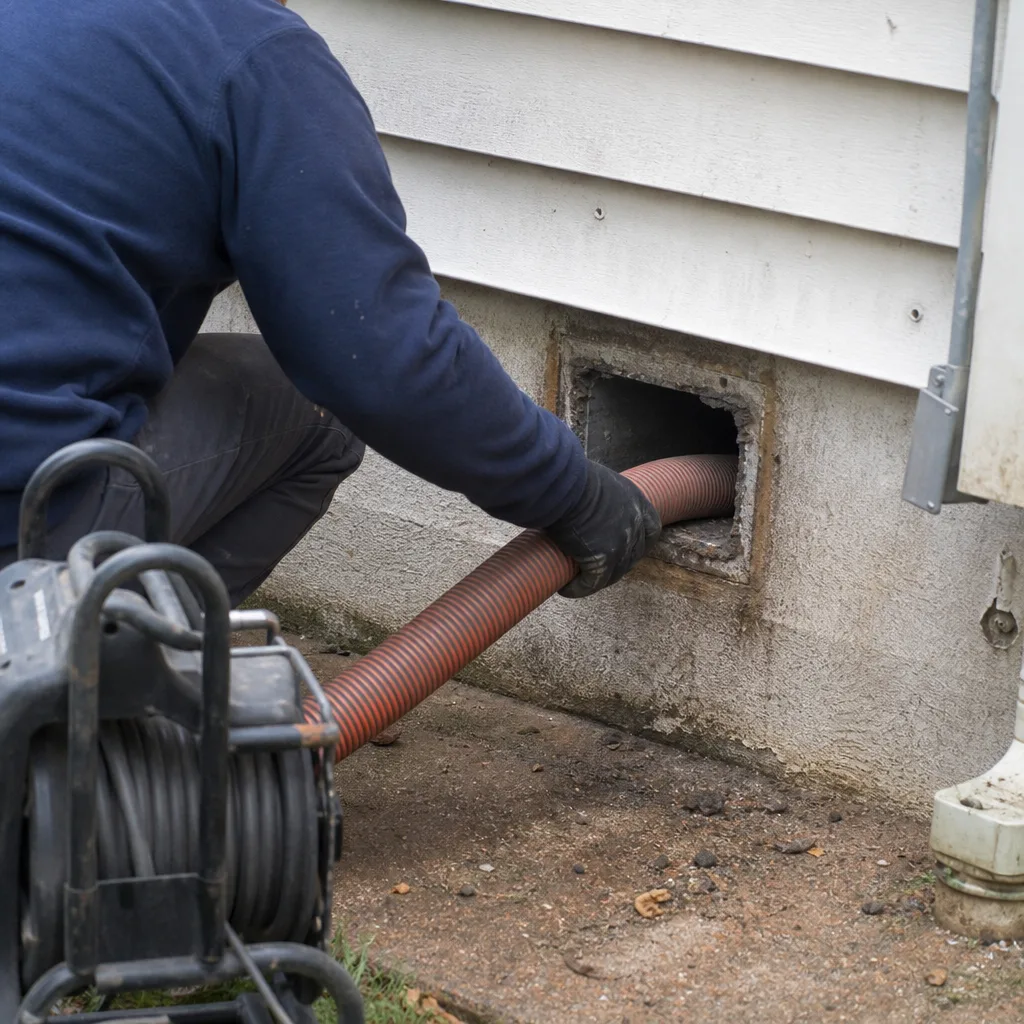 Before
 After
After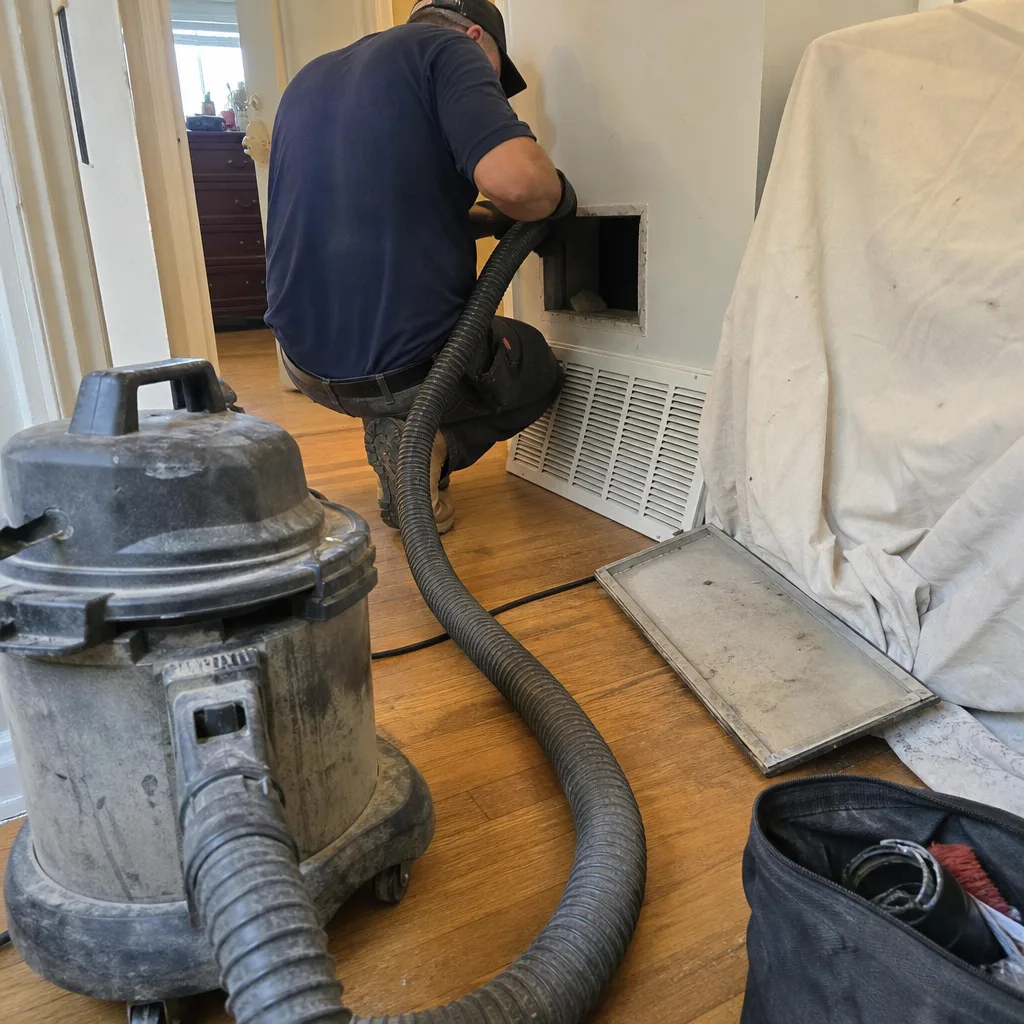 Before
 After
After