
Last updated October 15, 2026
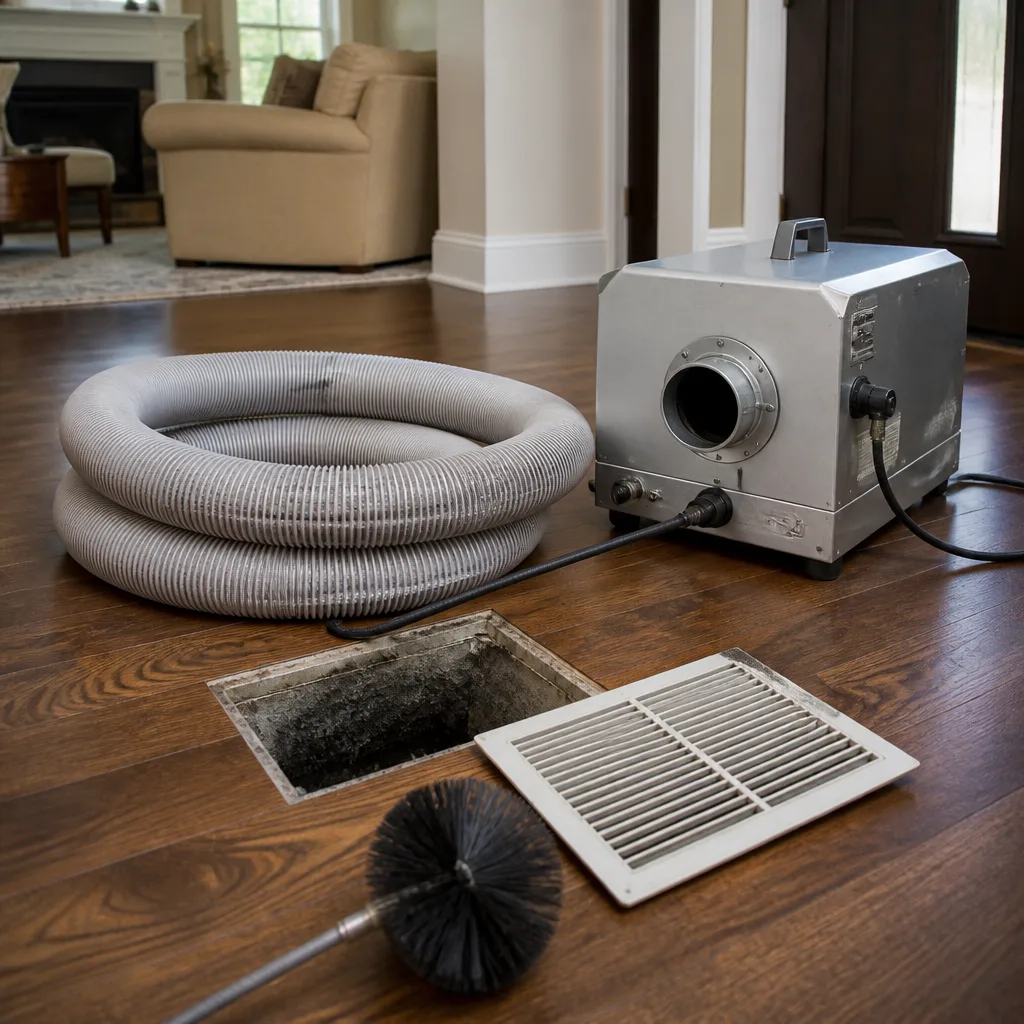 Whole-home duct cleaning
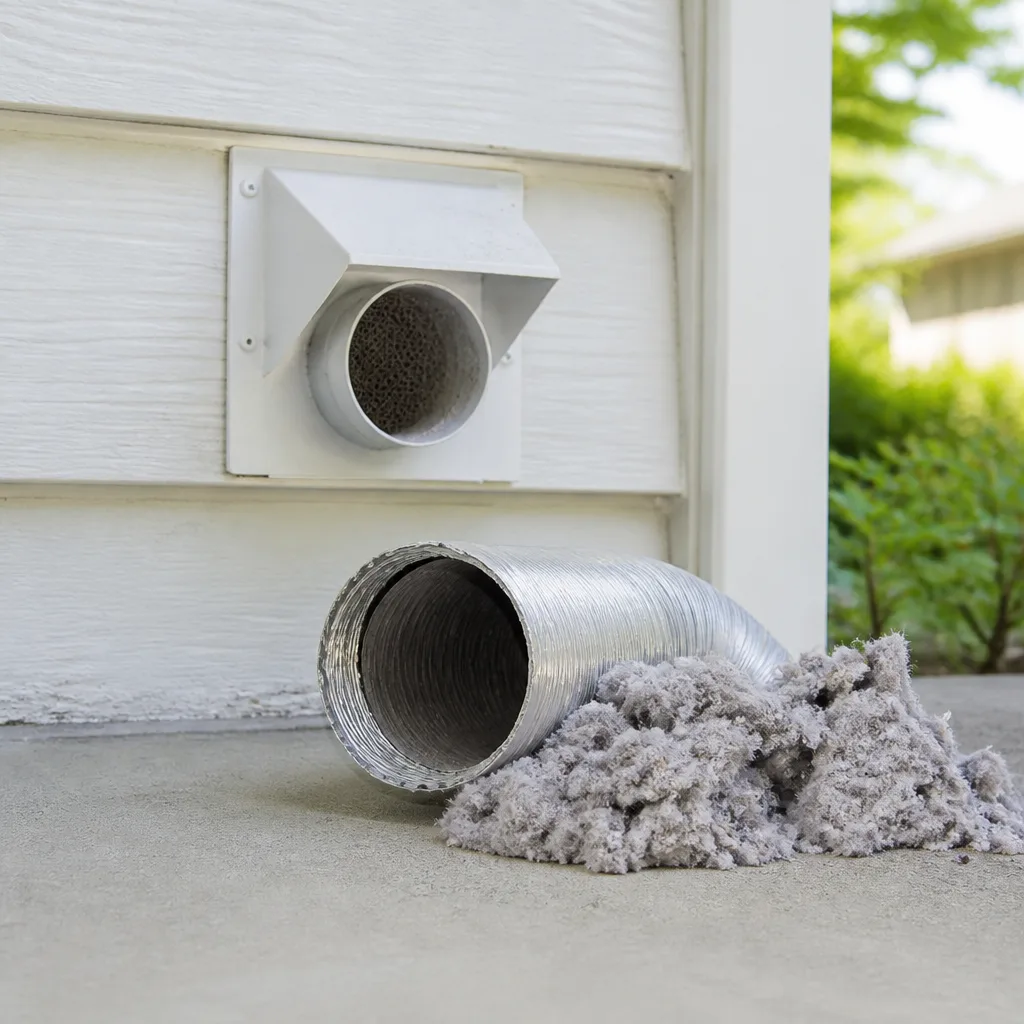 Dryer vent cleaning
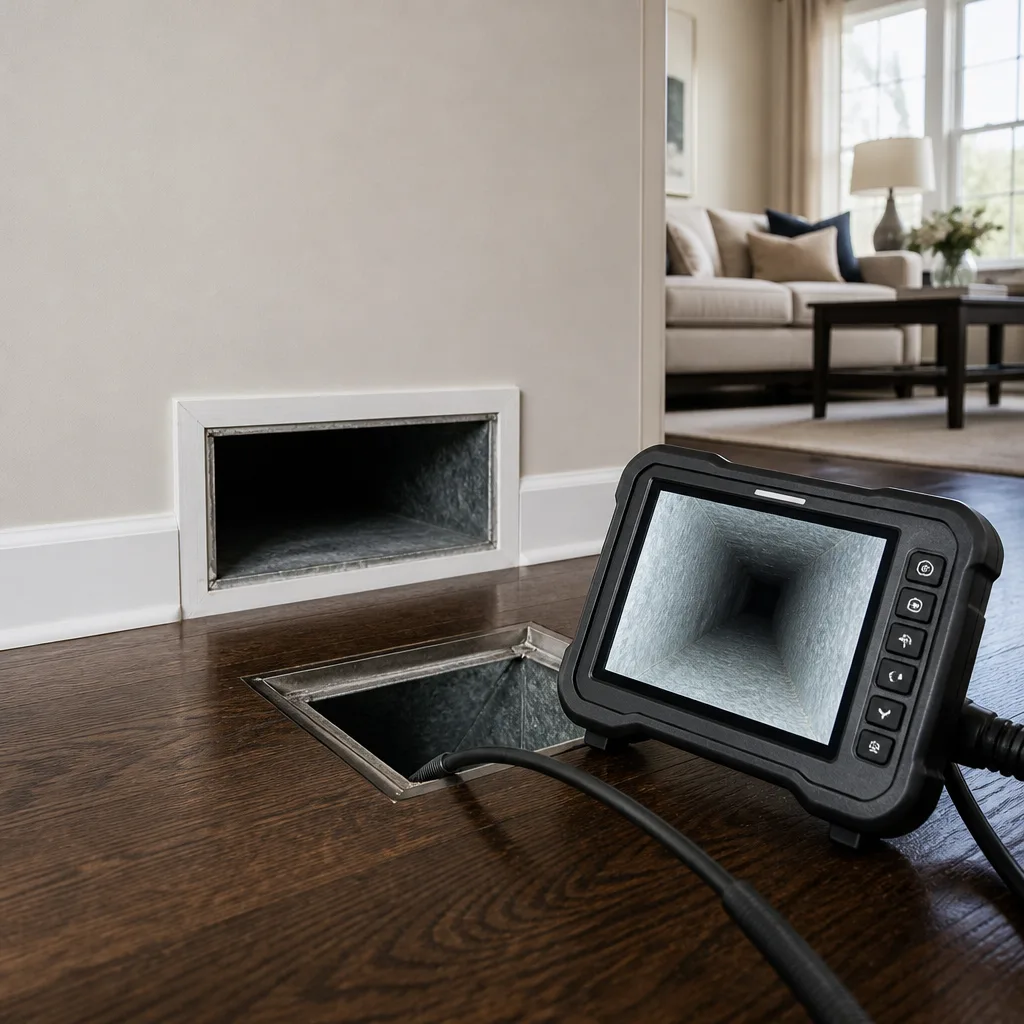 Camera inspection
 Sanitizing & deodorizing
Whole-system duct and dryer vent check with before-and-after photos - you see exactly what came out of your vents
That "$99 whole-house special" is a bait ad - the real number appears once they are in your hallway, or the "clean" is a shop-vac at the register. We photograph the inside of your ducts before and after instead.
How to Hire a Air Duct Cleaning Contractor in Queens: A Step-by-Step Guide
The $99 whole-house duct cleaning coupon that lands in your mailbox is one of the oldest documented bait-and-switch plays in the home services industry. The EPA and Better Business Bureau have both warned about it for more than a decade, and it still runs through Queens every single season because enough homeowners don’t know which questions to ask before the van pulls up. This guide gives you those questions, the verification steps, the red flags, and the exact criteria for choosing a contractor who will actually do the job they quote. For more guidance, see our Seasonal Air Duct Cleaning Care for Queens: Year-Round Homeowner’s Guide. By the time you finish reading, you’ll know more about vetting an air duct cleaner than most people learn after hiring three of them.
Styles & brands we work with
Quick Answer
Hiring a legitimate air duct cleaning contractor in Queens means verifying three things before you book: proof of insurance and licensing you can check yourself, a written flat-rate quote that names every vent and register included, and a written guarantee that states exactly what happens if the work falls short. A real contractor will send you the technician’s name and photo before the appointment and show a photo ID badge at your door. If a company won’t put its price and its accountability in writing before you say yes, you’re not hiring a contractor, you’re gambling.
Table of Contents
- Why Hiring a Duct Cleaner in Queens Is a Trust Problem, Not a Price Problem
- Step 1: Verify Licensing and Insurance Before You Book
- Step 2: The Five Phone Questions That Disqualify Bad Companies Fast
- Step 3: What a Legitimate Written Quote Must Include
- Step 4: How to Evaluate Accountability After the Job
- Step 5: Red Flags During the Appointment Itself
- What Queens Homeowners Need to Know About Ducts, Climate, and Buildings
- Common Mistakes to Avoid
- When to Call a Professional
- Frequently Asked Questions
- The Bottom Line
Why Hiring a Duct Cleaner in Queens Is a Trust Problem, Not a Price Problem
Here’s the uncomfortable truth most guides won’t tell you: the biggest risk in air duct cleaning isn’t overpaying. It’s opening your door to a technician who runs a vacuum for twenty minutes, shows you a before-and-after photo of someone else’s ducts, and hands you an invoice for work that never touched the plenum. Or worse, a tech who “discovers” mold inside your return air shaft ten minutes into the job and tells you the $149 special just became a $1,900 mold remediation.
Queens has one of the densest housing stocks in the country. We’ve got pre-war co-ops in Forest Hills, attached brick row houses in Ridgewood, high-rise apartments in Long Island City, and thousands of single-family homes across Flushing, Bayside, and Howard Beach. That density means one thing for ductwork: shared walls, aging systems, and decades of accumulated dust, pet hair, and construction debris. It also means hundreds of duct cleaning companies compete for the same phone calls, and some of them win by being the lowest number on the flyer.
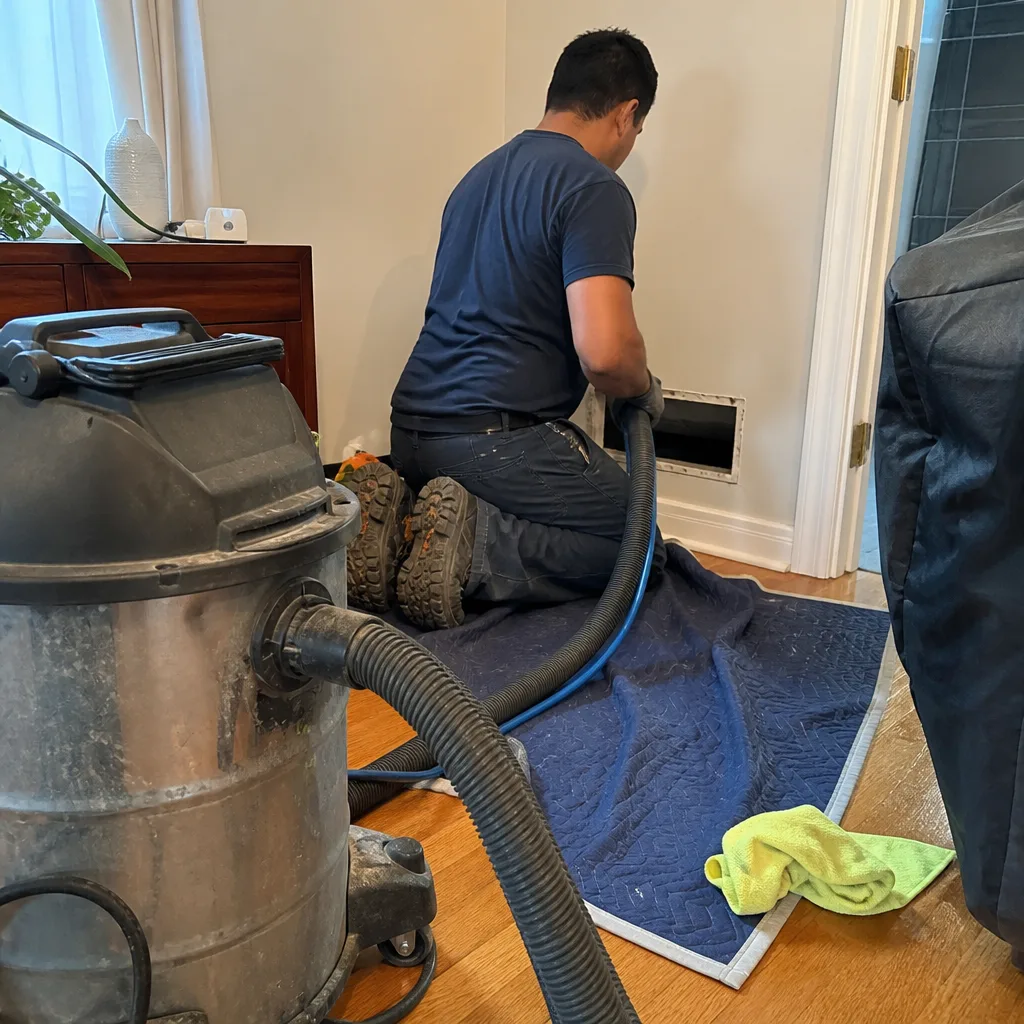
A real duct cleaning job on a typical Queens home takes two to four hours, uses negative-pressure extraction equipment, and produces verifiable results you can see in photos of your own registers. A cosmetic job takes thirty minutes and a shop vac. The difference is trust, and trust is verifiable before anyone walks through your door.
Step 1: Verify Licensing and Insurance Before You Book
New York State does not require a specific “air duct cleaning license.” That single sentence is where most homeowners get tripped up, because it means anyone with a van and a vacuum can call themselves a duct cleaner. Your job is to check the credentials that actually matter.
Here’s what to verify before you schedule anything:
- Home Improvement Contractor (HIC) license. In New York, any contractor performing work on residential property must hold an HIC license issued by the NYC Department of Consumer and Worker Protection (DCWP). You can check a license number directly on the DCWP website by searching the business name. If the company name they give you doesn’t appear, ask why.
- Liability insurance in the contractor’s actual business name. A certificate of insurance (COI) is a one-page document from an insurance carrier. Ask the company to email you a current COI and check two things: the named insured matches the company you’re hiring, and the policy period is still active. A company that hesitates or says “insurance is private” is telling you everything you need to know.
- Workers’ compensation coverage. If a technician gets hurt inside your Queens apartment or house and the company doesn’t carry workers’ comp, you can be held liable. Ask for proof. This is not a technicality.
- Business history you can verify with a phone call. Ask how many years the company has been operating and whether they’re part of a larger service group. A company that’s been serving homeowners since 2004 and operates under a recognized standard like the Threshold Verified protocol can tell you exactly what that standard requires. If they can’t articulate it, they probably don’t have one.
At Linden Air Duct Queens home, every technician is background-checked, identity-verified, and photo-badged under the Threshold Standard. We don’t ask you to take that on faith. We send you the tech’s name and photo before the visit and the tech shows a photo ID badge at your door, every single time.
Step 2: The Five Phone Questions That Disqualify Bad Companies Fast
You can eliminate most bad contractors in Queens before you ever schedule an appointment by asking five specific questions on the phone. Here they are, along with the answers that should make you hang up and call the next name on your list.
- “What’s your price per vent?” If the person on the phone quotes a per-vent price, that’s a red flag. Legitimate duct cleaning is quoted as one flat price per system, written down before work starts. Per-vent pricing is how the classic bait-and-switch works: the advertised number covers “up to 10 vents,” and the tech counts 24 in your home, and now your $99 special is $360. A company that gives you one flat price per system before any work begins is the company you want to keep on the phone.
- “Will you put the price in writing before anyone enters my home?” The only acceptable answer is “yes, always.” If they say “we’ll give you an estimate after we look at the system,” that’s a setup. A visual inspection should confirm the scope, not determine the price from scratch. Every legitimate company knows what a standard Queens home duct system costs to clean.
- “Will you tell me who’s coming to my door before the appointment?” The answer should be the technician’s full name and a photo, sent by text or email before arrival. If the company won’t tell you who is coming, you’re opening your door to a stranger with no accountability. This matters doubly for people who are home alone during the day, parents with young kids, and older homeowners in neighborhoods like Kew Gardens and Rego Park where trust is the entire transaction.
- “What happens if the repair fails or the cleaning isn’t done right?” Listen for a specific answer: “We come back at no charge” or “You’re covered in writing for 365 days.” If the answer is vague, like “we always take care of our customers,” there is no guarantee. A written guarantee with a defined term and a defined remedy is the difference between accountability and a promise that evaporates.
- “Who answers the phone if I have a problem after the job?” If you get a voicemail loop on your initial call just to schedule a quote, what do you think happens when a problem shows up three weeks later? A live person answering 24/7 is not a luxury feature; it’s the basic signal that the company is reachable when something goes wrong.
Step 3: What a Legitimate Written Quote Must Include
Most homeowners in Queens have never seen a properly written duct cleaning quote, so they don’t know what’s missing until it’s too late. A verbal estimate – “should be around $300 to $400, we’ll confirm on site” – is not a quote. It’s an invitation to a negotiation you’ll lose in your own living room.
Here’s what a legitimate written quote includes, line by line:
- The exact scope of work. Every supply register, every return vent, the main trunk line, and the air handler or furnace plenum. If a register isn’t listed, assume it isn’t included.
- One flat price for the entire system. Not a per-vent price, not an “as low as” price, not a range. A single dollar amount that covers the entire cleaning job on your specific system.
- Any add-ons, disclosed in advance. If the company recommends sanitizing, deodorizing, or a filter upgrade, those costs should be itemized on the quote before you agree. Not after the tech discovers something in the ductwork.
- The equipment being used. Legitimate companies use professional-grade negative-pressure extraction machines from trade-trusted brands like Rotobrush or Nikro, not a shop vac with a long hose attachment. Ask what equipment they’re bringing.
- Estimated job duration. A real duct cleaning on a typical Queens home takes two to four hours. A company that says “about 45 minutes” is selling a cosmetic service.
- The guarantee, in writing. What’s covered, for how long, and what happens if the work fails. At Linden Air Duct Cleaning, every repair comes with a written guarantee and a free second visit if the covered repair doesn’t hold. That’s not a promotional offer. It’s the standing commitment on every job.
If you’re comparing Air Duct Cleaning in Queens, get the quote in writing from each company before you book. A company that won’t write it down is a company that doesn’t want a paper trail.
Step 4: How to Evaluate Accountability After the Job
Most homeowners evaluate a duct cleaning company based on how the appointment goes. The smarter evaluation is what happens after the tech packs up and leaves. Here’s what accountability looks like on a legitimate job in Queens.
You should receive a written completion summary. This document tells you what was cleaned, how many vents and registers were serviced, what the tech observed inside the ductwork, and any recommendations for future maintenance. If the company hands you a receipt and walks out, you have no record of what was actually done.
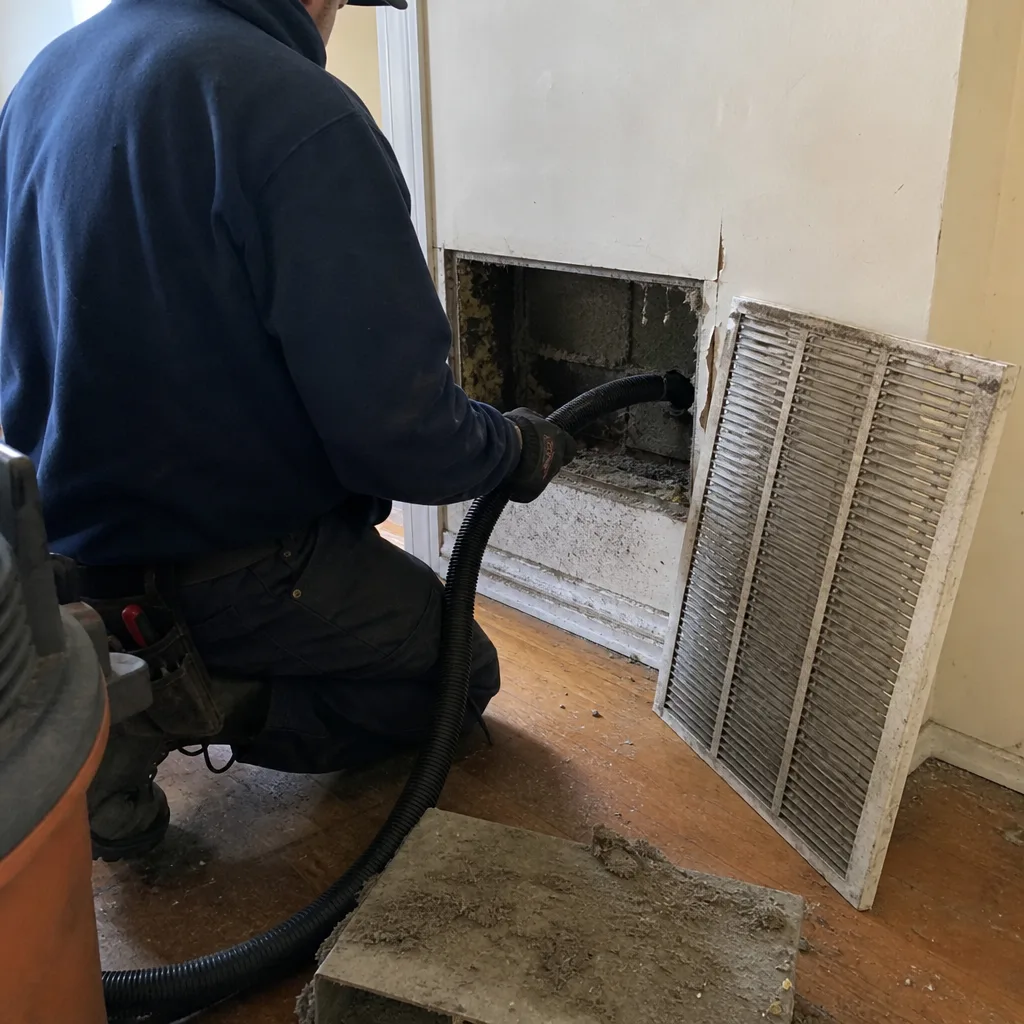
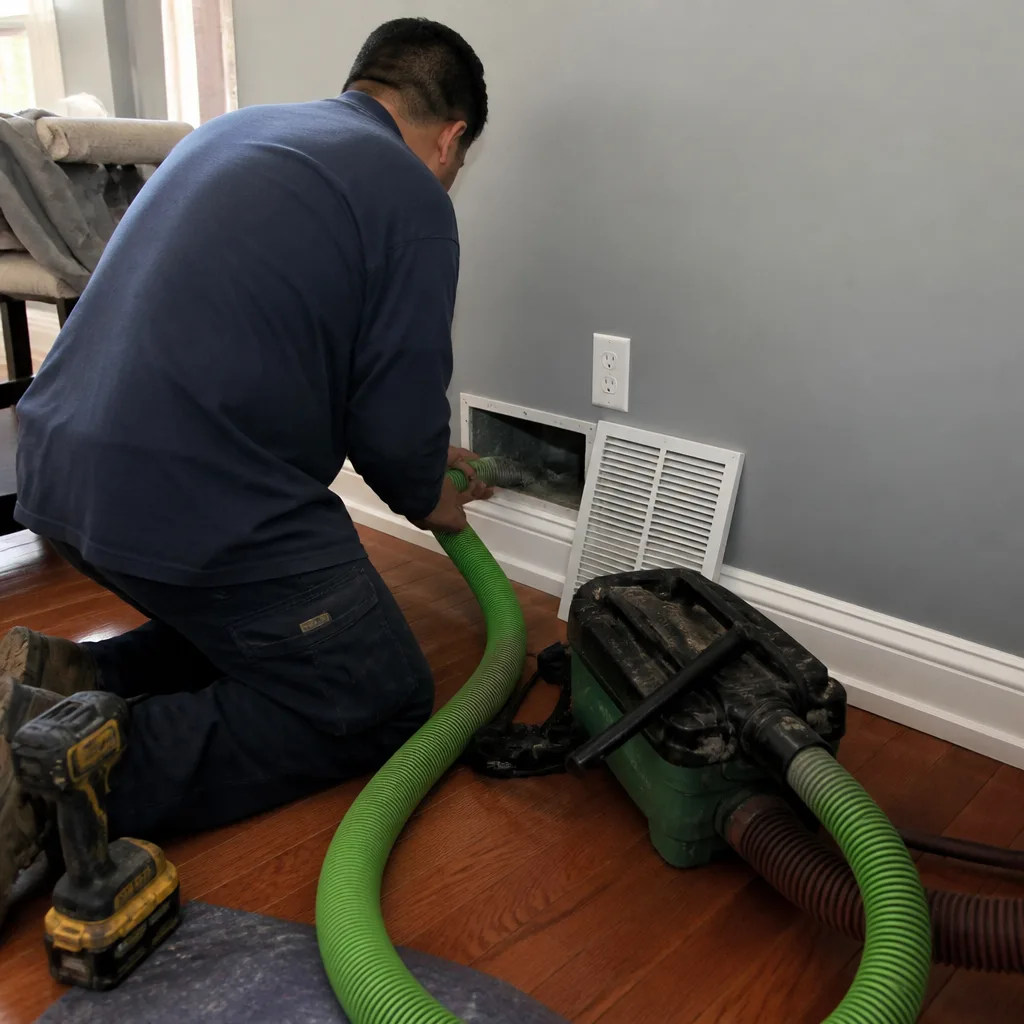
You should see photos of your own ductwork. Before-and-after photos of your actual registers and main trunk line, not stock photos and not “representative” images from a different job. Ask the tech to show you the after photos on the spot. A company that uses industry-standard inspection cameras will have no problem doing this.
The guarantee should be written, specific, and dated. “365 days” is a real answer. “We stand behind our work” is not. Know exactly what the guarantee covers – cleaning quality, repair integrity, or both – and who to call if something falls short. If the company is part of a larger service group with a defined standard like the Threshold Verified protocol, the guarantee should reference that standard by name.
You should know who to call if a problem appears in week three or month six. This is where the live-phone-answer test matters. Call the number on your invoice. If a human answers and knows how to route you to the right person, you’re dealing with a real company. If you hit an automated system that promises a callback within 48 hours, you’ve just learned how the company handles problems.
Our Air Duct Repair in Queens work includes a written guarantee on every repair, and if a covered repair doesn’t hold, we come back at no charge. That’s the 365-Day Done Right Promise, and it’s in writing on every job, not in a marketing brochure.
Step 5: Red Flags During the Appointment Itself
You’ve verified the company, asked the right phone questions, and received a written quote. The tech arrives and the job begins. Here are the red flags that should make you pause, ask questions, or stop the work entirely.
The tech “discovers” mold within minutes of arrival. Real mold identification requires lab testing. A visual suspicion can be raised in seconds. The fast “discovery” is a classic upsell move: the tech shows you a dark spot on the duct wall and tells you it’s toxic mold that requires immediate remediation. If this happens, ask for the written lab report. A legitimate company will document the finding, recommend testing, and let you decide without pressure. A scam will push you to sign a change order right now.
The price starts moving mid-job. The written quote said $425. The tech says your system is “bigger than expected” or “needs extra sanitizing.” This is the bait-and-switch completing its cycle. If the price changes after work begins and you didn’t approve a change order in writing, you have every right to stop the work and pay only the agreed amount for work performed.
“We don’t need to clean that part.” A legitimate negative-pressure extraction clean includes the main trunk line and the air handler plenum. If the tech only cleans the vents near the registers and skips the trunk, you’re getting a cosmetic job. Ask: “Are you cleaning the main trunk line and the plenum today?” A real technician will say yes and show you the equipment doing it.
The equipment doesn’t match the promise. A professional duct cleaning rig includes a powerful negative-pressure machine that creates suction throughout the entire system. A shop vac with a long hose is not duct cleaning equipment. If the tech arrives with something that looks like it came from a home improvement store aisle, it did.
Pressure to sign for add-ons immediately. “If you don’t do the sanitizing today, the price goes up 30% next time.” This is manufactured urgency. Legitimate companies don’t use it. The quote you approved should cover the work the company recommended when you booked. Anything new discovered during the job should be documented, explained, and left for your decision without a timer running.
What Queens Homeowners Need to Know About Ducts, Climate, and Buildings
Queens is not a generic duct cleaning market. The housing stock, the climate, and the way buildings are constructed here create specific conditions that affect your ductwork and what you should expect from a contractor.
Pre-war buildings and steam heat. A large share of Queens housing was built before World War II: brick co-ops and rental buildings in Jackson Heights, Sunnyside, and Astoria with original masonry and decades of accumulated fine dust inside the chases and shafts. If your building has steam heat, your ducts are separate from your heating system, which means the cleaning scope should focus on the air conditioning and ventilation side. A contractor who doesn’t understand this Queens distinction will either over-clean what doesn’t need it or miss what does.
Radiant heat versus forced air. Many single-family homes in neighborhoods like Bayside, Whitestone, and Little Neck were built post-1950 with forced-air heating and cooling. Those systems have larger trunk lines and more registers than a pre-war apartment, and the cleaning takes longer. A quote that treats a two-bedroom Flushing co-op the same as a four-bedroom Bayside colonial is a quote that hasn’t actually looked at your system.
Humidity and mold risk. Queens summers are humid from June through September, and window AC units or ductless mini-splits are common in older buildings. But for homes with central air, the condensate that forms on cooling coils creates a moist environment inside the air handler. That’s why sanitizing and coil cleaning are sometimes recommended in Queens specifically – but only when there’s evidence of microbial growth, not as a default upsell. A legitimate contractor tells you the difference and documents it.
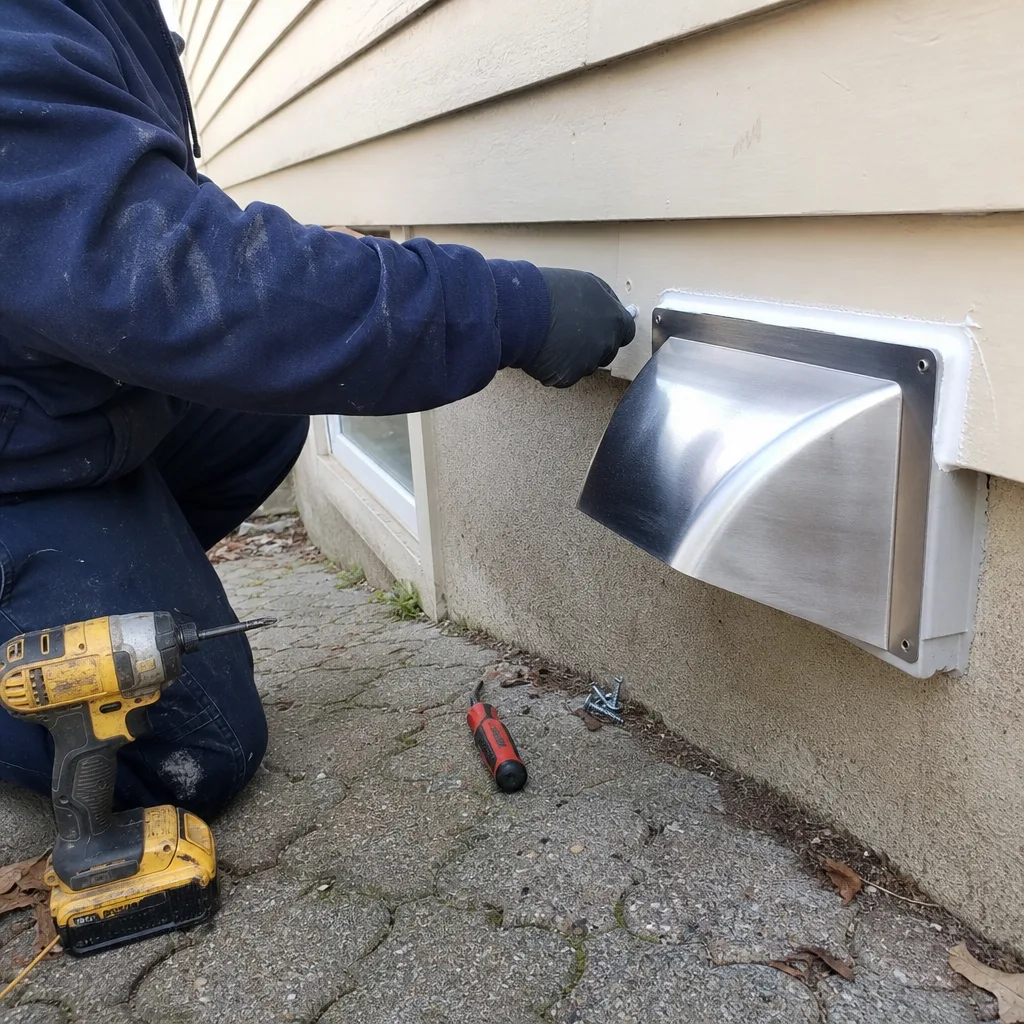
Dryer vents in Queens apartments. Dryer Vent Cleaning in Queens is a separate service from air duct cleaning, but it’s related and routinely overlooked. Long vertical dryer vent runs in mid-rise buildings are a leading cause of dryer fires and efficiency loss. If you’re having your air ducts cleaned, ask the contractor about your dryer vent as well. Many Queens buildings have vents that haven’t been touched since the day they were installed.
Construction debris in newer buildings. The development boom that transformed Long Island City, parts of Astoria, and the waterfront from Greenpoint down through Hunters Point means many newer Queens condos and rentals have construction dust inside their ducts from day one. Drywall dust, sawdust, and debris get pulled into return vents during construction. A newly built unit with central air should have its ducts cleaned before you move in, and the contractor should be able to document what came out.
Common Mistakes to Avoid
- Choosing the lowest quote without reading it. The $99 special exists to get someone in your door. The real price arrives after the tech surveys your system. Compare written quotes line by line, not advertised numbers stacked against each other.
- Assuming “licensed and insured” means what it says. Anyone can print those words on a website. You need to actually check the HIC license on the DCWP site and see a current certificate of insurance in the company’s actual legal name. In Queens, where thousands of small contractors operate, verbal claims are worthless.
- Skipping the written quote because the company seems friendly. A friendly phone manner is not a business credential. The written price before any work starts is the entire point. Get it in writing every single time, no exceptions.
- Believing a technician’s “mold discovery” without lab verification. If a tech says they found mold in your ducts, ask for the lab test. Visual inspection alone cannot confirm mold. A legitimate company will document the finding, recommend testing, and give you time to decide.
- Paying in full before the job is done and inspected. Some companies ask for full payment up front. You should never pay for duct cleaning before the work is complete and you’ve seen the after photos of your own system. A deposit is normal. Full prepayment is not.
- Not asking who is coming to the door. This is the one most people skip and it’s the one that matters most. If the company can’t tell you the technician’s name before the appointment, you’re welcoming an unaccountable stranger into your home. A background-checked, identity-verified tech whose name and photo are sent to you in advance is a requirement, not a perk.
- Ignoring the guarantee because “nothing will go wrong.” Things do go wrong. A written 365-day guarantee with a free second visit is the difference between a company that expects to be accountable and one that hopes you won’t call back. Get it in writing and know who to call.
When to Call a Professional
Some homeowners in Queens try to tackle duct cleaning themselves with a rented vacuum and a YouTube tutorial. Here’s when that’s a mistake: if you’ve lived in your home for more than five years without a cleaning, if you see dust blowing from your registers when the system kicks on, if anyone in the household has unexplained respiratory irritation or allergies that flare up seasonally, if you have pets that shed heavily, or if you’ve recently completed renovation work that produced drywall dust or sawdust. All of these conditions require professional-grade negative-pressure extraction equipment, not a rental machine. In attached Queens housing, a partial DIY job can loosen debris that recirculates through neighboring units or back into your living space. Linden Air Duct Cleaning offers free estimates throughout Queens, including Forest Hills, Flushing, Bayside, Ridgewood, and Long Island City. Call (845) 237-0925 to get a written price before any work begins.
Frequently Asked Questions
For a standard single-family home in Queens, expect to pay between $400 and $700 for a complete system cleaning using professional negative-pressure equipment. See our Air Duct Cleaning Cost Breakdown: The Queens Homeowner’s Reference for 2026 for detailed pricing factors. Apartments and co-ops with smaller systems typically run $250 to $450. These are whole-system flat rates, not per-vent prices. Companies that advertise $99 whole-house specials are almost always running a bait-and-switch where the final invoice lands in the same $400 to $700 range anyway, after add-ons and “discoveries” during the appointment. Get one flat price per system in writing before you book. Call (845) 237-0925 for an exact quote on your Queens home, and we’ll put it in writing before any work starts.
Ask for before-and-after photos of your own ductwork, taken with inspection cameras during the job. A legitimate duct cleaning company in Queens will show you photos of your registers, your main trunk line, and the plenum, and will provide a written completion summary that lists every vent cleaned. If a company won’t show you photos or hands you a receipt and leaves, you have no verifiable record that the work was performed.
For most Queens homes, every three to five years is the honest answer. You should clean sooner if you have shedding pets, recent renovation dust, visible mold growth in the ductwork, or household members with allergies or respiratory conditions that worsen when the system runs. Homes in high-traffic Queens neighborhoods with older building stock and single-pane windows tend to accumulate dust faster than newer construction with better filtration.
Cheap duct cleaning quotes in Queens usually mean one of three things: the company is using consumer-grade equipment instead of professional negative-pressure extraction machines, the quote is a lowball that will grow once the tech arrives and “finds” additional work, or the company is running a cosmetic service that only cleans the visible vents and skips the main trunk line. Professional equipment, insured technicians, written guarantees, and a real office with a live phone all cost money. If a quote is half the market rate, the math doesn’t work unless something is being cut.
You can rent equipment and reach the first few feet of your supply registers, but you cannot replicate a professional negative-pressure extraction clean. That process requires sealing the system and creating suction at the trunk line to pull debris from the entire duct network. In Queens attached housing, a partial DIY job can loosen debris that recirculates through adjoining units or back into your living space through gaps in the walls. Most homeowners who attempt a DIY clean end up hiring a professional within a year anyway. Get a written quote from a Queens contractor before investing in rental equipment, so you can compare the actual numbers.
Do not sign anything and do not authorize immediate remediation. Visual inspection cannot confirm mold; only laboratory testing can. Ask the technician to document the finding with photos, recommend a third-party lab test, and give you a written recommendation you can review on your own timeline. A legitimate duct cleaner will provide the documentation and respect your decision. A scam will pressure you to authorize a “mold remediation package” before they leave. If you feel pressured, ask the tech to leave and call a different contractor for a second opinion.
The Bottom Line
Hiring an air duct cleaning contractor in Queens comes down to verifiable trust. Check the HIC license and insurance yourself, ask the five phone questions that expose bad operators, demand a written flat-rate quote that names every vent and includes the guarantee, and don’t open your door to a technician whose name and photo you haven’t seen in advance. The company that does all of this without hesitation is the company worth hiring. The one that makes it difficult is the one you’re better off never meeting. Linden Air Duct Queens has operated to the Threshold Verified standard since 2004, with background-checked technicians, written prices before any work starts, and a 365-Day Done Right Promise on every job in Queens. Call (845) 237-0925 for a free estimate and a written price you can hold us to. Explore our more guides & resources to protect your home.
Written by Marcus Veale, Owner at Linden Air Duct Queens, serving Queens since 2004.
See the difference
 Before
 After
After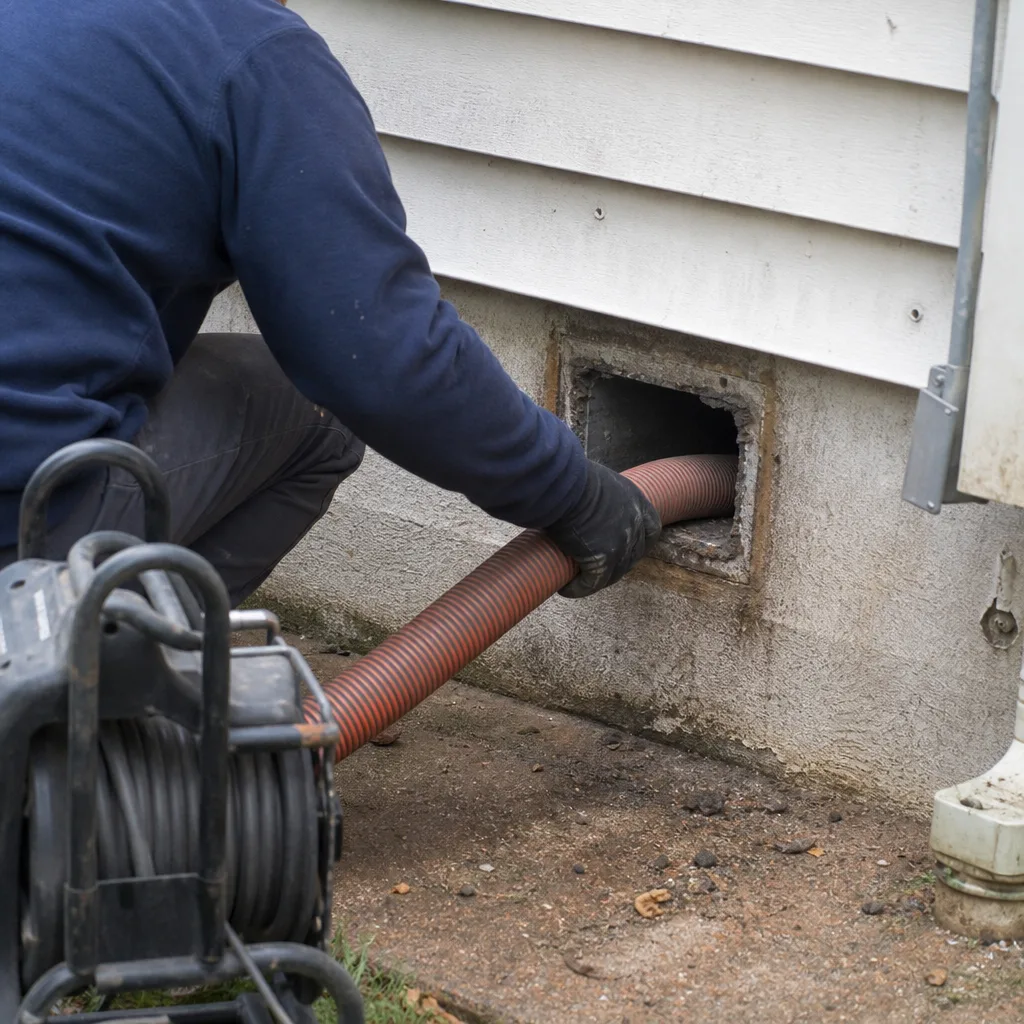 Before
 After
After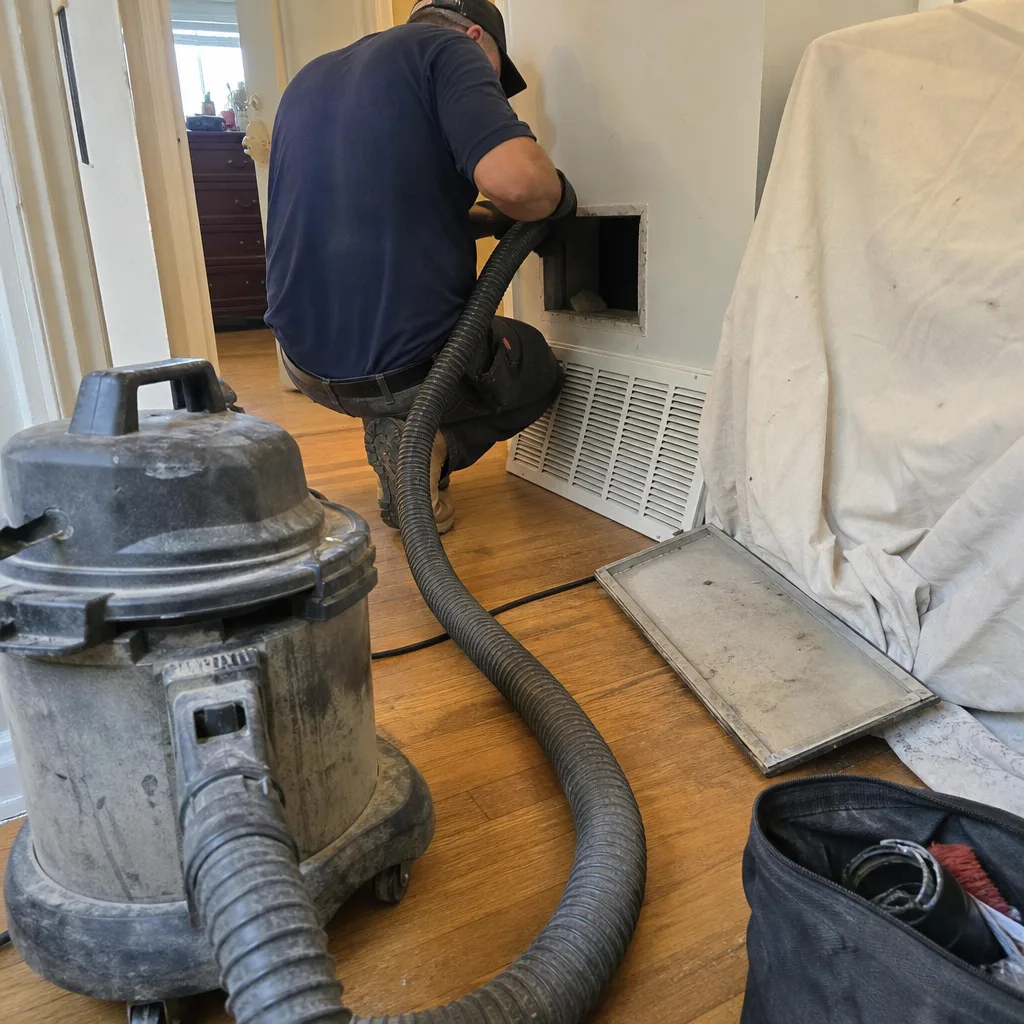 Before
 After
After