
Last updated October 15, 2026
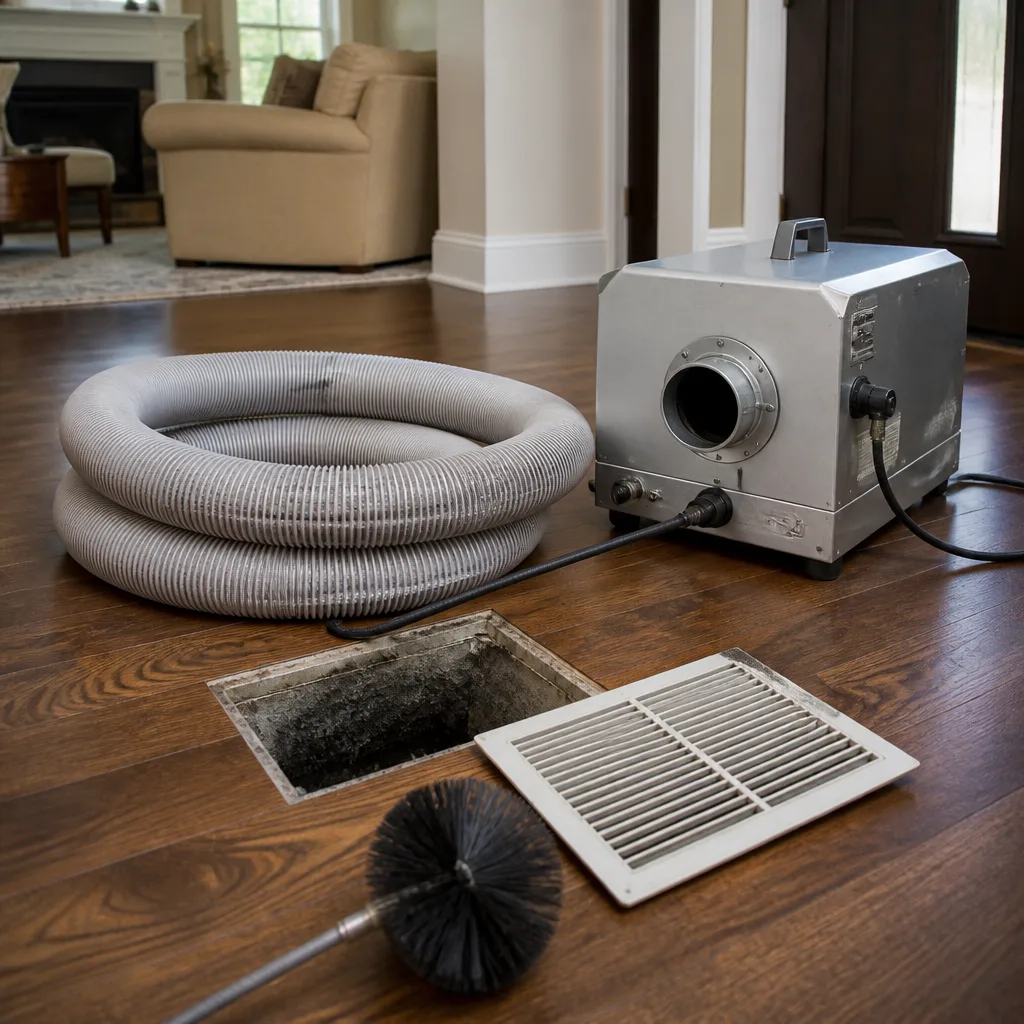 Whole-home duct cleaning
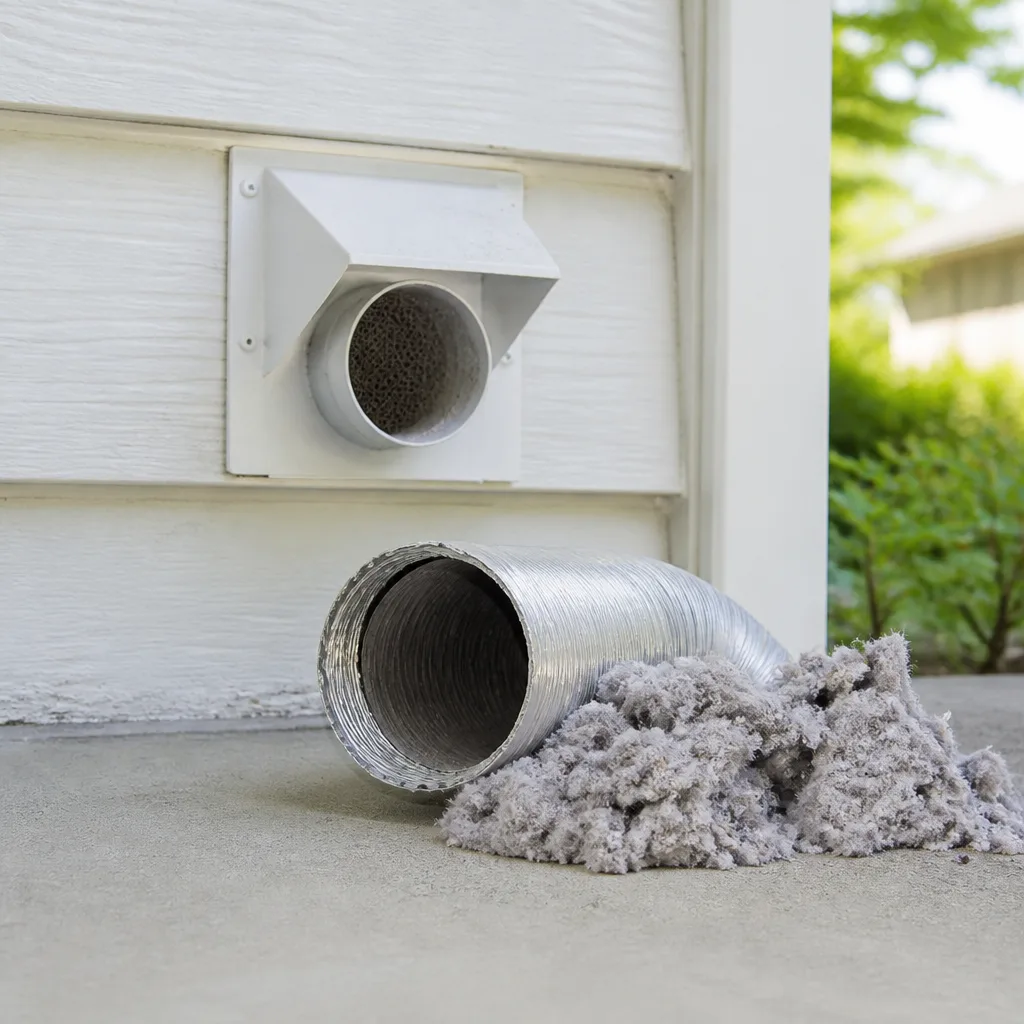 Dryer vent cleaning
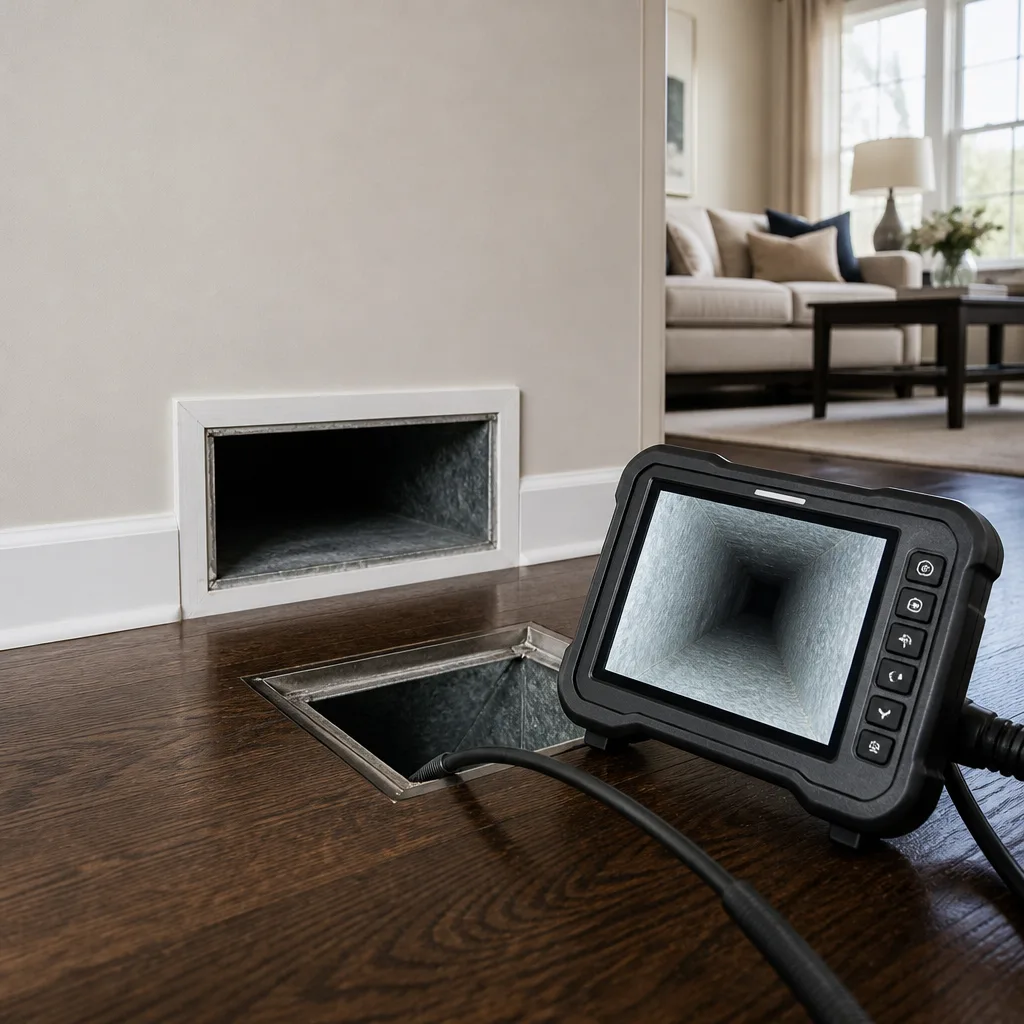 Camera inspection
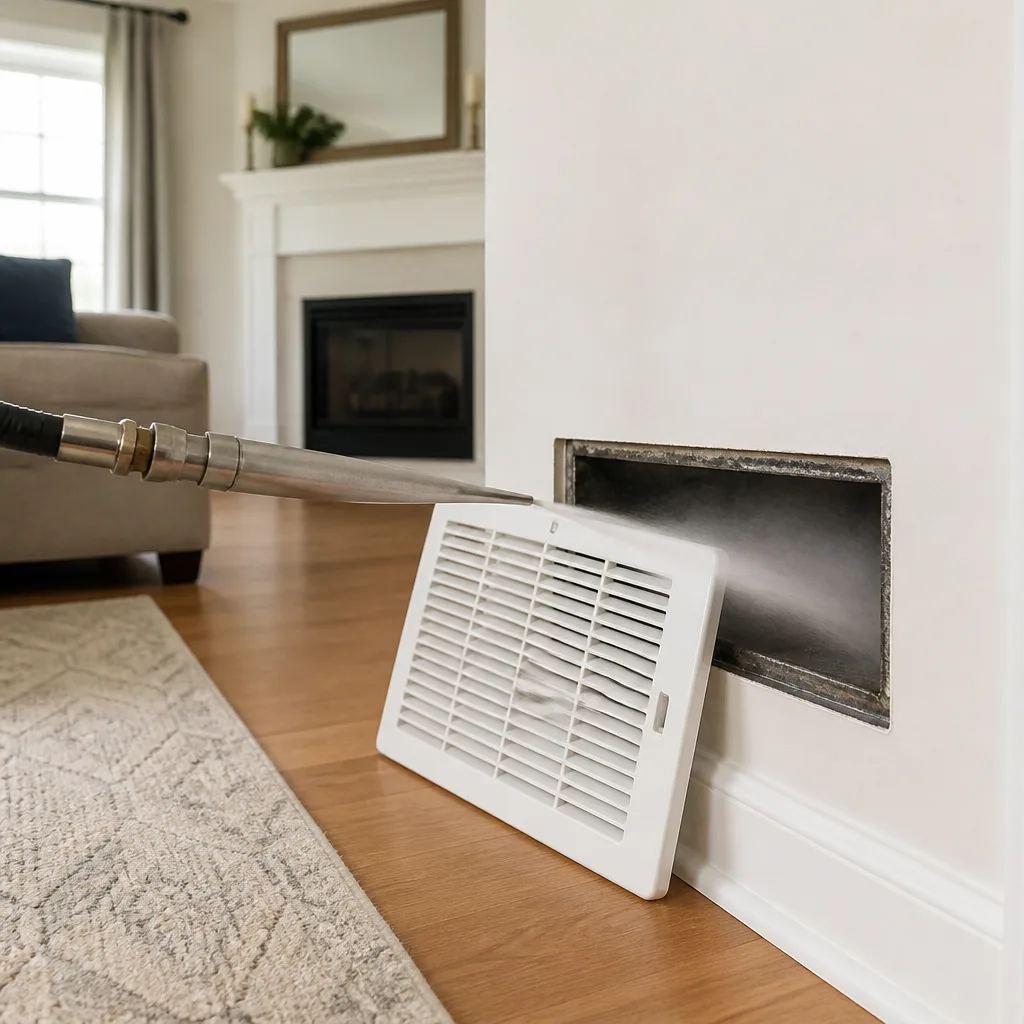 Sanitizing & deodorizing
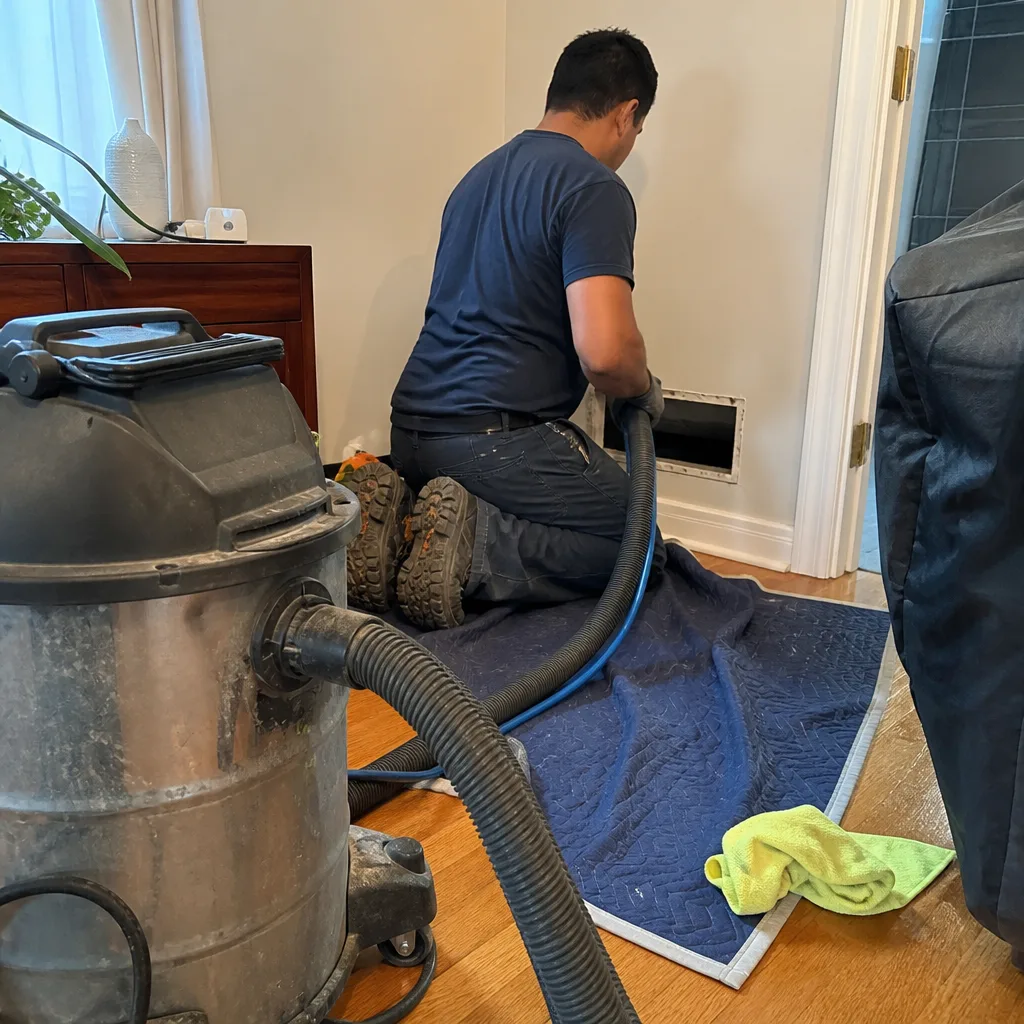
Whole-system duct and dryer vent check with before-and-after photos - you see exactly what came out of your vents
That "$99 whole-house special" is a bait ad - the real number appears once they are in your hallway, or the "clean" is a shop-vac at the register. We photograph the inside of your ducts before and after instead.
Air Duct Cleaning Cost Breakdown: The Queens Homeowner’s Reference for 2026
Two homeowners in Forest Hills live in nearly identical prewar co-ops. Same square footage, same number of rooms, same duct layout. One gets quoted $180 for a full air duct cleaning. The other gets quoted $650. Both companies insist they’re doing “a complete job.” At least one of them is lying, and here’s what surprises most people: it is not automatically the $650 one. The number alone tells you nothing. What matters, and what this guide will walk through in detail, is the scope of work attached to that number. By the time you finish reading, you’ll know exactly what drives legitimate pricing in Queens, what you’re actually buying at each price tier, and how to get a quote you can compare line by line. And you’ll understand why two identical apartments can honestly produce two very different numbers. For a deeper dive, see our Air Duct Cleaning Maintenance Checklist for Queens Homeowners.
Quick Answer
Air duct cleaning in Queens typically costs between $300 and $500 for a standard single-family home or apartment with 10 to 15 vents, including full negative-pressure extraction of supply and return ducts, registers, and the main trunk line. Quotes below $200 almost always cover a partial job, often just vacuuming visible vents, while quotes above $700 should include add-ons like sanitizing, dryer vent cleaning, or difficult-access work in older buildings. The honest price for your specific home depends on vent count, duct length, access difficulty, and what exactly is included, and the only way to get a real number is to ask the scope questions in Section 5 of this guide. For a free, written estimate in Queens, call Linden Air Duct Queens at (845) 237-0925.
Styles & brands we work with
Table of Contents
- What Actually Drives the Cost of Air Duct Cleaning
- The Four Price Tiers: What You’re Really Buying
- Why Queens Homes Cost What They Cost
- Add-Ons Worth Paying For vs. Upsells to Skip
- How to Get a Quote You Can Actually Compare
- What a Written Guarantee Is Worth in Real Dollars
- Common Mistakes to Avoid
- When to Call a Professional
- Frequently Asked Questions
What Actually Drives the Cost of Air Duct Cleaning
You can’t make a smart decision about Air Duct Cleaning services until you understand what the work actually involves. A legitimate air duct cleaning is not a person waving a vacuum hose near your vents for twenty minutes. It is a systematic process, and every step costs time and equipment. Here is the line-item breakdown of what a real job includes, and what each part costs to do properly.
The Real Cost Drivers
- Number of vents and returns: A studio in Astoria may have 6 to 8 vents. A detached house in Bayside or Douglaston may have 20 or more, including multiple returns. Each vent must be accessed, sealed, agitated, and extracted. More vents means more technician time, and time is the single biggest cost driver.
- Linear footage of ductwork: The length of duct running through walls, floors, and ceilings directly affects how long the job takes. A single-story co-op with short runs may have 40 to 60 linear feet of duct. A three-story house in Kew Gardens may have 200 feet or more. Every section must be reached with agitation tools and connected to negative pressure.
- Equipment type: Truck-mounted extraction systems, like those from Rotobrush, generate far more suction than portable units. Portables do not create strong enough negative pressure to pull debris from deep inside long duct runs. Truck-mounted equipment can only be used where a vehicle can park close enough to run hoses, which in dense Queens neighborhoods sometimes means a longer setup.
- Access difficulty: In attached brick homes, row houses, and prewar co-ops across Queens, duct access panels are often behind sheetrock, inside closets, or in finished basements. Cutting clean access points and resealing them takes time and skill. Some older buildings have ducts wrapped in asbestos-containing insulation, which requires a different protocol entirely and must be tested before work begins.
- Technician time and headcount: A proper cleaning of a medium home takes two technicians three to five hours. At legitimate labor rates for insured, background-checked professionals in the New York metro area, that labor alone accounts for $300 to $450 of your quote before any equipment or materials.
- Duct material and age: Prewar buildings in neighborhoods like Jackson Heights and Sunnyside often have metal ducts with decades of caked-on debris. Galvanized steel cleans well but requires more aggressive agitation. Flexible duct, common in newer conversions, tears easily and needs gentler tools and more patience.
When a company quotes you $99 for all of this, they are not losing money. They are not doing all of this. They are doing something else, and Section 2 explains exactly what.
The Four Price Tiers: What You’re Really Buying
After more than two decades of cleaning ducts in Queens, we have seen every pricing structure in this industry. They fall into four clear tiers. Each one represents a different job, and knowing the difference is the entire ballgame.
Tier 1: $99 to $200 – The Entry Quote
This is the number you see on postcards and Facebook ads. It is not a scam in every case, but it is never a full duct cleaning. In this tier, a technician (often one person) arrives with a portable vacuum and agitates the first few feet of the visible vents. The trunk line, the returns, and any duct beyond arm’s reach are left untouched. The job takes 45 to 90 minutes.
What you’re actually buying here is a vent vacuuming, not an air duct cleaning. It may remove some loose dust from the registers and make the first few inches of duct look cleaner. It will not address the bulk of debris that sits deeper in the system. This tier exists because it gets a technician into your home, at which point the real invoice gets built. We are not saying every company at this price is dishonest. We are saying the price is not attached to the full scope of work, even when the company says it is.
Tier 2: $300 to $500 – The Honest Standard
This is what a legitimate, complete air duct cleaning costs for most homes and apartments in Queens. At this price, two technicians arrive with either a truck-mounted unit or a high-powered portable Nikro system, seal each register, cut access points as needed, agitate the full length of every supply and return duct, and run negative-pressure extraction throughout. The job takes three to five hours. You receive before-and-after photos of your own ducts, not stock images. The price includes a written scope of work and, if it is a company like ours, a written guarantee. This section should be your mental baseline when comparing any quote.
Tier 3: $600 to $900+ – The Complete Job With Add-Ons
This tier is legitimate, and in older or larger Queens homes it is often the right price. What separates it from Tier 2 is not better cleaning technique; it is scope. You are usually paying for additional services like whole-system sanitizing with an EPA-registered antimicrobial, dryer vent cleaning, Honeywell media filter installation, or extensive access… work in difficult buildings. In a large detached home with 25 vents, a finished basement ceiling, and a rooftop unit, $800 is a fair price for a real job. The key is that a company quoting this number should be able to itemize exactly why, and the itemization should match the conditions in your specific home.
Tier 4: $900 and Up – Specialized Scope or Red Flags
Above $900, you are either dealing with a large or unusually complex system, or you are being sold a scare story. Legitimate reasons to exceed $900 include: multiple HVAC systems, ducts in concrete slabs, mold remediation that requires a separate licensed contractor, or extensive access cutting in finished spaces. Illegitimate reasons include “emergency” surcharges, pressure to add on “hospital-grade” sanitizing with no explanation of the active ingredients, and quotes that jump once the technician arrives. If you are quoted over $900, the right response is to ask for a written, itemized breakdown, and to call a second company to compare the scope line by line.
Why Queens Homes Cost What They Cost
Queens is not a generic market. The borough’s housing stock ranges from 1920s brick co-ops in Sunnyside to mid-century detached homes in Bayside to brand-new condo towers in Long Island City. Each type of building has its own cost realities, and a quote that fails to account for them is a quote that is guessing.
- Prewar buildings and older duct materials: In neighborhoods like Jackson Heights, Elmhurst, and Ridgewood, many buildings still have their original galvanized steel ducts. These clean well but hold decades of accumulated debris, and the access panels are often painted shut or covered by multiple layers of renovations. Working in these buildings takes longer, and longer work costs more.
- Attached and row houses: In neighborhoods like Woodhaven, Ozone Park, and Maspeth, attached homes often share party walls, which limits where access points can be cut. Technicians sometimes have to run hoses through windows or up stairwells, which adds setup time.
- Basement and crawl space access: Homes in Hollis, Queens Village, and Cambria Heights frequently have ducts running through crawl spaces or low-clearance basements. Accessing these requires more labor, more lighting, and sometimes additional crew members.
- Rooftop and window HVAC units: Many post-war buildings in Forest Hills and Rego Park use through-wall or rooftop units with short, direct duct runs. These systems are simpler and can cost less to clean, but the trade-off is that filtration is often minimal.
- Local climate and debris profile: Queens summers are humid, and winters bring road salt and dust. The combination means ducts in Queens tend to collect a heavier, greasier particulate load than ducts in drier climates. This affects how aggressively the system needs to be agitated and how long extraction must run.
Our point is not that Queens is uniquely difficult. It is that a real quote accounts for your specific building. If a company quotes you without asking about your building’s age, access type, or vent count, the number is not based on your home.
Add-Ons Worth Paying For vs. Upsells to Skip
Once you have a base price for the cleaning itself, most companies will present add-on services. Some of these are genuinely valuable. Some are profit padding. Here is how to tell the difference.
Add-Ons That Are Usually Worth the Money
- Dryer vent cleaning: Lint accumulation in dryer vents is a real fire risk, and it is a completely different system from your HVAC ducts. If a company offers to include dryer vent cleaning in Queens for an additional $50 to $100, that is a fair price for a separate, necessary service.
- Whole-system sanitizing: If your ducts have visible mold growth, or if someone in the home has severe allergies, applying an EPA-registered antimicrobial from a manufacturer like Guardsman can be worthwhile. It should add $75 to $150 for a typical home. It is not a substitute for cleaning; it is a supplement.
- Media filter upgrades: If your system takes a basic 1-inch fiberglass filter, upgrading to a high-efficiency Aprilaire media filter can meaningfully improve air quality. Installation is simple, and the parts cost is fair at $50 to $100 installed.
- Access panel installation: If your ducts lack proper access points, paying a technician to cut and install a clean, sealed access panel is an investment in future cleanings. It should cost $50 to $100 per panel. This is honest work.
Upsells to Question Hard
- “Anti-allergen” treatments with no active ingredient listed: Any legitimate sanitizing product has an EPA registration number. Ask for it. If the company can’t tell you what they’re spraying, do not pay for it.
- Duct sealing with no measurement: Aeroseal and similar duct-sealing systems are real, but the price is $1,500 to $3,000, and a legitimate contractor will first run a leakage test to show you numbers. If someone offers “duct sealing” for $200 as an add-on to a cleaning, it is not duct sealing.
- Mold testing that leads to mold remediation: If a company “finds” mold during a cleaning and then offers to remediate it, be very skeptical. Mold assessment should be done by an independent third party, not the company selling the remediation. If you suspect mold, get an independent test first.
- Annual plans sold on the spot: A maintenance plan can be legitimate, but you should never feel pressure to sign up during the first visit. Our own recommendation is that most Queens homes benefit from air duct cleaning in Queens every 3 to 5 years, not annually.
How to Get a Quote You Can Actually Compare
The single most useful thing you can do is to force every company to quote the same job. Most quotes are impossible to compare because they describe different scopes. Here is a framework that works, and it is what we recommend every Queens homeowner use when speaking to any duct cleaning company.
The Five Questions to Ask Every Company
- How many vents and returns does this quote include? The answer should be a specific number, arrived at after asking about your home. If the quote does not specify a vent count, it is not a real quote.
- Does the price include the main trunk line and all branch ducts, or just the visible vents? This is the question that separates Tier 1 from Tier 2. A company that hesitates or answers vaguely is telling you something.
- What equipment are you using, and how do you reach the full length of the duct? A real company can name their equipment brand and describe their agitation method. If the answer is “we have professional equipment,” that is not an answer.
- How long will the job take, and how many technicians are coming? A full cleaning of a medium home takes two technicians three to five hours. If a company says one person will be done in an hour, the scope is not the same, regardless of what the price is.
- What exactly does the written guarantee cover, and for how long? Every legitimate company should be able to describe their guarantee in one or two sentences. If there is no written guarantee, the price has no protection behind it.
We tell people to write these answers down and compare them side by side. A $400 quote that specifies 14 vents, full trunk-line agitation, two technicians, a four-hour job, and a written 365-day guarantee is not the same product as a $150 quote that specifies nothing at all. They are different jobs.
What a Written Guarantee Is Worth in Real Dollars
Here is a counterintuitive way to think about price. A $500 duct cleaning with a written 365-day guarantee can cost you less than a $250 cleaning with no guarantee at all, if the $250 job leaves half the debris in your ducts and you have to pay someone else to redo it.
Our company operates on what we call the Threshold Standard. Every job receives a written price before work begins, and every repair is covered by a written guarantee. If a covered repair fails, we come back at no charge. That is not a marketing promise; it is what we put in writing on every job. The dollar value of that guarantee is simple: if the work is not done right, you pay nothing additional to have it made right. The alternative, a cheap job with no accountability, has a hidden cost: you pay twice.
Think about it this way. A $250 job with no guarantee has a 100% chance of costing you $250, and an unknown chance of costing you another $250 to $500 if the work is incomplete. A $500 job with a 365-day written guarantee has a known maximum cost: $500. The price difference is not what it appears to be once you account for the risk. In our experience, most Queens homeowners would rather pay a known price for a known outcome than a low price for an unknown one.
Common Mistakes to Avoid
- Choosing based on the lowest quote without comparing scope. The $99 quote is not a discount on the $400 job. It is a different job. Compare the scope first, the price second.
- Paying before seeing the work. A legitimate company does a walkthrough, confirms scope, and puts the price in writing. If you are asked to pay the full amount before the technician has even looked at your system, walk away.
- Believing that newer ducts don’t need cleaning. New construction in Queens leaves drywall dust, sawdust, and debris inside brand-new ducts. A new home can need its first cleaning sooner than an old one.
- Accepting “sanitizing” without knowing what is being applied. Any legitimate product has an EPA registration number. Ask for it. If you are getting a vague answer, you are getting an upsell.
- Using a company that cannot prove who is coming to your door. In Queens, you are inviting a stranger into your home. A real company tells you the technician’s name and sends a photo before the visit, and the tech shows a photo ID badge at the door. If a company will not do this, choose a different company.
- Waiting until you can smell something. By the time ducts smell bad, the buildup is extreme. Regular inspection every few years is cheaper than a full remediation later.
- Using a company with no local presence. A company that cannot tell you the name of your neighborhood, or that books from a call center in another state, is not accountable to Queens. You want a company that knows what a prewar co-op in Sunnyside looks like inside the walls.
When to Call a Professional
You should call a professional when you see visible dust blowing from your vents when the system turns on, when rooms in your home stay dusty no matter how often you clean, when your energy bills rise without explanation, or when someone in the home has unexplained allergy symptoms that improve away from home. You should also call after any major renovation – drywall dust and construction debris inside ducts is a real problem in Queens, where renovations are constant. And if you have never had your ducts cleaned and you have lived in the home for more than five years, it is time for an inspection at minimum. Air duct repair in Queens is often only discovered as a need during a cleaning, when technicians find disconnected sections, crushed flex duct, or gaps at the joints. If you suspect any of these conditions, or if you simply want a real written estimate based on your actual home, Linden Air Duct Queens offers free estimates in Queens – call (845) 237-0925.
Frequently Asked Questions
Air duct cleaning in Queens costs between $300 and $500 for a standard home or apartment with 10 to 15 vents, with larger homes and those with difficult access running $600 to $900. Quotes below $200 are almost always partial jobs. Call (845) 237-0925 for a free, written estimate based on your specific home.
The cheaper quotes are usually attached to a smaller scope of work, such as vacuuming only the visible vents without touching the trunk line or returns. Two quotes at different prices are often for two completely different jobs. The only way to compare them is to ask the five scope questions outlined in Section 5.
A legitimate company provides before-and-after photos of your own ducts, not someone else’s, and shows you the debris collected from your system. At Linden Air Duct Queens, the technician walks you through the work and shows you exactly what was removed. You should never have to trust that the work was done. You should be able to see it.
For most Queens homes, every 3 to 5 years is sufficient. Homes with pets, recent renovations, smokers, or residents with allergies may benefit from more frequent cleanings every 2 to 3 years. No home needs quarterly or annual duct cleaning.
Yes, and in fact new construction and recent renovations are among the strongest reasons to have ducts cleaned. Drywall dust, sawdust, and construction debris are regularly left inside brand-new duct systems in Queens. A cleaning after construction is one of the few times where the payoff is immediate and visible.
Yes, the technician needs to access every vent and return inside your home. This is why Linden Air Duct Queens sends the technician’s name and photo before the visit, and why the tech shows a photo ID badge at your door. Every technician is background-checked and identity-verified. You should know exactly who is at your door.
The Bottom Line
The price of air duct cleaning in Queens is not a mystery, and it is not random. It is a direct reflection of scope: how many vents, how much duct, how difficult the access, and what exactly is included. The $99 quote and the $400 quote are not competitors offering different prices for the same job. They are different jobs. The right question is not “what does air duct cleaning cost?” (We cover that and more in our more guides & resources.) It is “what am I getting for this specific number, in my specific home, in writing?” That is the question that separates a bad deal from a good one. Ask the five scope questions. Get the details in writing. Choose the company that tells you who is coming, what they will do, and what happens if the work falls short. If you want that conversation in Queens, call (845) 237-0925 for a free estimate from Linden Air Duct Queens.
Written by Marcus Veale, Owner at Linden Air Duct Queens, serving Queens since 2004.
See the difference
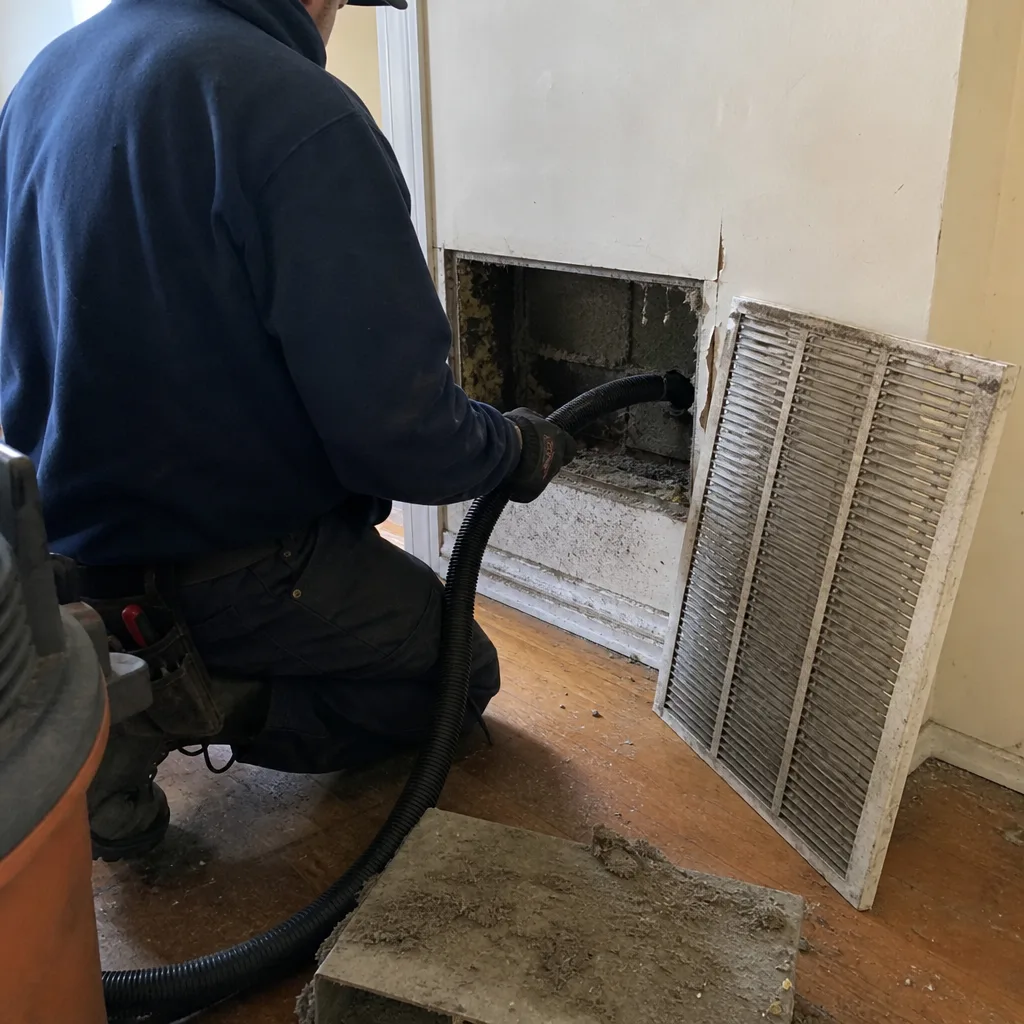 Before
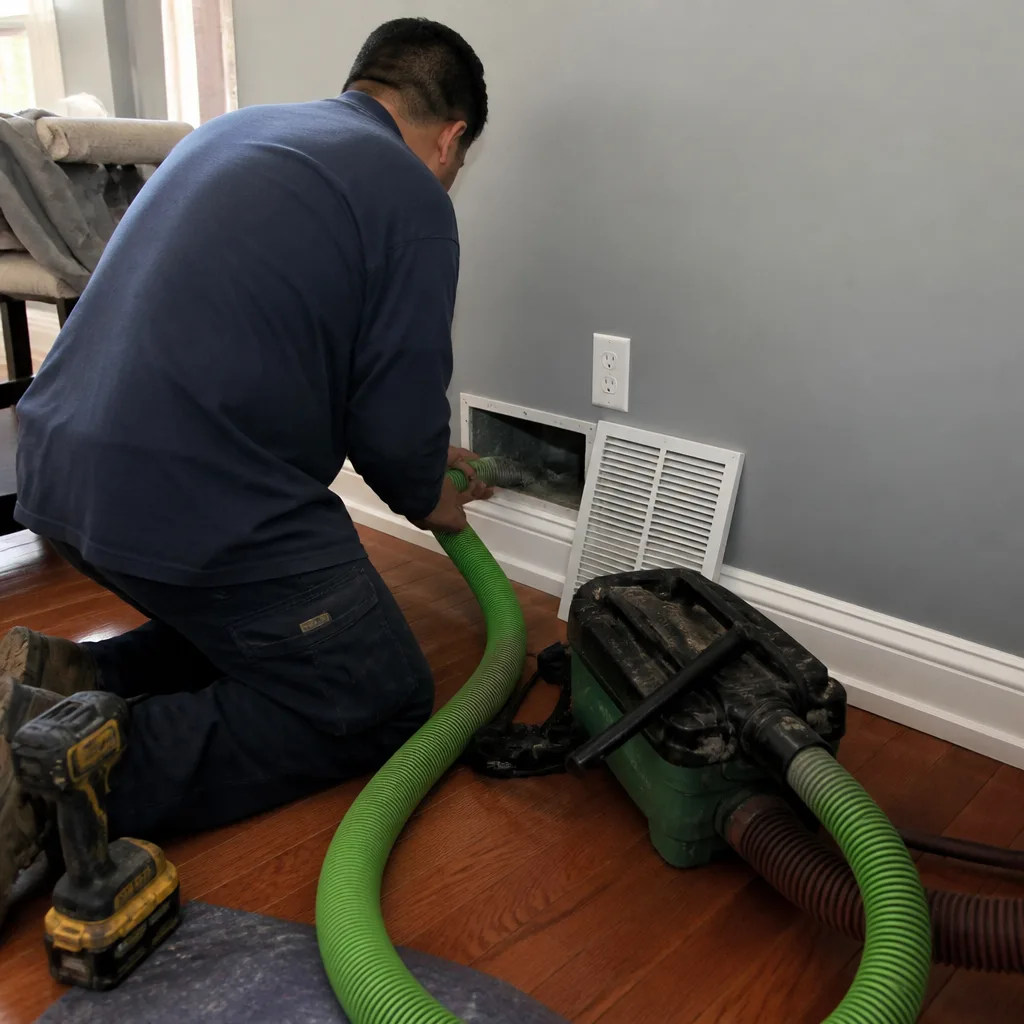 After
After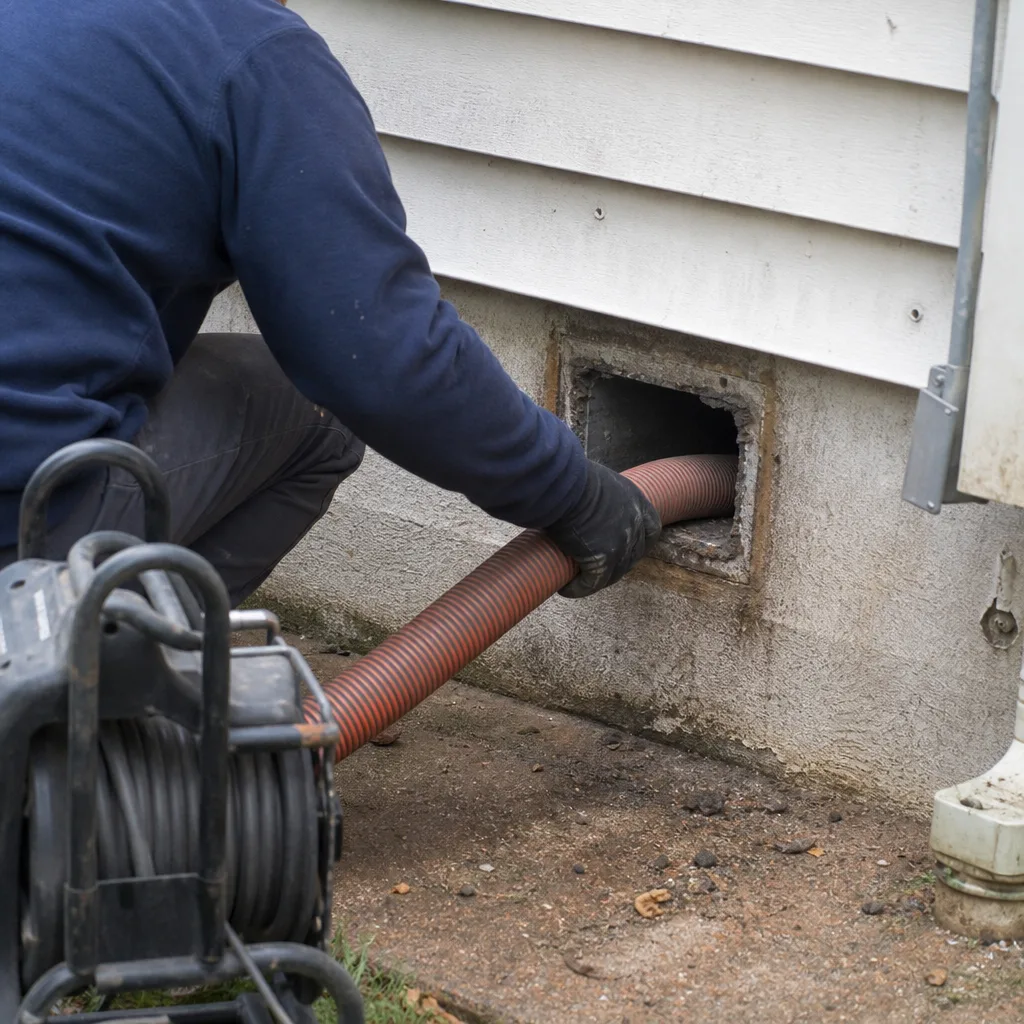 Before
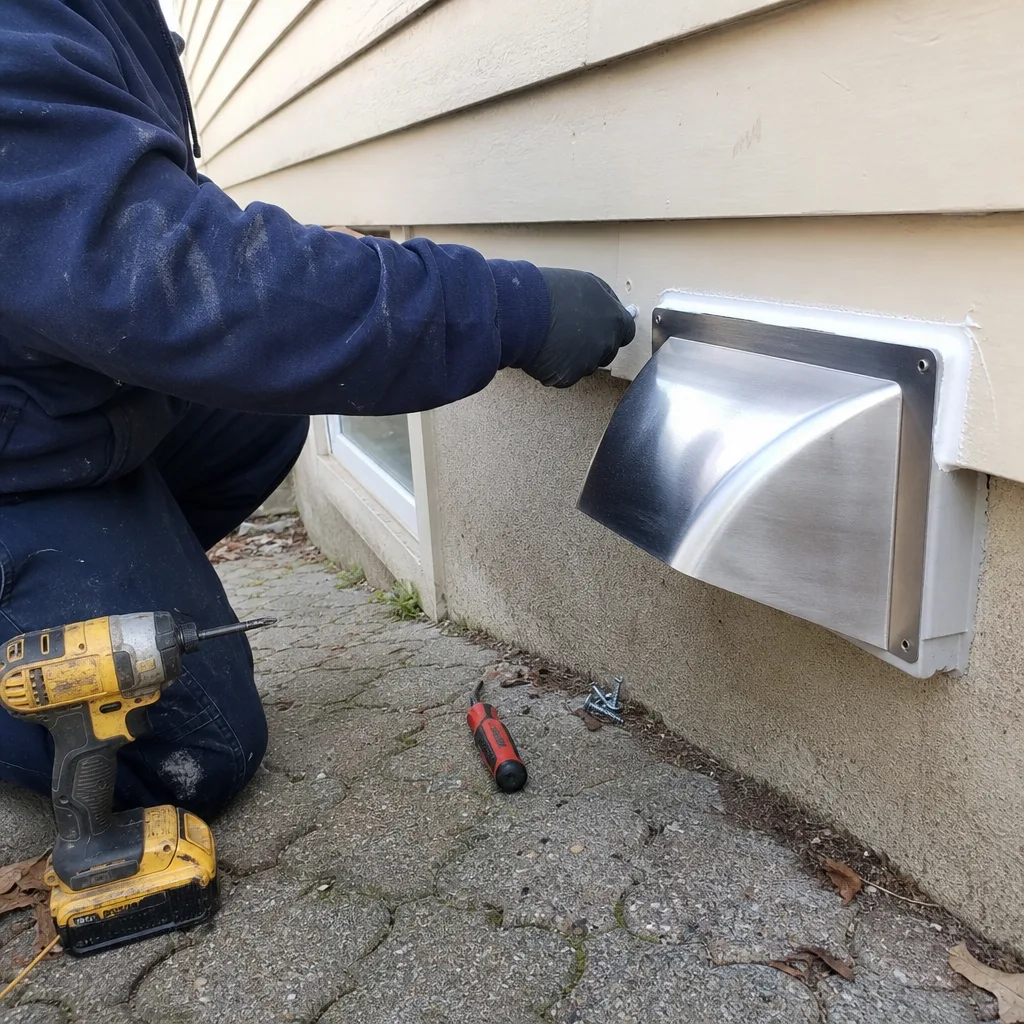 After
After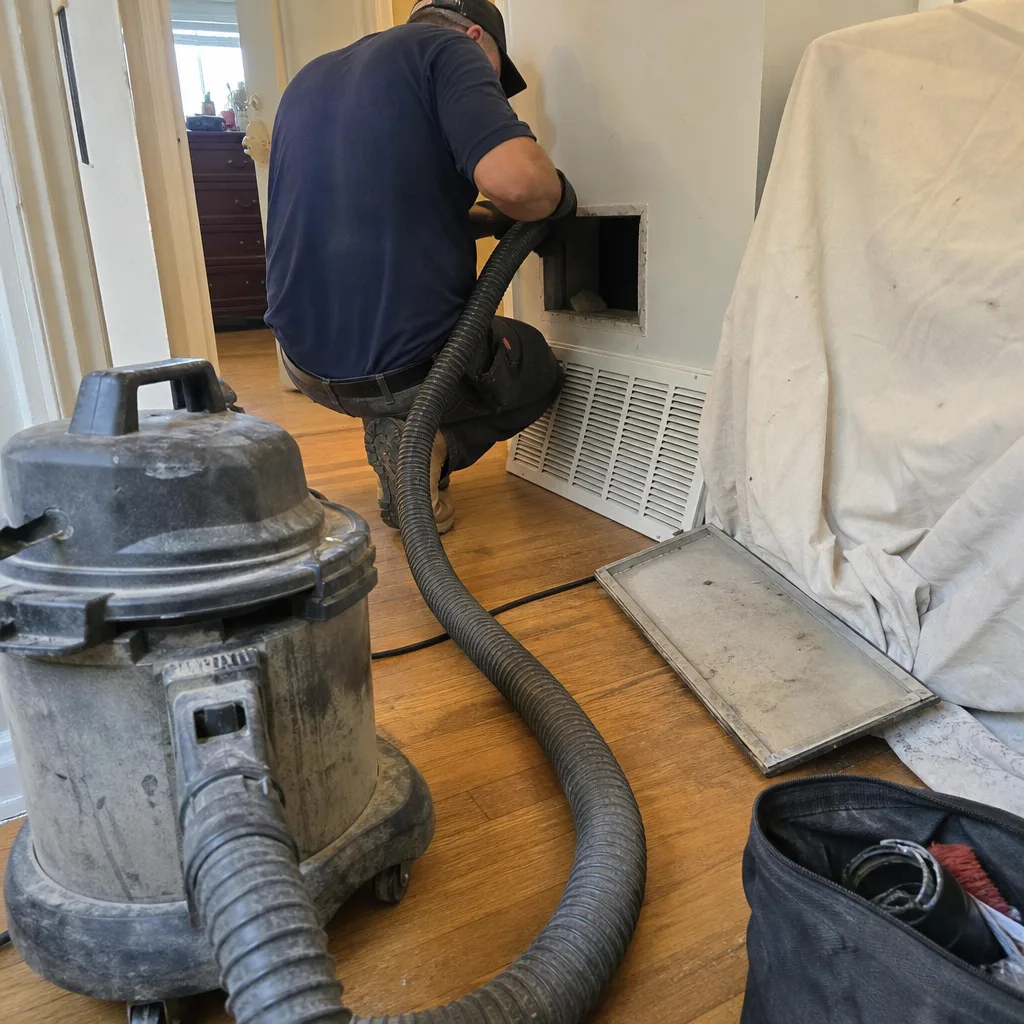 Before
 After
After